DDR4 Prices Could Jump 50% in Q3
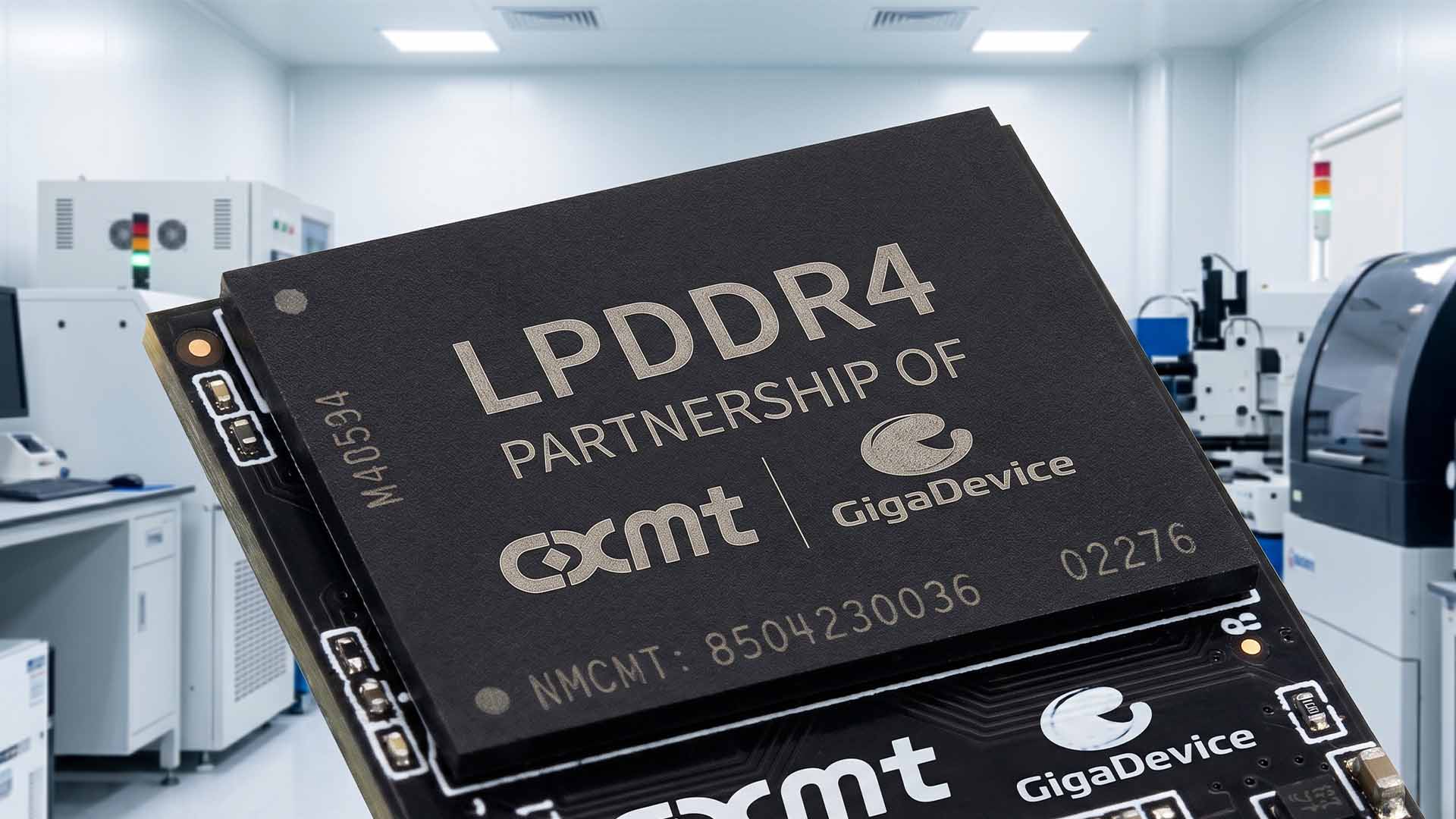
💡A 50% DDR4 jump could reshape the budget for legacy AI servers and inference clusters.
⚡ 30-Second TL;DR
What Changed
Morgan Stanley forecasts a potential 50% DDR4 price increase in the third quarter.
Why It Matters
Rising DDR4 prices could increase the cost of legacy AI servers, workstation upgrades, and on-premises inference clusters. Teams maintaining older hardware may need to choose between early component purchases, capacity reductions, or platform migration.
What To Do Next
Inventory your DDR4-based inference servers and use the Dell or HPE configurator to price immediate memory upgrades before the projected third-quarter increase.
Key Points
- •Morgan Stanley forecasts a potential 50% DDR4 price increase in the third quarter.
- •Memory makers are shifting wafer capacity toward HBM, DDR5, and higher-layer NAND.
- •Mature-process DRAM and NAND components are facing increasingly constrained supply.
🧠 Deep Insight
AI-generated analysis for this event.
🔑 Enhanced Key Takeaways
- •The shift in wafer allocation is primarily driven by the explosive demand for High Bandwidth Memory (HBM3E/HBM4) required for AI accelerators like NVIDIA's Blackwell and Rubin architectures.
- •Legacy DRAM nodes (20nm and older) are experiencing the most significant supply contraction as manufacturers prioritize high-margin DDR5 and LPDDR5X production.
- •Industrial and automotive sectors, which rely heavily on DDR4 for long-lifecycle products, are expected to face the most severe procurement challenges due to this supply pivot.
- •Memory manufacturers are increasingly utilizing 'node migration' strategies, converting existing DDR4 production lines to support higher-density DDR5 or NAND flash to maximize revenue per wafer.
- •Spot market prices for DDR4 have already shown volatility in early Q3 2026, signaling that the supply-demand imbalance is impacting both contract and open-market pricing.
🛠️ Technical Deep Dive
- DDR4 utilizes a 16nm to 25nm process node, whereas HBM and advanced DDR5 are transitioning to 10nm-class (1a, 1b, 1c) processes.
- Wafer capacity is a zero-sum game; a single wafer can produce significantly more bits of HBM or high-density DDR5 than DDR4, incentivizing manufacturers to abandon legacy production.
- The transition involves retooling lithography equipment, which makes it economically unfeasible to revert capacity back to DDR4 once a line has been converted to advanced nodes.
🔮 Future ImplicationsAI analysis grounded in cited sources
⏳ Timeline
Weekly AI Recap
Read this week's curated digest of top AI events →
👉Related Updates

AI-curated news aggregator. All content rights belong to original publishers.
Original source: cnBeta (Full RSS) ↗