Windows 11 PCs Face Another Price Hike
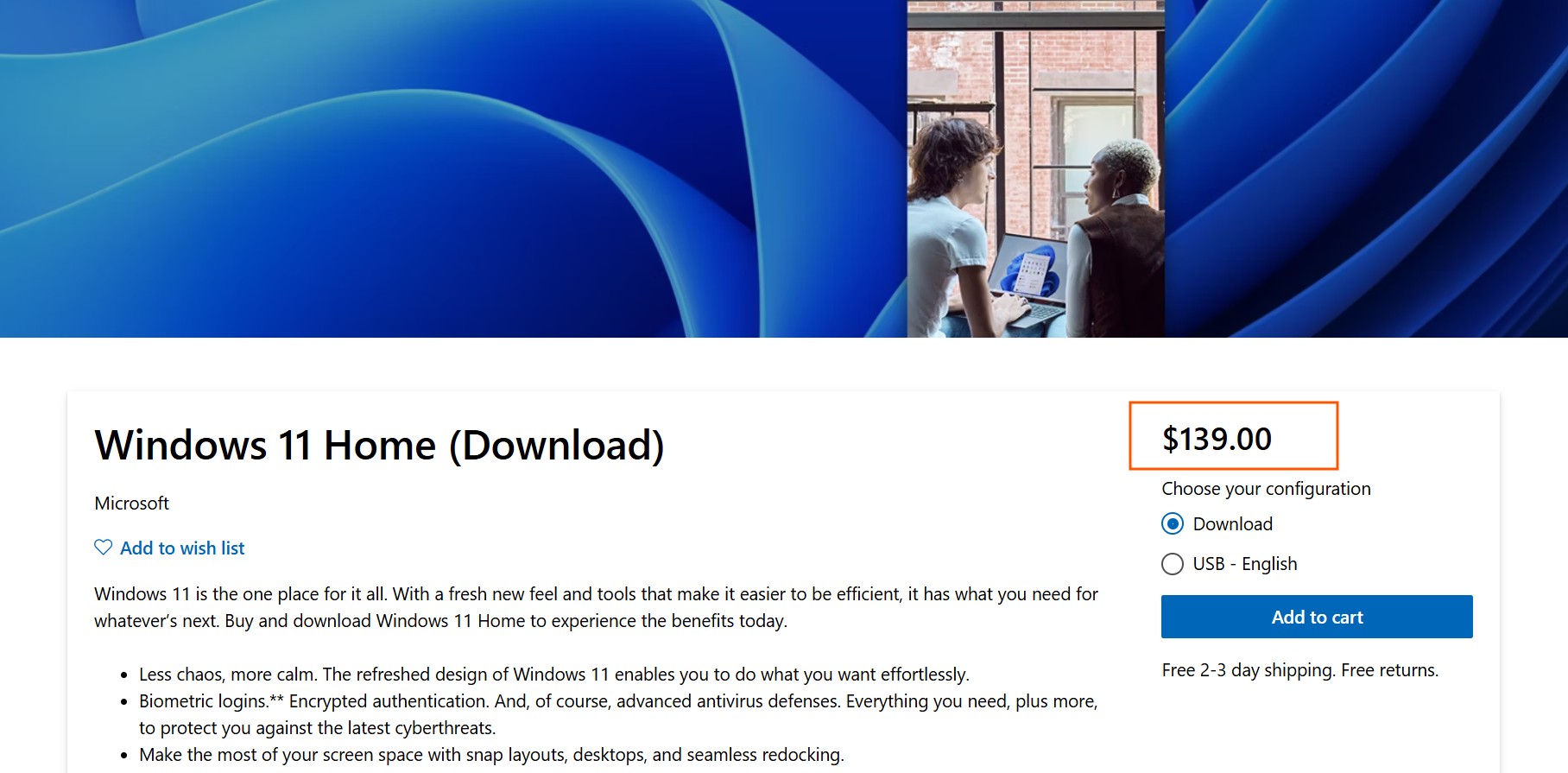
💡Rising Windows 11 licensing and hardware costs could reshape local AI workstation budgets.
⚡ 30-Second TL;DR
What Changed
Microsoft is reportedly raising operating system licensing costs for PC manufacturers.
Why It Matters
Higher workstation costs could affect teams building on-premises AI development or inference setups. Organizations may need to extend hardware lifecycles or compare Windows licensing costs with Linux-based deployments.
What To Do Next
When budgeting new AI workstations, request updated Windows 11 OEM licensing quotes and compare them with Linux deployment costs.
Key Points
- •Microsoft is reportedly raising operating system licensing costs for PC manufacturers.
- •Memory, SSD, and processor prices are already increasing OEM production costs.
- •Higher component and licensing expenses may make Windows 11 PCs more expensive.
- •The price pressure could encourage Windows 10 users to keep their existing devices longer.
🧠 Deep Insight
AI-generated analysis for this event.
🔑 Enhanced Key Takeaways
- •Microsoft's licensing strategy is increasingly tied to AI-integrated hardware requirements, specifically the NPU performance thresholds mandated for 'Copilot+ PC' branding.
- •The price hike follows a broader industry trend where Microsoft has been phasing out legacy 'Windows 10' OEM volume licensing discounts to accelerate the transition to Windows 11.
- •Supply chain analysts note that the cost of high-bandwidth memory (HBM) and advanced packaging for AI-capable processors has created a bottleneck, compounding the impact of Microsoft's fee adjustments.
- •PC OEMs are reportedly negotiating 'rebate structures' based on pre-installation of Microsoft's proprietary software suite, which may offset some, but not all, of the increased licensing costs.
- •Market data indicates that the average selling price (ASP) of Windows-based laptops has risen by approximately 12% year-over-year as of Q2 2026, driven by both component inflation and software tiering.
📊 Competitor Analysis▸ Show
| Feature/Metric | Windows 11 (OEM) | ChromeOS (Enterprise) | Linux (Distro) |
|---|---|---|---|
| Licensing Model | Per-device OEM Fee | Subscription/Per-device | Free/Open Source |
| AI Integration | Deep (Copilot+) | Cloud-based (Gemini) | Variable/Manual |
| Hardware Cost | High (Premium Specs) | Low (Optimized) | Low (Flexible) |
| Market Focus | General/Enterprise | Education/Cloud | Dev/Server/Niche |
🛠️ Technical Deep Dive
- Windows 11 licensing tiers are now segmented by hardware capability, specifically requiring a minimum of 16GB RAM and 40+ TOPS NPU performance for premium Copilot+ certification.
- The licensing fee structure includes a 'Security Premium' for devices meeting Pluton security processor requirements, which is increasingly mandatory for enterprise-grade OEM builds.
- Microsoft has implemented stricter telemetry and update-service requirements in the latest OEM build images, increasing the storage footprint and background resource overhead for base-level configurations.
🔮 Future ImplicationsAI analysis grounded in cited sources
⏳ Timeline
Weekly AI Recap
Read this week's curated digest of top AI events →
👉Related Updates




AI-curated news aggregator. All content rights belong to original publishers.
Original source: cnBeta (Full RSS) ↗