Why Xbox’s Devastating July Was Inevitable
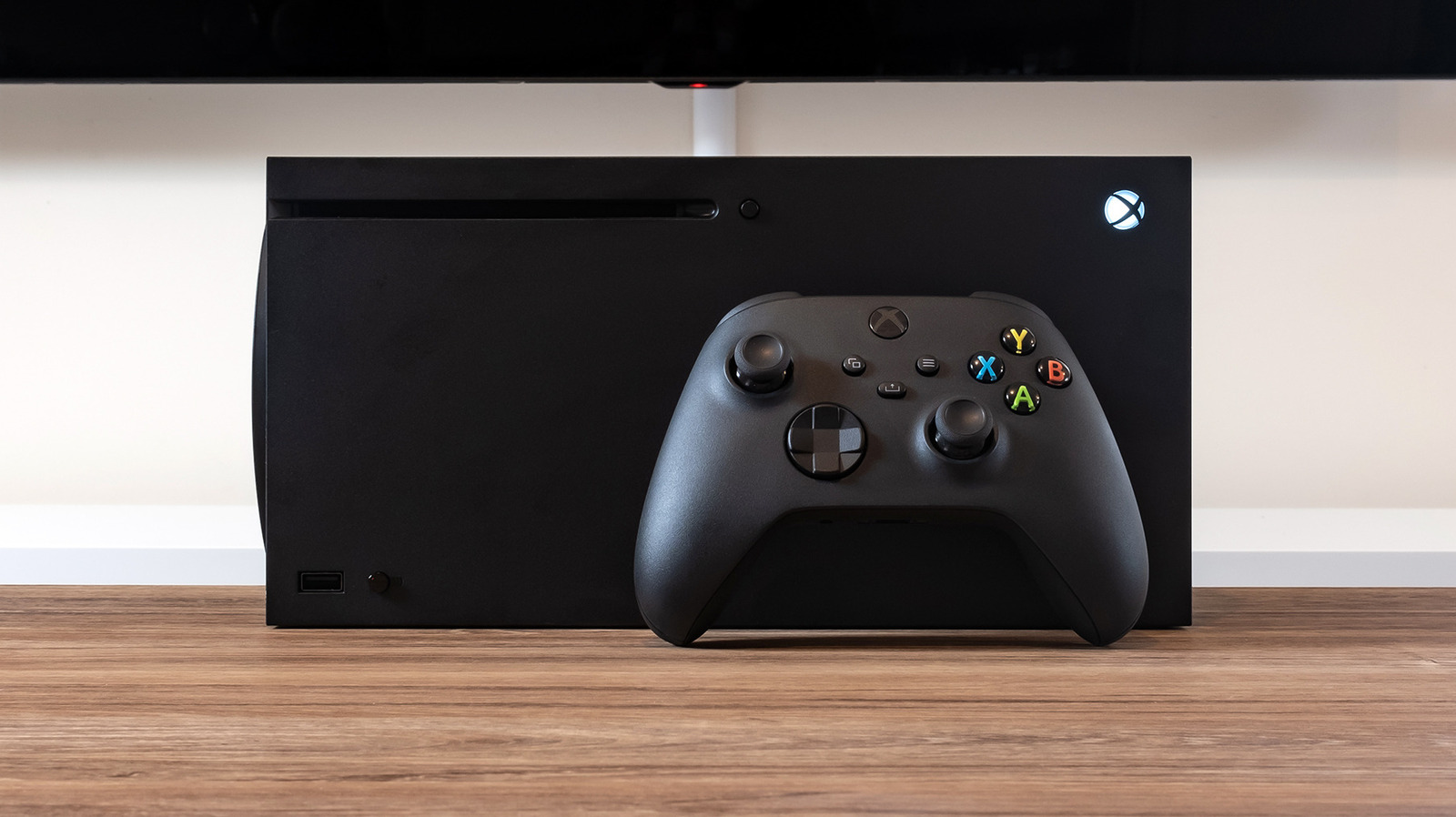
A sharp case study in why platform scale and endless studio ownership can become strategic liabilities.
30-Second TL;DR
What Changed
The article characterizes Xbox’s July as a predictable strategic failure.
Why It Matters
For Microsoft, the argument points to the risks of expanding through studio ownership without a sustainable portfolio strategy. AI practitioners can view it as a broader lesson in managing rapidly expanding technology assets and developer ecosystems.
What To Do Next
Audit your AI product roadmap for dependency on a single platform or ecosystem, and document at least one viable alternative.
Key Points
- •The article characterizes Xbox’s July as a predictable strategic failure.
- •It questions the assumption that Xbox should own every successful independent studio.
- •The commentary highlights the tension between platform scale and sustainable studio ownership.
Deep Insight
AI-generated analysis for this event — not the original article.
Enhanced Key Takeaways
- •Microsoft's July 2026 performance was heavily impacted by the underperformance of major first-party titles and the subsequent restructuring of internal studio leadership teams.
- •The 'inevitability' argument stems from the integration challenges following the $68.7 billion Activision Blizzard acquisition, which created significant cultural and operational friction within Xbox Game Studios.
- •Industry analysts point to a 'content drought' cycle caused by the transition from legacy development pipelines to the massive, multi-studio collaborative models required for AAA live-service games.
- •Xbox's strategy has shifted from aggressive studio acquisition to a focus on 'operational efficiency' and 'portfolio optimization,' signaling a move away from the 'Game Pass at all costs' growth model.
- •Internal reports suggest that Xbox is re-evaluating its multi-platform strategy, considering whether to release more titles on competing hardware sooner to recoup development costs.
Competitor Analysis
- Xbox (Microsoft)
- Multi-platform/Subscription
- PlayStation (Sony)
- First-party Exclusive
- Nintendo
- IP-driven/Hardware-centric
- Xbox (Microsoft)
- Game Pass (High Volume)
- PlayStation (Sony)
- PS Plus (Tiered)
- Nintendo
- Nintendo Switch Online
- Xbox (Microsoft)
- Large-scale Acquisition
- PlayStation (Sony)
- Internal/Partner Focus
- Nintendo
- Internal/Exclusive Focus
| Feature | Xbox (Microsoft) | PlayStation (Sony) | Nintendo |
|---|---|---|---|
| Strategy | Multi-platform/Subscription | First-party Exclusive | IP-driven/Hardware-centric |
| Subscription | Game Pass (High Volume) | PS Plus (Tiered) | Nintendo Switch Online |
| Studio Model | Large-scale Acquisition | Internal/Partner Focus | Internal/Exclusive Focus |
Future ImplicationsAI analysis grounded in cited sources
Timeline
- 2022-01Microsoft announces intent to acquire Activision Blizzard for $68.7 billion.
- 2023-10Microsoft officially closes the Activision Blizzard acquisition after regulatory approval.
- 2024-05Xbox announces the closure of several studios, including Arkane Austin and Tango Gameworks.
- 2026-07Xbox experiences a critical period of negative market reception and internal strategic realignment.
Weekly AI Recap
Read this week's curated digest of top AI events →
Related Updates
AI-curated news aggregator. All content rights belong to original publishers.
Original source: Engadget ↗
This is a summary, not the original. Read the source, or get the weekly briefing.
The weekly digest
One email a week. Unsubscribe anytime.