Why World Cup teams utilize rural US training facilities
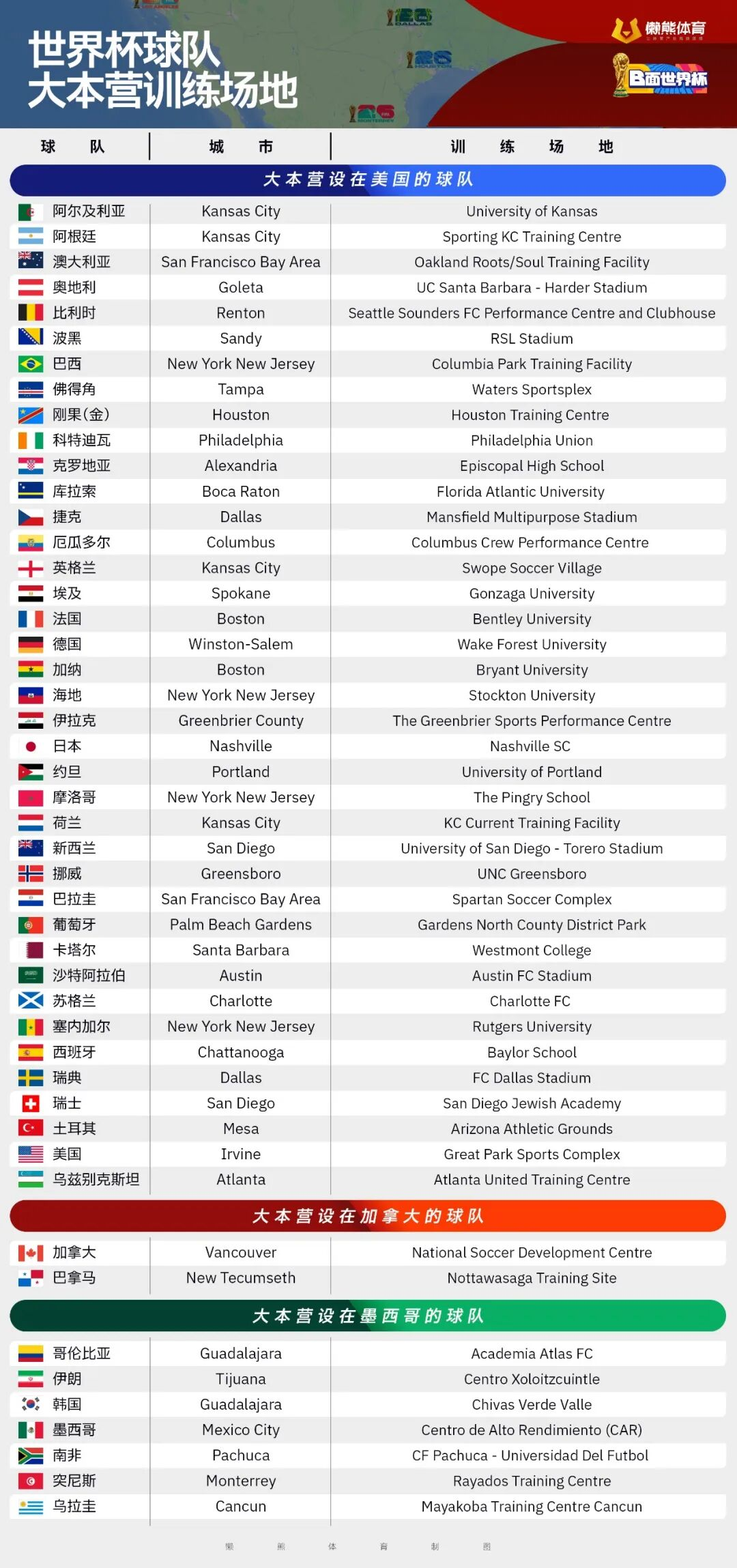
💡Insight into the massive US infrastructure boom; relevant for understanding large-scale resource allocation.
⚡ 30-Second TL;DR
What Changed
US sports infrastructure is highly decentralized, with world-class facilities in small towns.
Why It Matters
The article highlights the massive investment in physical infrastructure for sports, which parallels the infrastructure boom needed for AI data centers and compute clusters.
What To Do Next
Analyze the commercial model of multi-purpose sports facilities to identify potential parallels for shared-resource AI compute infrastructure.
Key Points
- •US sports infrastructure is highly decentralized, with world-class facilities in small towns.
- •Facilities are multi-purpose, serving professional, collegiate, and youth sports simultaneously.
- •The US sports facility market is projected to reach $262 billion by 2034.
- •Teams prioritize proximity and facility quality over proximity to major metropolitan centers.
🧠 Deep Insight
AI-generated analysis for this event — not the original article.
🔑 Enhanced Key Takeaways
- •The 'sports tourism' economic model incentivizes rural municipalities to issue municipal bonds for high-end facility construction, creating a tax base driven by tournament hosting rather than local population density.
- •US rural facilities often feature 'climate-controlled' indoor-outdoor hybrid designs, allowing teams to simulate specific weather conditions (humidity/altitude) required for tournament preparation.
- •Data privacy and security protocols at these private rural complexes are a primary draw for international teams, offering 'closed-campus' environments that prevent scouting and media intrusion.
- •The integration of advanced sports science technology—such as GPS tracking grids and high-speed camera arrays—is now standard in these rural hubs, often exceeding the capabilities of older urban stadiums.
- •Logistical advantages include dedicated private airfield access near rural complexes, which significantly reduces travel time and customs processing compared to major international airport hubs.
🛠️ Technical Deep Dive
- Facility Surface Engineering: Utilization of hybrid Bermuda/Ryegrass systems with sub-surface aeration and heating/cooling loops to maintain consistent pitch density regardless of external climate.
- Data Infrastructure: Implementation of private 6G/Wi-Fi 7 mesh networks across training campuses to support real-time biometric data streaming from wearable sensors to off-site analytics teams.
- Environmental Control: Deployment of automated irrigation and humidity management systems that can be calibrated to match the specific micro-climates of upcoming tournament host cities.
- Security Architecture: Integration of AI-driven perimeter surveillance and drone-detection systems to ensure tactical privacy during closed-door training sessions.
🔮 Future ImplicationsAI analysis grounded in cited sources
⏳ Timeline
Weekly AI Recap
Read this week's curated digest of top AI events →
👉Related Updates


AI-curated news aggregator. All content rights belong to original publishers.
Original source: 虎嗅 ↗
This is a summary, not the original. Read the source, or get the weekly briefing.
Weekly AI briefing
One email a week. Unsubscribe anytime.