What Ray-Ban Meta Glasses Mean for Privacy
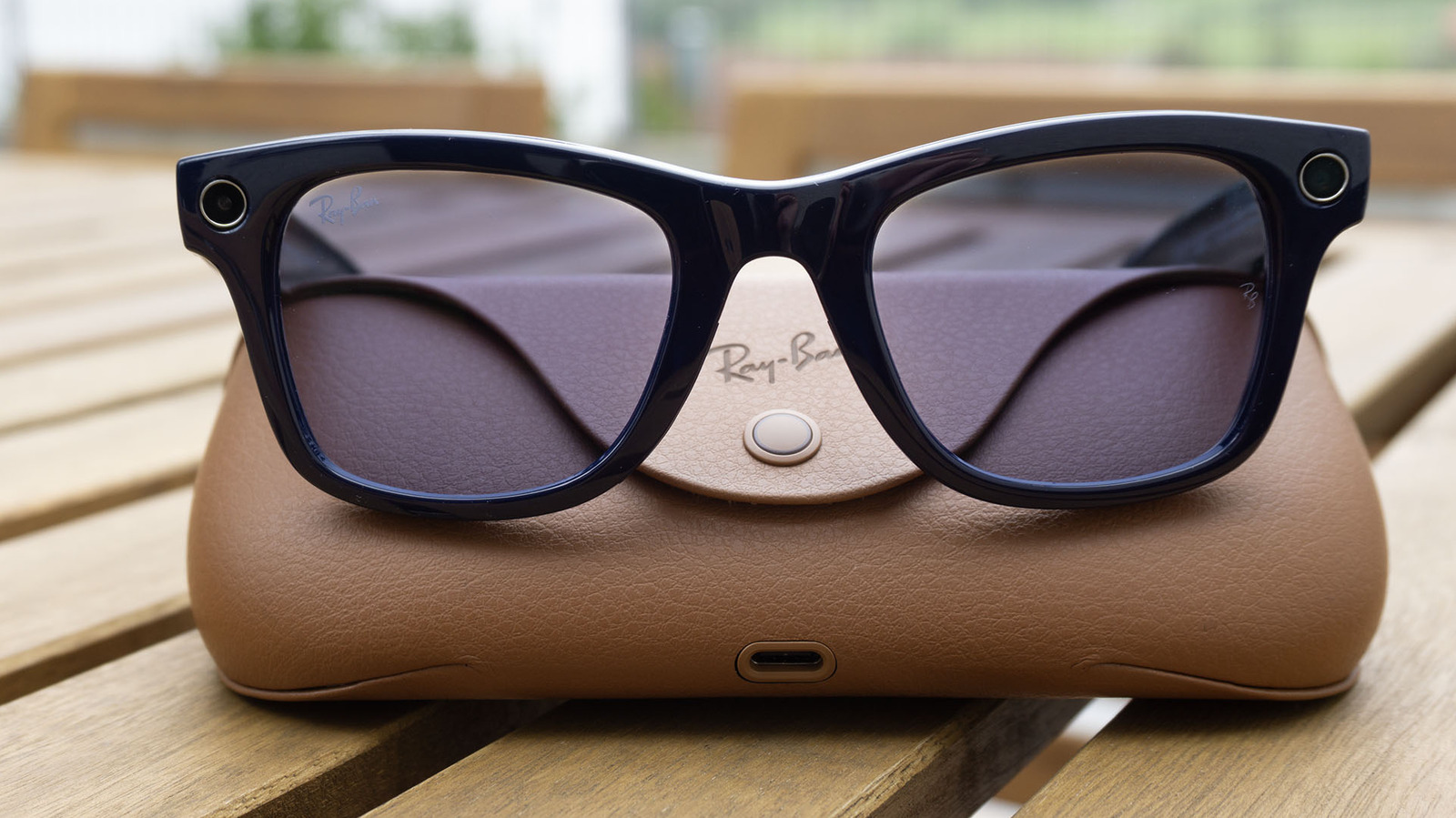
Wearable AI cameras can expose privacy risks that affect product design and deployment.
30-Second TL;DR
What Changed
Ray-Ban Meta glasses include features with different levels of data protection.
Why It Matters
Privacy weaknesses in wearable AI devices can create compliance, trust, and deployment risks for organizations. Teams building computer-vision or ambient-assistant experiences should treat cameras, microphones, and cloud processing as separate risk areas.
What To Do Next
Review camera, microphone, cloud-processing, and data-retention settings on Ray-Ban Meta glasses before using them in an AI product pilot.
Key Points
- •Ray-Ban Meta glasses include features with different levels of data protection.
- •Privacy considerations apply to both the wearer and people captured nearby.
- •Users should evaluate individual features rather than treating the glasses as uniformly secure.
Deep Insight
AI-generated analysis for this event — not the original article.
Enhanced Key Takeaways
- •The Ray-Ban Meta glasses utilize a hardwired LED indicator that illuminates when the camera is active, a physical design choice intended to mitigate 'surreptitious recording' concerns.
- •Meta has implemented end-to-end encryption for certain voice commands and data transmissions, though metadata regarding usage patterns is still collected for product improvement.
- •Regulatory bodies in the EU have previously scrutinized the product's compliance with GDPR, specifically regarding how bystanders are informed of data collection in public spaces.
- •The glasses integrate Meta AI, which processes multimodal inputs (visual and audio) to provide real-time assistance, raising concerns about the storage and training usage of captured environmental data.
- •Third-party privacy audits have highlighted that while the hardware includes privacy-centric design, the software ecosystem's opt-out mechanisms are often buried within the Meta View app settings.
Competitor Analysis
- Ray-Ban Meta Glasses
- Classic Wayfarer
- XREAL Air 2
- AR Glasses (Wired)
- Brilliant Labs Frame
- Open-source AI Glasses
- Ray-Ban Meta Glasses
- 12MP Ultra-wide
- XREAL Air 2
- None
- Brilliant Labs Frame
- 12MP Camera
- Ray-Ban Meta Glasses
- Meta AI (Native)
- XREAL Air 2
- Smartphone Dependent
- Brilliant Labs Frame
- Noa AI
- Ray-Ban Meta Glasses
- ~$299
- XREAL Air 2
- ~$399
- Brilliant Labs Frame
- ~$349
| Feature | Ray-Ban Meta Glasses | XREAL Air 2 | Brilliant Labs Frame |
|---|---|---|---|
| Form Factor | Classic Wayfarer | AR Glasses (Wired) | Open-source AI Glasses |
| Camera | 12MP Ultra-wide | None | 12MP Camera |
| AI Integration | Meta AI (Native) | Smartphone Dependent | Noa AI |
| Pricing | ~$299 | ~$399 | ~$349 |
Technical Deep Dive
- Powered by the Qualcomm Snapdragon AR1 Gen 1 platform, specifically optimized for low-power AI processing and image signal processing.
- Features a 12MP camera capable of 1080p video recording at 30fps, with internal storage for local media caching before syncing to the Meta View app.
- Utilizes a five-microphone array for spatial audio capture and voice command processing, employing beamforming technology to isolate user speech.
- The system architecture separates the camera/sensor pipeline from the main application processor to ensure the LED indicator is triggered by hardware-level signals rather than software-only commands.
- Connectivity relies on Wi-Fi 7 and Bluetooth 5.3 for high-bandwidth data transfer between the glasses and the paired smartphone.
Future ImplicationsAI analysis grounded in cited sources
Timeline
- 2021-09Launch of the first-generation Ray-Ban Stories smart glasses.
- 2023-09Meta announces the second-generation Ray-Ban Meta smart glasses with improved camera and AI features.
- 2024-04Meta rolls out multimodal AI updates allowing the glasses to 'see' and analyze objects via the camera.
- 2025-02Meta expands AI capabilities to include real-time translation and location-based information services.
Weekly AI Recap
Read this week's curated digest of top AI events →
Related Updates

AI-curated news aggregator. All content rights belong to original publishers.
Original source: Engadget ↗
This is a summary, not the original. Read the source, or get the weekly briefing.
The weekly digest
One email a week. Unsubscribe anytime.