Waymo denies remote drivers post-viral Senate testimony

💡Waymo's remote ops reveal: 70 agents (half Philippines) aid robotaxis—key for AV regulation & scaling
⚡ 30-Second TL;DR
What Changed
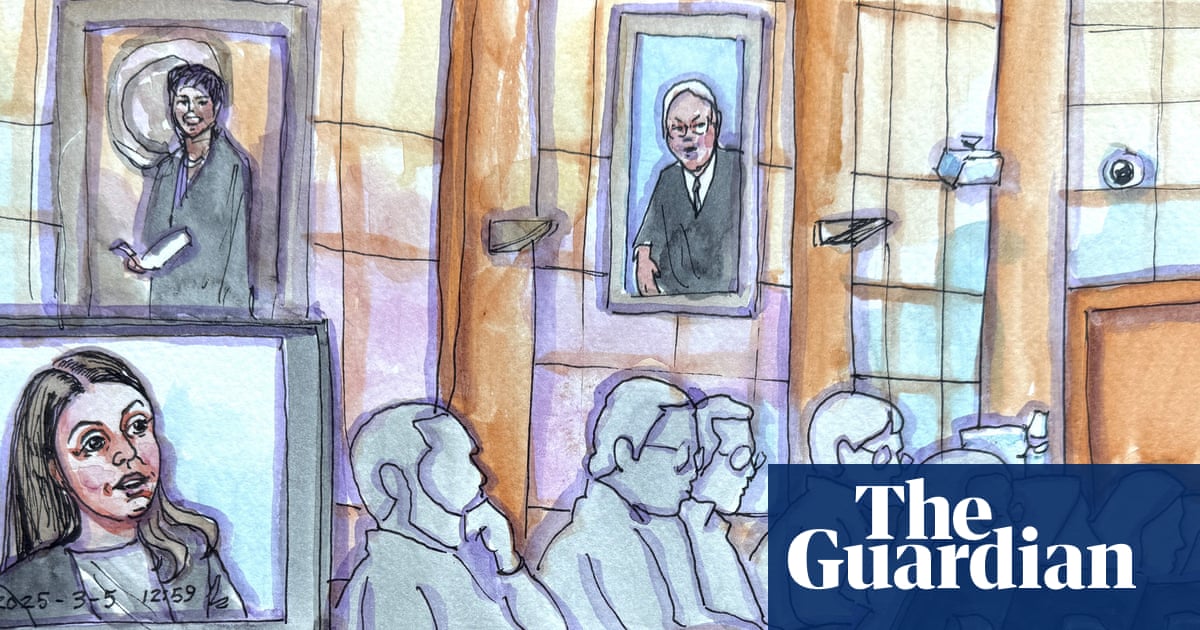
Senate testimony of Waymo exec went viral
Why It Matters
This clarification addresses misconceptions about Waymo's autonomy, potentially easing regulatory scrutiny but highlighting reliance on human remote support for robotaxi scaling.
What To Do Next
Review Waymo's remote assistance letter for insights on scaling embodied AI with human oversight.
Key Points
- •Senate testimony of Waymo exec went viral
- •70 remote assistance agents employed
- •Half of agents based in Philippines
- •Agents provide advice only on event-driven request
🧠 Deep Insight
Background and context from public sources — not the original article. 7 sources cited.
🔑 Enhanced Key Takeaways
- •Waymo employs 70 remote assistance operators—35 in the US and 35 in the Philippines—who provide guidance only when the autonomous system requests input in complex driving scenarios, not continuous remote control[1]
- •Senator Ed Markey launched an industry-wide investigation into remote human operators at seven major AV companies (Waymo, Tesla, Zoox, Aurora, Motional, May Mobility, and Nuro) following concerns about cybersecurity, data protection, and accountability[1]
- •Waymo's Chief Safety Officer Mauricio Peña testified that in rare circumstances, US-based personnel could prompt a stopped vehicle to move forward at approximately 2 mph to exit a travel lane, but such instances have not occurred outside training scenarios[1]
- •The Philippines provides a strategically advantageous operational hub due to its strengthened data protection regime, established cross-border data flow rules, and technically trained workforce that enables real-time remote oversight while maintaining US regulatory compliance[5]
- •Waymo's safety record shows its fully autonomous vehicles have been involved in far fewer serious-injury crashes than human drivers under the same conditions and mileage, though regulators continue examining specific incidents including collisions involving children and cases where robotaxis passed stopped school buses[5]
📊 Competitor Analysis▸ Show
| Company | Remote Assistance Model | Geographic Locations | Public Disclosure | Regulatory Stance |
|---|---|---|---|---|
| Waymo | Event-driven guidance from 70 operators | 35 US, 35 Philippines | Testified to Senate; detailed in letter to Markey | Urges national AV framework |
| Tesla | Not specified in testimony | Not disclosed | Submitted testimony to Senate hearing | Called for regulatory modernization |
| Zoox | Under investigation | Unknown | Received inquiry from Markey | Not detailed in available sources |
| Aurora, Motional, May Mobility, Nuro | Under investigation | Unknown | Received inquiry from Markey | Not detailed in available sources |
🛠️ Technical Deep Dive
• Remote assistance operates on an event-driven model where the autonomous vehicle requests human guidance rather than humans continuously monitoring or controlling the vehicle • The Waymo Driver system maintains primary control of all dynamic driving tasks (steering, braking, acceleration) with remote operators providing advisory input only • In documented rare cases, US-based operators can issue a single command to move a stopped vehicle forward at ~2 mph to clear a travel lane—a capability that has not been deployed outside training scenarios • Cross-border latency considerations exist between US and Philippines operations, though specific technical specifications for acceptable response times are not disclosed in available sources • The Philippines infrastructure supports real-time operational oversight through established data protection frameworks and cross-border data flow compliance mechanisms aligned with US regulatory requirements
🔮 Future ImplicationsAI analysis grounded in cited sources
The Senate investigation signals that regulatory frameworks for autonomous vehicle remote assistance will likely become more stringent, requiring companies to provide greater transparency about operator capabilities, geographic locations, and cybersecurity protocols. The focus on overseas operators may drive policy development around critical safety personnel qualifications, data sovereignty, and cross-border operational standards. Waymo's emphasis on the Philippines as an operational hub suggests that future AV scaling will depend on countries offering both legal certainty for data movement and technically trained workforces, potentially reshaping the global competitive landscape for autonomous driving. The industry-wide investigation indicates Congress views remote assistance as public infrastructure requiring coordinated planning rather than a proprietary operational detail, which could lead to mandatory disclosure requirements and standardized safety protocols across all AV companies.
⏳ Timeline
📎 Sources (7)
Factual claims are grounded in the sources below. Forward-looking analysis is AI-generated interpretation.
- cybernews.com — Waymo Overseas Assistants Remote Robotaxi Senate
- buddycarter.house.gov — Documentsingle
- changinglanesnewsletter.com — Waymos Remote Assistance Isnt Scandalous
- mlq.ai — Waymo Executive Testifies Remote Staff Provide Guidance Without Directly Controlling Vehicles
- cleantechnica.com — Waymos Remote Operations Strategy Highlights Why the Philippines Is a Critical Hub
- automotiveworld.com — Waymo Defends Overseas Remote Staff in US Robotaxi Ops
- waymo.com — Blog
Weekly AI Recap
Read this week's curated digest of top AI events →
👉Related Updates
AI-curated news aggregator. All content rights belong to original publishers.
Original source: The Verge ↗
This is a summary, not the original. Read the source, or get the weekly briefing.
Weekly AI briefing
One email a week. Unsubscribe anytime.