Washington’s AI Regulation Debate Enters Its Next Phase
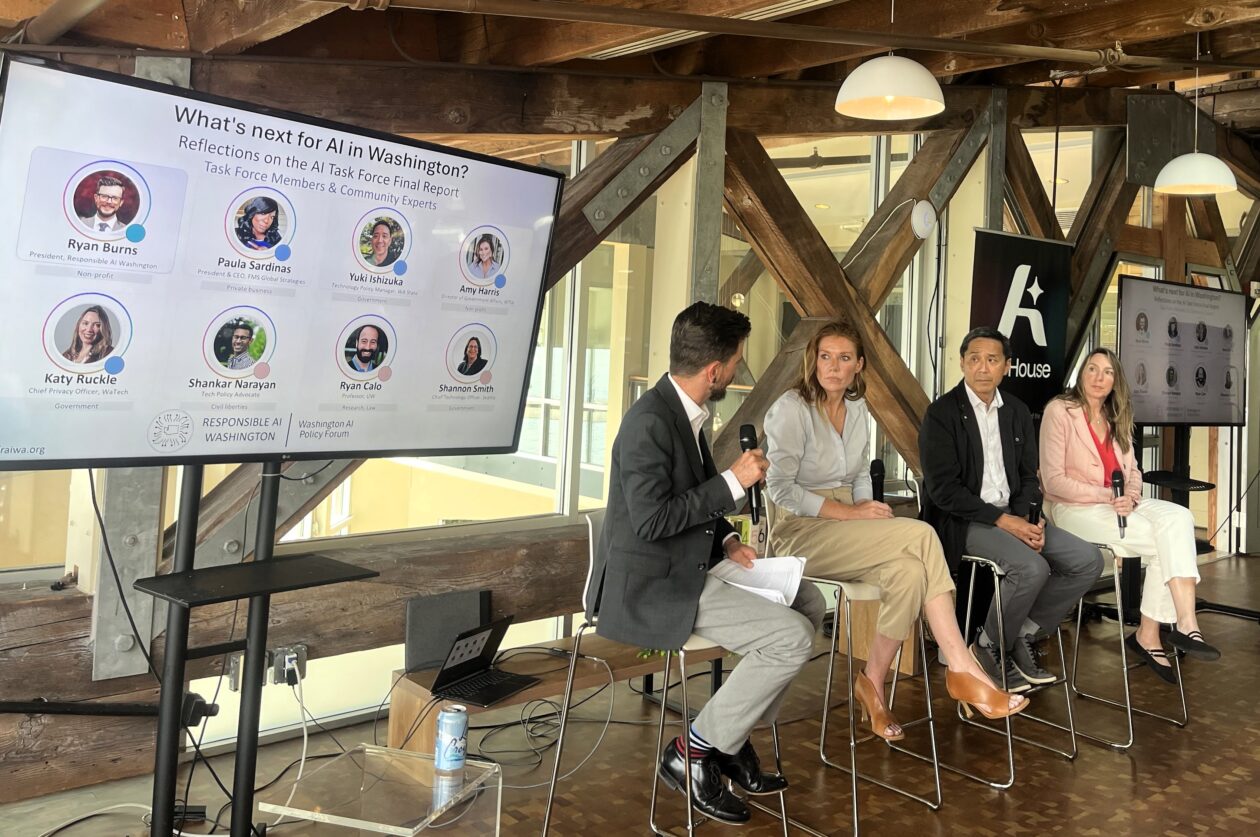
Washington’s first AI laws are active, but the next regulatory requirements remain contested.
30-Second TL;DR
What Changed
Washington state has enacted its first AI laws after a two-year task force effort.
Why It Matters
The split between enacted laws and stalled recommendations creates an uncertain compliance environment for companies operating in Washington. AI founders and enterprise teams may need to prepare for evolving obligations while policymakers continue debating the scope of regulation.
What To Do Next
Create a Washington-specific AI compliance matrix that maps your systems, data practices, and user disclosures to the state’s enacted AI laws.
Key Points
- •Washington state has enacted its first AI laws after a two-year task force effort.
- •The task force’s broader policy recommendations remain stalled in the Legislature.
- •Consumer and labor advocates support stronger rules, while AI startups emphasize compliance costs.
Deep Insight
AI-generated analysis for this event — not the original article.
Enhanced Key Takeaways
- •The Washington AI Task Force was formally established under Senate Bill 5838, signed into law by Governor Jay Inslee in 2024 to guide state agency adoption and ethical standards.
- •A primary point of contention in the stalled legislation involves the 'right to opt-out' of automated decision-making systems, which business groups argue would stifle innovation in the state's tech sector.
- •Washington's enacted laws currently focus heavily on transparency requirements for state agencies, mandating public disclosure of AI tools used in public-facing services.
- •The stalled recommendations include a proposed 'AI Liability Framework' that would have established legal standards for developers if their systems cause discriminatory outcomes.
- •Local industry groups, including the Washington Technology Industry Association (WTIA), have actively lobbied for a 'light-touch' regulatory approach to prevent Washington from losing its competitive edge to other states with more permissive AI environments.
Future ImplicationsAI analysis grounded in cited sources
Timeline
- 2024-03Governor Inslee signs SB 5838, officially creating the AI Task Force.
- 2024-06The Washington AI Task Force holds its inaugural meeting to begin the two-year study period.
- 2025-01Task force releases preliminary report highlighting the need for agency-level AI governance.
- 2026-05Task force concludes its two-year mandate and submits final policy recommendations to the Legislature.
- 2026-07Legislative session concludes without passing the broader regulatory framework proposed by the task force.
Weekly AI Recap
Read this week's curated digest of top AI events →
Related Updates
AI-curated news aggregator. All content rights belong to original publishers.
Original source: GeekWire ↗
This is a summary, not the original. Read the source, or get the weekly briefing.
The weekly digest
One email a week. Unsubscribe anytime.