Vibe Seisho: Bridging the gap from prototype to production
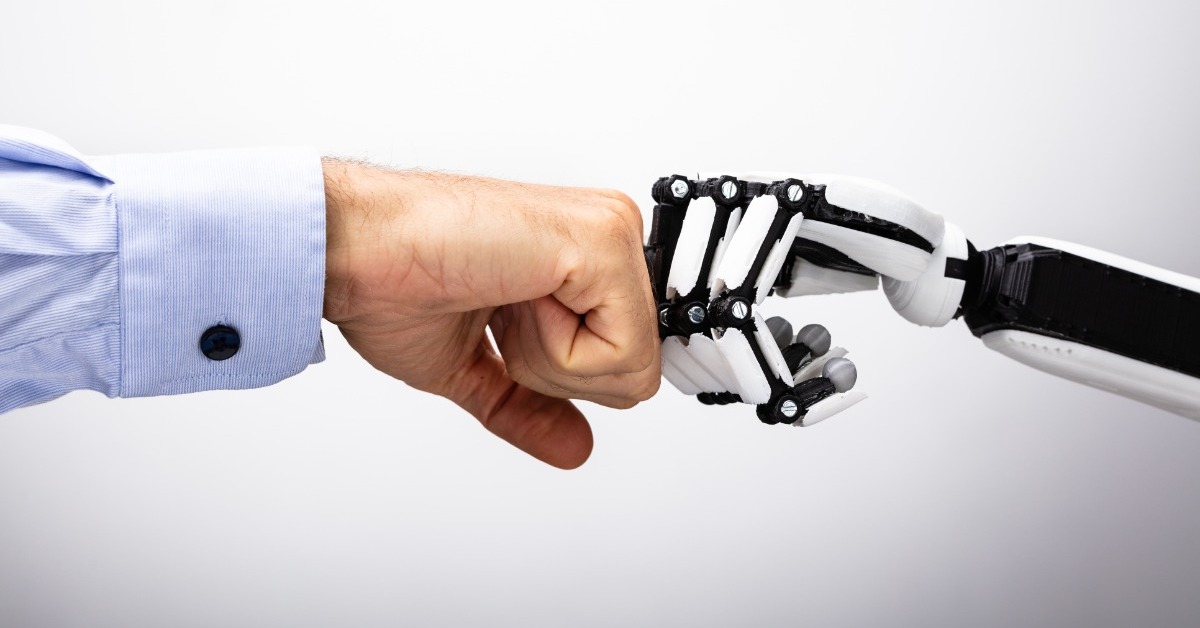
💡Learn how to move AI-generated prototypes into production safely without compromising on quality or security.
⚡ 30-Second TL;DR
What Changed
Addresses the difficulty of scaling AI-generated prototypes to production environments.
Why It Matters
This tool could significantly reduce technical debt in organizations heavily reliant on AI-assisted rapid development. It provides a necessary bridge for enterprises to adopt AI coding tools without sacrificing system stability.
What To Do Next
Evaluate your current AI-generated code pipeline and identify where manual quality checks fail; consider integrating Vibe Seisho to automate the hardening process.
Key Points
- •Addresses the difficulty of scaling AI-generated prototypes to production environments.
- •Focuses on improving software quality and security standards for AI-assisted code.
- •Targets the 'vibe coding' workflow where rapid prototyping often lacks enterprise-grade rigor.
🧠 Deep Insight
Background and context from public sources — not the original article. 9 sources cited.
🔑 Enhanced Key Takeaways
- •Vibe coding, a term coined by Andrej Karpathy in February 2025, describes a software development approach where large language models (LLMs) are heavily used to generate code from natural language prompts, prioritizing rapid experimentation over manual coding and detailed structure.
- •AI-generated prototypes often fail in production due to a lack of persistent memory, workflow orchestration, system integrations, and deployment control, struggling with real-world usage, data, and long-term operations.
- •A significant concern with AI-generated code is the introduction of security vulnerabilities, with studies indicating that AI can introduce flaws in up to 45% of cases, leading to one in five organizations reporting serious security incidents linked to such code.
🔮 Future ImplicationsAI analysis grounded in cited sources
📎 Sources (9)
Factual claims are grounded in the sources below. Forward-looking analysis is AI-generated interpretation.
Weekly AI Recap
Read this week's curated digest of top AI events →
👉Related Updates
AI-curated news aggregator. All content rights belong to original publishers.
Original source: ITmedia AI+ (日本) ↗
This is a summary, not the original. Read the source, or get the weekly briefing.
The weekly digest
One email a week. Unsubscribe anytime.