Using AI to visualize dreams and subconscious imagery
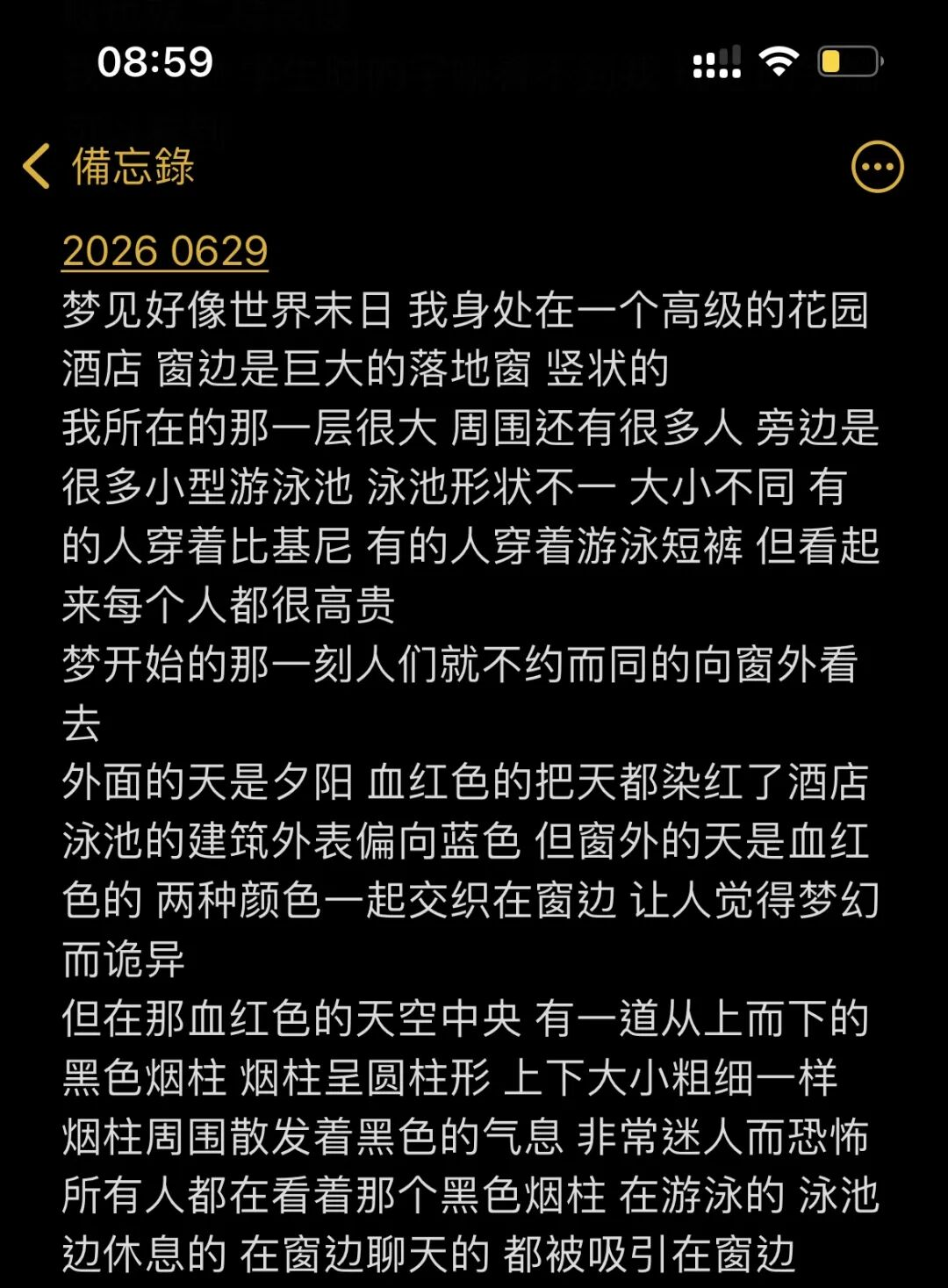
💡Explore the creative limits of AI in visualizing abstract concepts and the psychological impact on human imagination.
⚡ 30-Second TL;DR
What Changed
AI effectively visualizes abstract dream concepts but struggles with specific character expression details
Why It Matters
Highlights the potential of generative AI as a creative partner while warning against the erosion of human-led artistic ambiguity.
What To Do Next
Experiment with multi-turn prompting in Doubao to refine visual outputs for abstract creative projects.
Key Points
- •AI effectively visualizes abstract dream concepts but struggles with specific character expression details
- •Iterative prompting and context adjustment are essential for achieving high-fidelity dream recreations
- •Over-reliance on AI for creative analysis may diminish personal imagination and writing desire
🧠 Deep Insight
AI-generated analysis for this event — not the original article.
🔑 Enhanced Key Takeaways
- •ByteDance's Doubao utilizes a proprietary multimodal model architecture, often referred to as 'Doubao-vision' or integrated within the 'Seed' model family, to process complex semantic inputs into visual outputs.
- •The integration of 'Dream-to-Image' workflows in Doubao relies on latent diffusion models that have been fine-tuned on high-dimensional, abstract artistic datasets to better interpret non-linear dream logic.
- •Recent updates to the Doubao ecosystem have introduced 'Contextual Memory' features, allowing the AI to maintain consistency across multiple iterative prompts, which is critical for dream sequence continuity.
- •Research indicates that using AI for dream visualization is increasingly being explored in therapeutic settings as a tool for 'Cognitive Externalization,' helping patients process subconscious imagery under clinical supervision.
- •ByteDance has implemented specific safety guardrails within Doubao to prevent the generation of disturbing or hyper-realistic traumatic imagery, which often appears in subconscious dream states.
📊 Competitor Analysis▸ Show
| Feature | Doubao (ByteDance) | Midjourney (v6+) | DALL-E 3 (OpenAI) |
|---|---|---|---|
| Primary Focus | Conversational Multimodal | Artistic/Stylistic Fidelity | Prompt Adherence/Logic |
| Pricing Model | Freemium/Token-based | Subscription-only | Credit-based (via ChatGPT) |
| Dream Logic Handling | High (Contextual) | Medium (Visual-first) | High (Semantic-first) |
🛠️ Technical Deep Dive
- Architecture: Utilizes a Mixture-of-Experts (MoE) framework to dynamically allocate compute resources based on the complexity of the dream description.
- Latent Space Manipulation: Employs a specialized VAE (Variational Autoencoder) decoder optimized for surrealist and abstract textures, reducing the 'uncanny valley' effect in non-logical imagery.
- Prompt Engineering Layer: Features an internal 'Semantic Refiner' that translates raw, fragmented dream narratives into structured visual tokens before passing them to the diffusion engine.
- Training Data: Incorporates a vast corpus of cross-modal data, including literature, psychological dream journals, and abstract art, to improve the model's 'imagination' capabilities.
🔮 Future ImplicationsAI analysis grounded in cited sources
⏳ Timeline
Weekly AI Recap
Read this week's curated digest of top AI events →
👉Related Updates

AI-curated news aggregator. All content rights belong to original publishers.
Original source: 虎嗅 ↗
This is a summary, not the original. Read the source, or get the weekly briefing.
Weekly AI briefing
One email a week. Unsubscribe anytime.