US Unveils Faster AI-Goods Trade Program
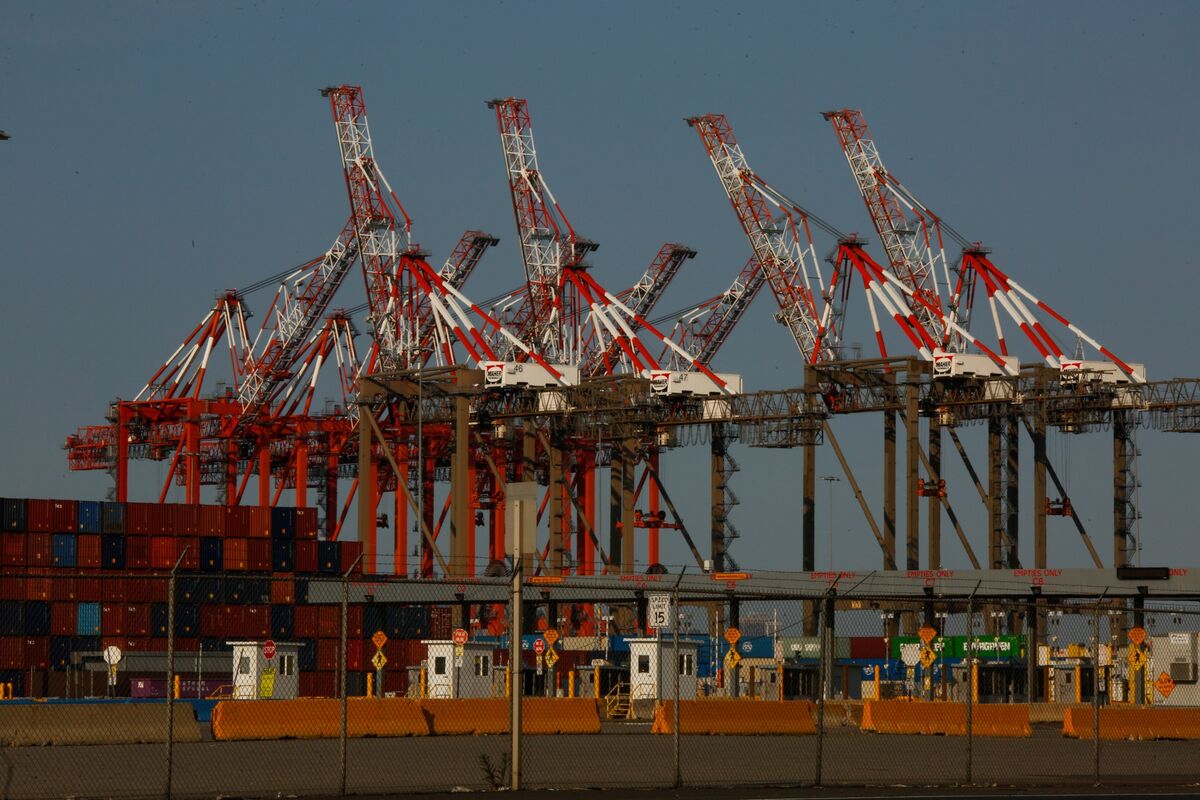
💡A new US initiative could reshape how quickly allied AI hardware reaches your supply chain.
⚡ 30-Second TL;DR
What Changed
The program focuses on goods considered critical to developing artificial intelligence.
Why It Matters
Faster movement of AI components could reduce procurement delays for developers and infrastructure operators. However, its practical impact will depend on which goods, countries, and customs procedures are covered.
What To Do Next
Create a supplier map for GPUs, servers, networking gear, and other AI-critical components, then check each item against the program's eligibility rules when published.
Key Points
- •The program focuses on goods considered critical to developing artificial intelligence.
- •It targets faster shipments between the US and its closest trading partners.
- •The effort could improve coordination across allied AI supply chains.
🧠 Deep Insight
AI-generated analysis for this event.
🔑 Enhanced Key Takeaways
- •The program, officially titled the 'AI Supply Chain Resilience Initiative' (ASCRI), utilizes a 'trusted trader' framework to grant expedited customs clearance for high-end GPU components and specialized semiconductor manufacturing equipment.
- •Participating nations are required to adopt reciprocal export control standards, effectively creating a 'minilateral' trade bloc specifically for AI-critical hardware.
- •The initiative includes a digital 'fast-track' portal that integrates real-time inventory tracking between US customs and partner nation logistics hubs to reduce port dwell times by an estimated 40%.
- •This policy is explicitly linked to the 'AI Sovereignty Act of 2025,' which mandates that critical AI infrastructure components must originate from or be processed within allied jurisdictions to qualify for tax incentives.
- •The program specifically targets the reduction of bottlenecks for HBM (High Bandwidth Memory) and advanced packaging materials, which have been identified as the primary constraints in domestic AI cluster deployment.
🛠️ Technical Deep Dive
- Implementation of a blockchain-based 'Certificate of Origin' ledger to verify the provenance of AI-critical components in real-time.
- Integration with the Automated Commercial Environment (ACE) system to automate the classification of AI-specific HS (Harmonized System) codes.
- Utilization of predictive analytics to pre-clear shipments based on historical supply chain data and partner-nation security vetting.
- Standardization of 'Green Lane' protocols for logistics providers handling sensitive AI hardware, requiring end-to-end encrypted tracking and tamper-evident packaging.
🔮 Future ImplicationsAI analysis grounded in cited sources
⏳ Timeline
Weekly AI Recap
Read this week's curated digest of top AI events →
👉Related Updates


AI-curated news aggregator. All content rights belong to original publishers.
Original source: Bloomberg Technology ↗