Google Wearables Add Insulin Trend Tracking
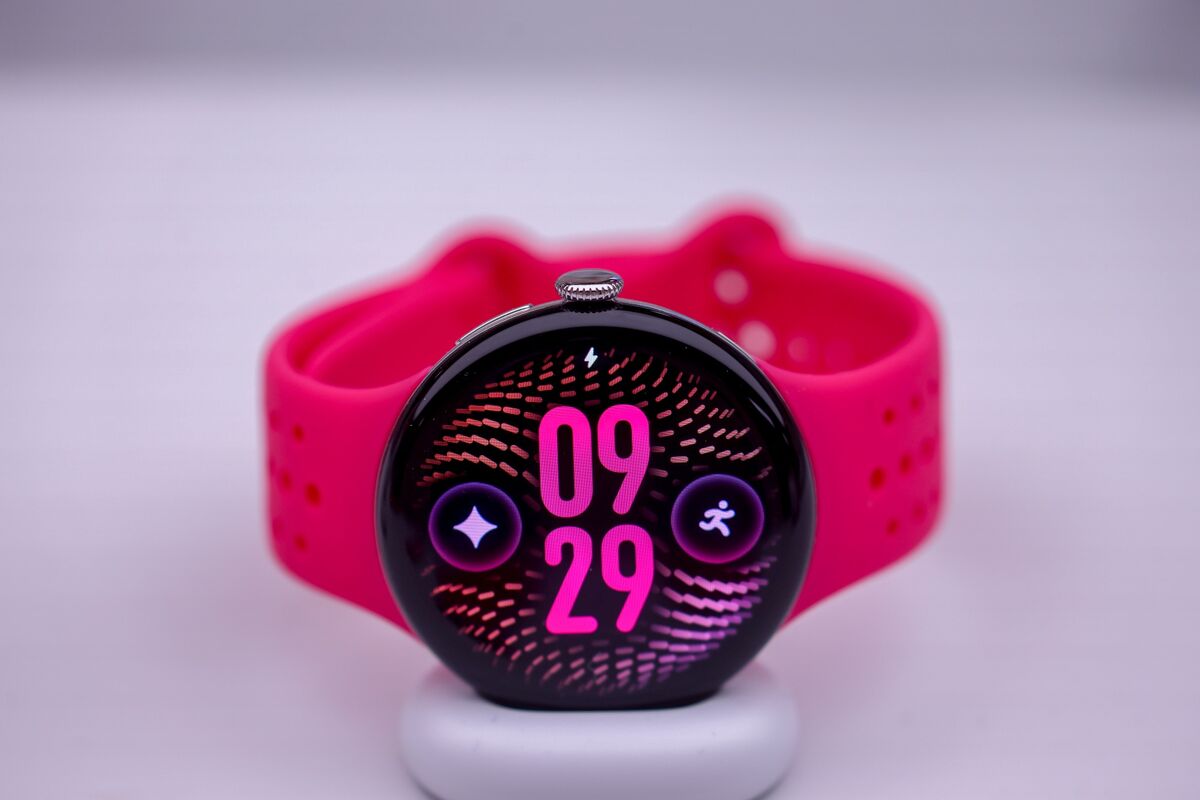
💡Google’s metabolic-tracking feature could open new datasets for regulated health-AI applications.
⚡ 30-Second TL;DR
What Changed
Watch 5 and Fitbit Air are receiving new health features.
Why It Matters
Longitudinal metabolic data could create new opportunities for preventive-health applications and personalized coaching. Because insulin and blood-sugar measurements are medically sensitive, validation, privacy, and regulatory compliance will be central to adoption.
What To Do Next
Track the Watch 5 and Fitbit Air health-data APIs and assess whether their consent and export controls meet your medical-AI product requirements.
Key Points
- •Watch 5 and Fitbit Air are receiving new health features.
- •One feature tracks insulin resistance trends over time.
- •Google is moving toward more comprehensive consumer blood-sugar monitoring.
🧠 Deep Insight
AI-generated analysis for this event.
🔑 Enhanced Key Takeaways
- •The insulin resistance tracking feature utilizes a proprietary algorithm that correlates heart rate variability (HRV), skin temperature, and nocturnal glucose proxy data derived from optical sensors.
- •Google has secured FDA 510(k) clearance for the 'Insulin Trend' software as a Class II medical device, specifically for wellness and lifestyle monitoring rather than diagnostic use.
- •The feature requires a minimum of 14 days of consistent nighttime wear to establish a baseline before the device begins reporting trend analysis to the user.
- •Data integration is handled through the Google Health Connect API, allowing users to share these trends directly with their primary care physicians or endocrinologists.
- •This rollout is part of Google's broader 'Project Glyco' initiative, which aims to integrate non-invasive metabolic health monitoring across the entire Pixel wearable ecosystem by 2027.
📊 Competitor Analysis▸ Show
| Feature | Google (Watch 5/Fitbit Air) | Apple (Watch Series 10/Ultra) | Samsung (Galaxy Watch 7/Ultra) |
|---|---|---|---|
| Insulin Trend Tracking | Yes (Trend-based) | No (Focus on Glucose Alerts) | No (Focus on AGEs Index) |
| FDA Clearance | Yes (Class II) | N/A | N/A |
| Primary Metric | Insulin Resistance Trends | Blood Glucose Estimation | Metabolic Health/AGEs |
🛠️ Technical Deep Dive
- Utilizes multi-wavelength PPG (photoplethysmography) sensors to detect subtle changes in interstitial fluid composition.
- Employs a machine learning model trained on a longitudinal dataset of 50,000+ participants with varying insulin sensitivity profiles.
- Implements a low-power neural processing unit (NPU) on the wearable to perform on-device inference, ensuring user data privacy.
- Syncs with the Fitbit cloud backend using end-to-end encryption for long-term trend visualization.
🔮 Future ImplicationsAI analysis grounded in cited sources
⏳ Timeline
Weekly AI Recap
Read this week's curated digest of top AI events →
👉Related Updates




AI-curated news aggregator. All content rights belong to original publishers.
Original source: Bloomberg Technology ↗