U.S. Science Policy Enters AI War Mode
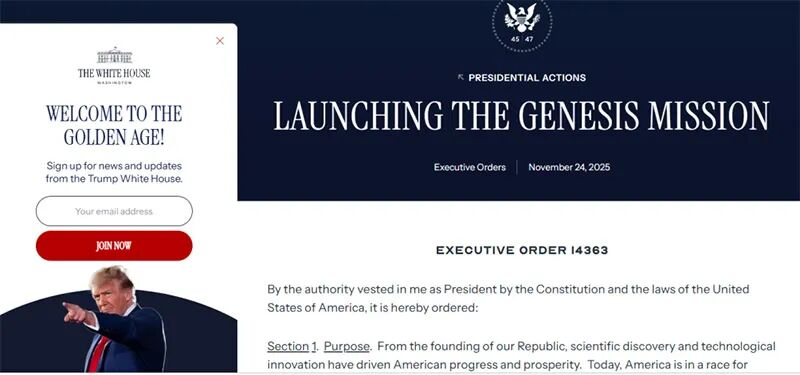
💡A new U.S. strategy could reshape AI funding, talent, procurement, and access to advanced technology.
⚡ 30-Second TL;DR
What Changed
The strategy is organized around four pillars: focus, resilience, agility, and security.
Why It Matters
The strategy could redirect U.S. public research, university programs, and procurement toward national-security applications, intensifying competition for AI talent and compute resources. AI companies may face more government opportunities alongside stricter export, investment, data, and research-security requirements.
What To Do Next
Audit your AI roadmap against U.S. export-control, data-governance, and research-security requirements, especially if your product uses advanced chips, sensitive datasets, or government partnerships.
Key Points
- •The strategy is organized around four pillars: focus, resilience, agility, and security.
- •AI, space, and underwater systems are identified as three primary strategic battlefields.
- •Fourteen enabling technology groups include autonomous systems, advanced manufacturing, quantum information, semiconductors, and cybersecurity.
- •The policy calls for faster funding, reduced regulatory friction, milestone-based procurement, and stronger controls on foreign investment and sensitive data.
Weekly AI Recap
Read this week's curated digest of top AI events →
👉Related Updates




AI-curated news aggregator. All content rights belong to original publishers.
Original source: 虎嗅 ↗
This is a summary, not the original. Read the source, or get the weekly briefing.
Weekly AI briefing
One email a week. Unsubscribe anytime.