US Pushes 35 Nations to Pick an AI Side
💡A possible US-led AI alignment push could reshape model access, cloud availability, and global compliance requirements.
⚡ 30-Second TL;DR
What Changed
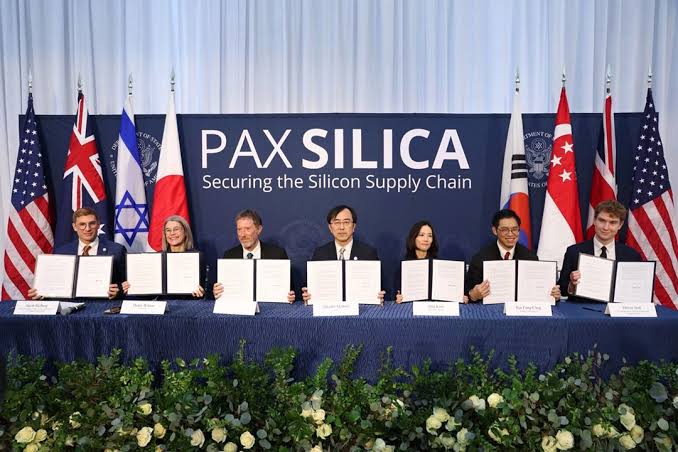
The proposed letter targets all 35 signatories of the US AI Opportunity Statement.
Why It Matters
A formal alignment request could accelerate the fragmentation of AI infrastructure, model access, cloud services, and technology standards into competing geopolitical blocs. AI companies operating internationally may face increased compliance, sourcing, and market-access risks.
What To Do Next
Map your AI stack’s dependence on US- and China-linked models, cloud providers, chips, and data services, then identify compliant alternatives for each critical component.
Key Points
- •The proposed letter targets all 35 signatories of the US AI Opportunity Statement.
- •Its central message is that countries cannot fully participate in both US- and China-aligned AI ecosystems.
- •The wording reportedly frames the decision as a strategic choice rather than a routine diplomatic partnership.
- •The report is based on a draft, a US official, and an internal document, so the final policy may change.
🧠 Deep Insight
AI-generated analysis for this event.
🔑 Enhanced Key Takeaways
- •The US initiative is part of a broader 'de-risking' strategy aimed at preventing the transfer of advanced semiconductor technology and AI model weights to Chinese entities via third-party nations.
- •The 35 signatories include a mix of G7 nations, EU members, and key Indo-Pacific partners, creating a complex diplomatic challenge regarding existing trade dependencies with China.
- •US officials are reportedly leveraging export control frameworks, such as the Wassenaar Arrangement and updated BIS (Bureau of Industry and Security) regulations, to enforce these alignment requirements.
- •The move follows the 2025 'AI Sovereignty Act' discussions in Washington, which sought to formalize the requirement for 'trusted' AI supply chains among allied nations.
- •China has responded to these reports by labeling the US strategy as 'technological hegemony' and has begun offering its own 'AI Cooperation Framework' to Global South nations to counter US influence.
🔮 Future ImplicationsAI analysis grounded in cited sources
⏳ Timeline
Weekly AI Recap
Read this week's curated digest of top AI events →
👉Related Updates


AI-curated news aggregator. All content rights belong to original publishers.
Original source: The Next Web (TNW) ↗