US Plans Global AI Chip Export Controls
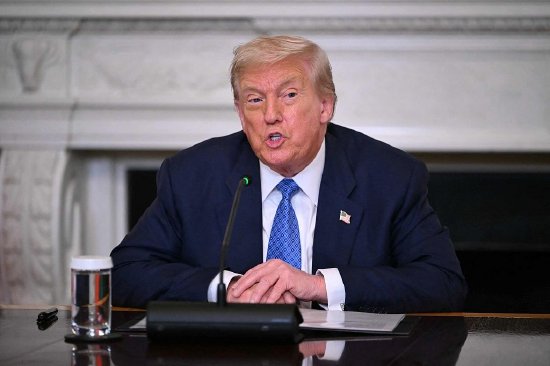
💡US global AI chip bans hit Nvidia/AMD—secure your training hardware supply
⚡ 30-Second TL;DR
What Changed
US officials draft global AI chip export restrictions
Why It Matters
Disrupts international AI development, forcing non-US firms to seek alternatives. Reshapes global supply chains for GPU-dependent training.
What To Do Next
Audit your Nvidia/AMD GPU supply chain and explore domestic or allied sourcing options now.
Key Points
- •US officials draft global AI chip export restrictions
- •Requires US approval for shipments to any country
- •Nvidia and AMD heavily impacted; Trump admin push
- •Broad control over AI model training infrastructure
🧠 Deep Insight
Background and context from public sources — not the original article. 7 sources cited.
🔑 Enhanced Key Takeaways
- •US House passed the Remote Access Security Act to extend export controls on AI chips to cloud computing, closing a loophole used by Chinese firms to rent offshore data centers.[1]
- •Trump administration shifted policy on January 14, 2026, approving H200 chip exports to China under case-by-case reviews with 25% tariffs and mandatory US testing, reversing prior denial presumption.[2][5]
- •New rules introduce chip volume caps limiting exports to China to 50% of US domestic shipments and maintain denial for China-owned data centers outside China.[6]
- •Commerce Department expanded Foreign Direct Product Rule (FDPR) in December 2024 and January 2025 to control foreign-made chips with any US-origin components and AI model weights via ECCN 4E091.[3]
🔮 Future ImplicationsAI analysis grounded in cited sources
⏳ Timeline
📎 Sources (7)
Factual claims are grounded in the sources below. Forward-looking analysis is AI-generated interpretation.
- Tom's Hardware — U S House Passes Bill to Stop Chinese Companies From Accessing Export Controlled American AI Chips Using Offshore Rental Loophole Remote Access Security Access Act Effectively Extends Export Controls to the Cloud
- bisi.org.uk — Trump Reverses US AI Chip Export Policy to China
- csis.org — Understanding US Allies Current Legal Authority Implement AI and Semiconductor Export
- laweconcenter.org — US Export Controls on AI and Semiconductors
- sanctionsnews.bakermckenzie.com — Bis Revises License Review Policy for Advanced Computing Commodities AI Semiconductors to China and Macau When Exported From the United States
- cfr.org — New AI Chip Export Policy China Strategically Incoherent and Unenforceable
- brookings.edu — The New AI Diffusion Export Control Rule Will Undermine US AI Leadership
Weekly AI Recap
Read this week's curated digest of top AI events →
👉Related Updates

AI-curated news aggregator. All content rights belong to original publishers.
Original source: cnBeta (Full RSS) ↗
This is a summary, not the original. Read the source, or get the weekly briefing.
Weekly AI briefing
One email a week. Unsubscribe anytime.