US military simulates nuclear detonation in low-Earth orbit
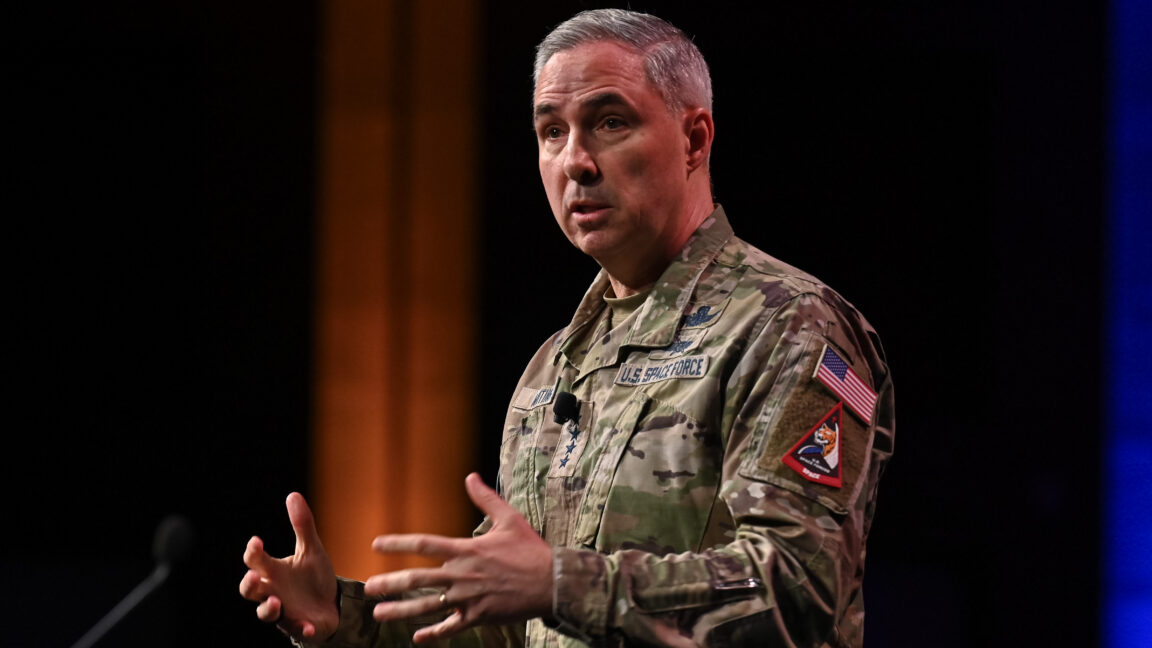
Understand the fragility of orbital infrastructure that supports global AI and communication networks.
30-Second TL;DR
What Changed
Wargame simulates nuclear detonation in low-Earth orbit
Why It Matters
This highlights critical vulnerabilities in satellite infrastructure, which is essential for global AI data transmission and GPS-dependent autonomous systems.
What To Do Next
Evaluate the resilience of your edge-computing or satellite-dependent AI applications against potential infrastructure outages.
Key Points
- •Wargame simulates nuclear detonation in low-Earth orbit
- •Potential for long-term orbital degradation (up to one year)
- •Strategic focus on space-based security and infrastructure resilience
Deep Insight
Background and context from public sources — not the original article. 16 sources cited.
Enhanced Key Takeaways
- •The ongoing US military wargame series, including 'Apollo Insight' and 'Schriever Wargame 2025,' involves over 60 commercial companies and multiple allied nations, highlighting a collaborative international effort to address space security threats.
- •The simulation is specifically designed to counter the threat of a potential Russian nuclear anti-satellite (ASAT) weapon, which intelligence reports suggest could be in development, raising concerns about a new arms race in space.
- •Historical high-altitude nuclear tests, such as the 1962 Starfish Prime, demonstrated that a single detonation can create artificial radiation belts that persist for years, damaging or destroying a significant portion of orbiting satellites and causing widespread electromagnetic pulse (EMP) effects on Earth.
- •A nuclear detonation in low-Earth orbit could trigger a Kessler Syndrome, where cascading collisions of debris render entire orbital bands unusable for decades, far exceeding the initial year of direct radiation effects.
Technical Deep Dive
A high-altitude nuclear detonation (HAND) in low-Earth orbit (LEO) would have several critical technical effects:
- Electromagnetic Pulse (EMP): A HAND generates a powerful EMP that can instantly damage or disable electronics on satellites within its line of sight and cause widespread electrical grid disruptions on Earth, even hundreds of miles away from the detonation point.
- Artificial Radiation Belts: Detonations, such as the 1.4-megaton Starfish Prime at 400 km altitude, significantly increase the intensity of Earth's natural Van Allen radiation belts. These enhanced belts trap high-energy electrons for years, leading to severe, long-term radiation damage to satellites.
- Satellite Damage Mechanisms: Satellites are vulnerable to prompt radiation (X-rays, gamma rays, neutrons) and delayed effects from trapped electrons. This radiation can damage solar arrays, sensitive electronics, and timing systems. A detonation of 110 kilotons or greater could jeopardize up to 20% of LEO satellites from prompt radiation, with delayed effects impacting others for weeks, months, or even years.
- Debris Generation: While a nuclear explosion in orbit would not produce a mushroom cloud due to the lack of atmosphere, it would generate massive amounts of debris. This debris could initiate a Kessler Syndrome, where collisions create more fragments, potentially making entire orbital bands unusable for decades.
- Communication Interference: A detonation could interfere with radio communications between the ground and satellites locally for minutes to hours, significantly degrading space-based communications, remote sensing, and weather services.
Future ImplicationsAI analysis grounded in cited sources
Timeline
- 1962-07US conducts Starfish Prime high-altitude nuclear test
- 1967-01Outer Space Treaty signed, prohibiting nuclear weapons in orbit
- 2022-02Russia launches Cosmos 2553, raising US concerns about a potential nuclear ASAT testbed
- 2024-03Reports emerge about Russia developing a nuclear anti-satellite weapon
- 2025-08U.S. Space Force hosts Schriever Wargame Capstone 2025, an international space strategy exercise
- 2026-03US Space Command initiates 'Apollo Insight' commercial wargame series simulating LEO nuclear detonation
Sources (16)
Factual claims are grounded in the sources below. Forward-looking analysis is AI-generated interpretation.
Weekly AI Recap
Read this week's curated digest of top AI events →
AI-curated news aggregator. All content rights belong to original publishers.
Original source: Ars Technica ↗
This is a summary, not the original. Read the source, or get the weekly briefing.
The weekly digest
One email a week. Unsubscribe anytime.