US Lawmakers Eye Chip Tool Ban to China
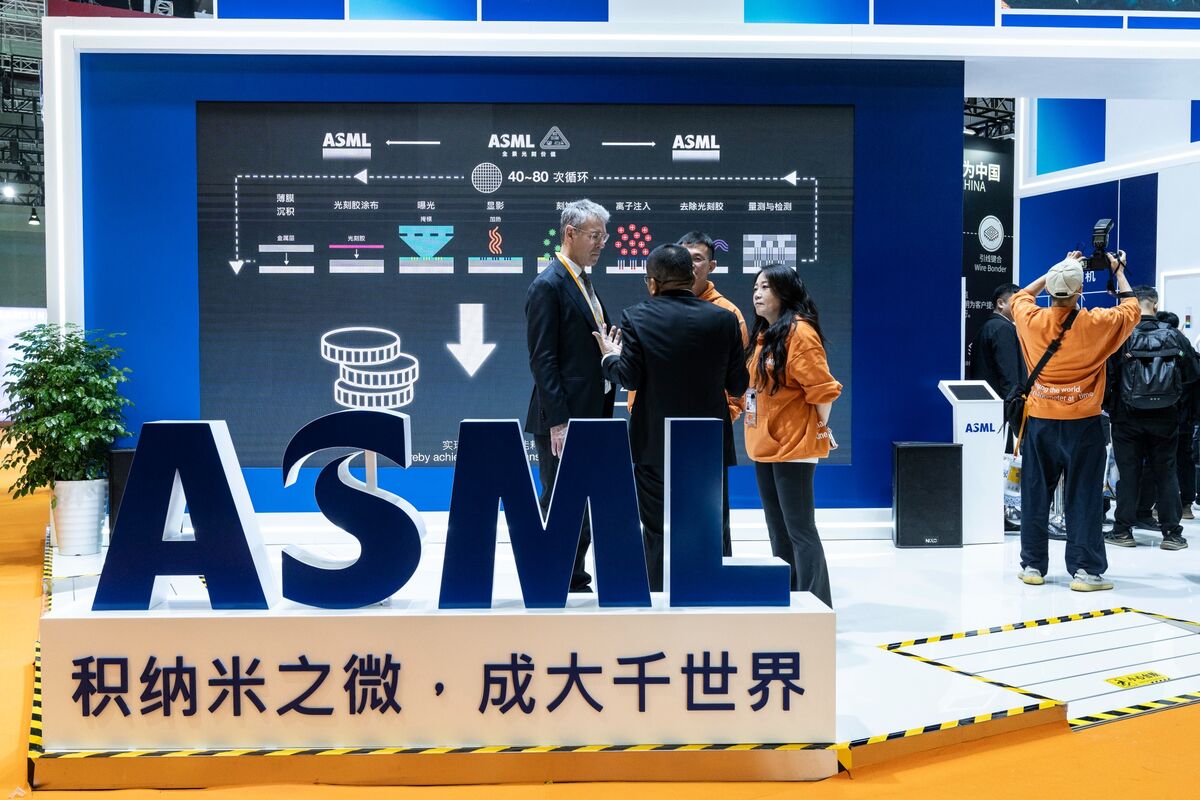
💡Chip export curbs to China may hike AI GPU costs and disrupt supply chains.
⚡ 30-Second TL;DR
What Changed
Bipartisan US legislation unveiled
Why It Matters
This proposal could tighten global semiconductor supply chains, raising costs for AI hardware procurement outside China and prompting US allies to align on export controls. AI firms reliant on advanced chips may face delays in scaling compute infrastructure.
What To Do Next
Review BIS export control lists for chip tools to adjust AI hardware supply chain strategies.
Key Points
- •Bipartisan US legislation unveiled
- •Crackdown on chipmaking tool exports to China
- •Targets allies including Netherlands and Japan
- •Aims to constrain China's tech ambitions
🧠 Deep Insight
AI-generated analysis for this event — not the original article.
🔑 Enhanced Key Takeaways
- •The proposed legislation seeks to leverage the Foreign Direct Product Rule (FDPR) to exert extraterritorial control over foreign-made equipment that incorporates even minimal amounts of US-origin technology.
- •Industry analysts note that this move specifically targets DUV (Deep Ultraviolet) lithography systems, closing loopholes that previously allowed for the export of older-generation immersion tools to Chinese fabs.
- •The bill includes provisions for 'secondary sanctions' against non-US companies that continue to service or supply restricted equipment to Chinese entities blacklisted by the Department of Commerce.
🔮 Future ImplicationsAI analysis grounded in cited sources
⏳ Timeline
Weekly AI Recap
Read this week's curated digest of top AI events →
👉Related Updates
AI-curated news aggregator. All content rights belong to original publishers.
Original source: Bloomberg Technology ↗
This is a summary, not the original. Read the source, or get the weekly briefing.
The weekly digest
One email a week. Unsubscribe anytime.