Understanding surround sound formats for home theater
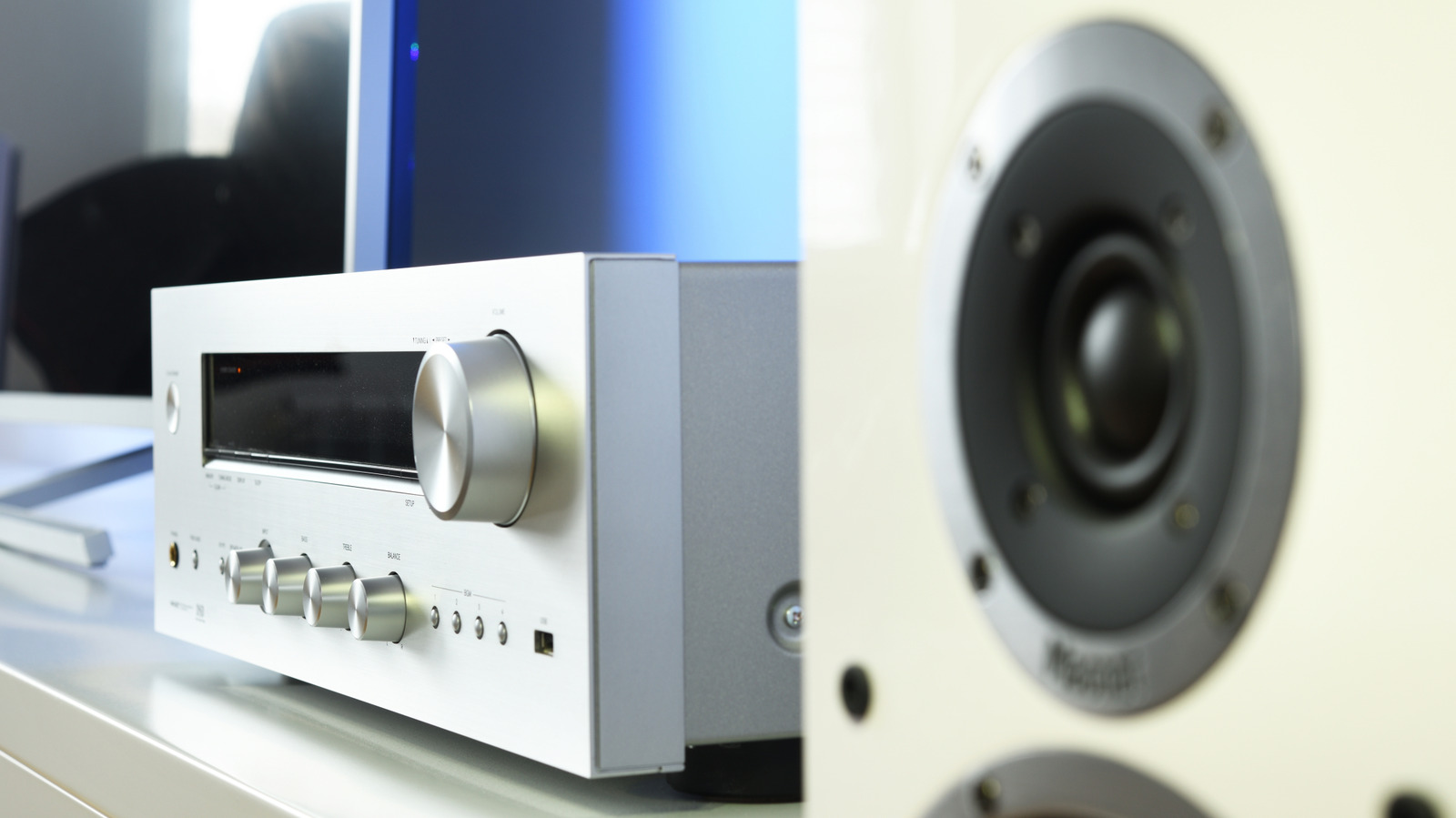
Essential knowledge for AI researchers working on spatial audio and sound synthesis.
30-Second TL;DR
What Changed
Comparison of Dolby Digital, DTS, and Atmos
Why It Matters
Understanding these standards is critical for developers working on spatial audio generation and AI-driven soundscape synthesis.
What To Do Next
If building audio AI models, research how object-based audio metadata in Atmos can be used as training labels for spatial sound generation.
Key Points
- •Comparison of Dolby Digital, DTS, and Atmos
- •Technical differences in surround sound encoding
- •Application in home theater environments
Deep Insight
AI-generated analysis for this event — not the original article.
Enhanced Key Takeaways
- •Dolby Atmos utilizes object-based audio metadata, allowing sound engineers to place audio objects in 3D space rather than being restricted to fixed channel assignments.
- •DTS:X is a competitor to Atmos that is channel-agnostic, meaning it does not require a specific speaker configuration (like 5.1 or 7.1) to render audio correctly.
- •The transition from channel-based (Dolby Digital/DTS) to object-based audio (Atmos/DTS:X) is a primary driver for AI-based upmixing algorithms in modern AV receivers.
- •MPEG-H Audio is an emerging standard that competes with Dolby and DTS, offering advanced personalization features like adjustable dialogue levels for the end user.
- •Spatial audio research is currently leveraging HRTF (Head-Related Transfer Function) modeling to simulate surround sound environments over standard stereo headphones.
Competitor Analysis
- Dolby Atmos
- Object-based
- DTS:X
- Object-based
- MPEG-H Audio
- Object-based/Channel
- Dolby Atmos
- Proprietary
- DTS:X
- Proprietary
- MPEG-H Audio
- Open/Standardized
- Dolby Atmos
- Cinema/Home Theater
- DTS:X
- Home Theater/Blu-ray
- MPEG-H Audio
- Broadcast/Streaming
| Feature | Dolby Atmos | DTS:X | MPEG-H Audio |
|---|---|---|---|
| Encoding Type | Object-based | Object-based | Object-based/Channel |
| Licensing Model | Proprietary | Proprietary | Open/Standardized |
| Primary Market | Cinema/Home Theater | Home Theater/Blu-ray | Broadcast/Streaming |
Technical Deep Dive
- Dolby Atmos uses a bed of channels (up to 7.1.2) combined with up to 118 simultaneous audio objects.
- DTS:X utilizes the Multi-Dimensional Audio (MDA) platform, an open, royalty-free standard for spatial audio.
- Object-based audio metadata includes X, Y, and Z coordinates, as well as gain and size parameters for each sound object.
- Modern spatial audio rendering engines use AI to perform real-time room acoustic analysis, adjusting object placement based on detected speaker positions.
Future ImplicationsAI analysis grounded in cited sources
Timeline
- 1992-06Dolby Digital (AC-3) debuts with Batman Returns in theaters.
- 1993-06DTS launches with Jurassic Park, offering higher bitrates than Dolby Digital.
- 2012-04Dolby Atmos is introduced, shifting the industry toward object-based audio.
- 2015-01DTS:X is announced as a direct competitor to Dolby Atmos.
- 2023-11Integration of AI-based spatial upmixing becomes a standard feature in high-end AV receivers.
Weekly AI Recap
Read this week's curated digest of top AI events →
Related Updates

AI-curated news aggregator. All content rights belong to original publishers.
Original source: Engadget ↗
This is a summary, not the original. Read the source, or get the weekly briefing.
The weekly digest
One email a week. Unsubscribe anytime.