🇨🇳cnBeta (Full RSS)•Freshcollected in 8m
TSMC Exec Accused of Stealing Trade Secrets for Intel
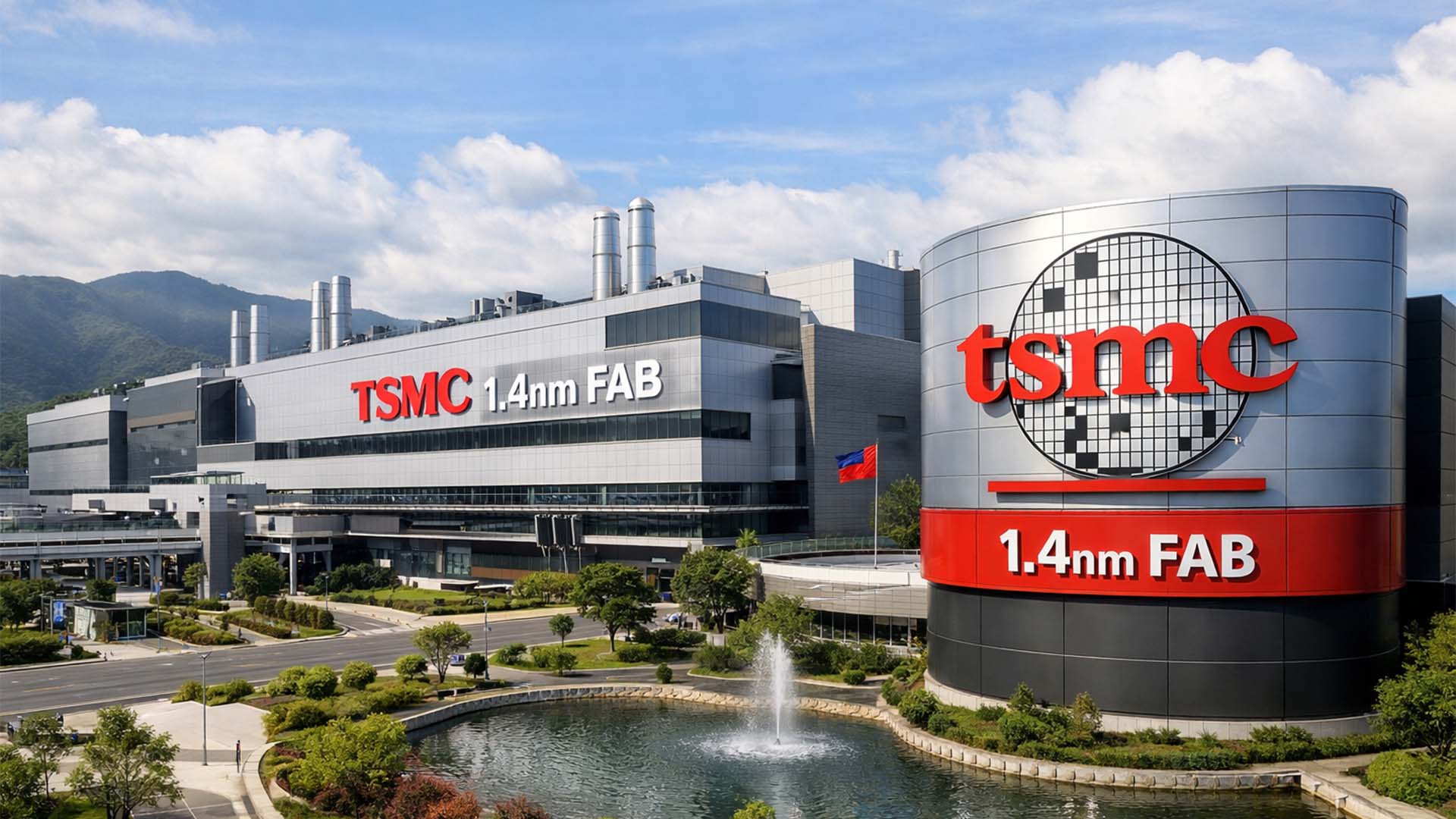
💡Critical IP security breach involving key AI chip manufacturing nodes at TSMC.
⚡ 30-Second TL;DR
What Changed
Wei-Jen Lo allegedly leaked 5nm, 3nm, and 2nm process trade secrets.
Why It Matters
This case highlights the extreme sensitivity of semiconductor IP and may lead to stricter cross-border hiring compliance for AI chip manufacturers.
What To Do Next
Review your company's IP protection protocols and data egress monitoring for employees transitioning to competitors.
Who should care:Enterprise & Security Teams
Key Points
- •Wei-Jen Lo allegedly leaked 5nm, 3nm, and 2nm process trade secrets.
- •The investigation into the data theft began in November last year.
- •ITRI has officially removed all records of the executive from its platform.
🧠 Deep Insight
AI-generated analysis for this event.
🔑 Enhanced Key Takeaways
- •Wei-Jen Lo previously served as a director at the Industrial Technology Research Institute (ITRI) before his tenure at TSMC, which facilitated his access to sensitive government-backed semiconductor research.
- •The investigation was triggered by a whistleblower report within TSMC's internal security department, which detected anomalous data transfers to unauthorized external cloud storage accounts.
- •Taiwanese prosecutors have invoked the National Security Act, specifically the Economic Espionage provisions, to escalate the legal proceedings against Lo due to the strategic importance of 2nm technology.
- •Intel has officially denied any involvement or solicitation of the stolen trade secrets, stating they maintain strict internal compliance protocols regarding intellectual property acquisition.
- •The leaked data reportedly included specific lithography optimization parameters and chemical mechanical planarization (CMP) recipes essential for high-yield production at advanced nodes.
🛠️ Technical Deep Dive
- The stolen data allegedly contained proprietary GDSII layout files and standard cell library architectures for 2nm gate-all-around (GAA) FET technology.
- Documentation included specific thermal management protocols for extreme ultraviolet (EUV) lithography machines used in 3nm and 2nm manufacturing.
- The breach involved unauthorized access to TSMC's internal 'Fab-to-Fab' knowledge management system, which contains yield-enhancement data and defect-density reduction techniques.
🔮 Future ImplicationsAI analysis grounded in cited sources
TSMC will implement mandatory hardware-level security keys for all senior engineering staff accessing advanced node design files.
The breach exposed vulnerabilities in software-only authentication, necessitating a shift toward multi-factor physical security tokens to prevent future data exfiltration.
Taiwanese regulatory bodies will tighten restrictions on the movement of semiconductor talent to foreign-headquartered firms.
The high-profile nature of this case has prompted legislative discussions to amend the National Security Act to include stricter non-compete clauses for executives in critical technology sectors.
⏳ Timeline
2025-11
TSMC internal security initiates investigation into suspicious data access patterns.
2026-02
Taiwanese prosecutors formally charge Wei-Jen Lo with violation of the Trade Secrets Act.
2026-05
ITRI removes Wei-Jen Lo from all public records and alumni databases.
2026-06
Legal proceedings escalate to include National Security Act charges.
📰
Weekly AI Recap
Read this week's curated digest of top AI events →
👉Related Updates



AI-curated news aggregator. All content rights belong to original publishers.
Original source: cnBeta (Full RSS) ↗