Tsinghua's Math Talent Program Faces 'Overfitting' Crisis
💡A cautionary tale for AI developers: why training on 'standardized' data can kill your model's ability to generalize.
⚡ 30-Second TL;DR
What Changed
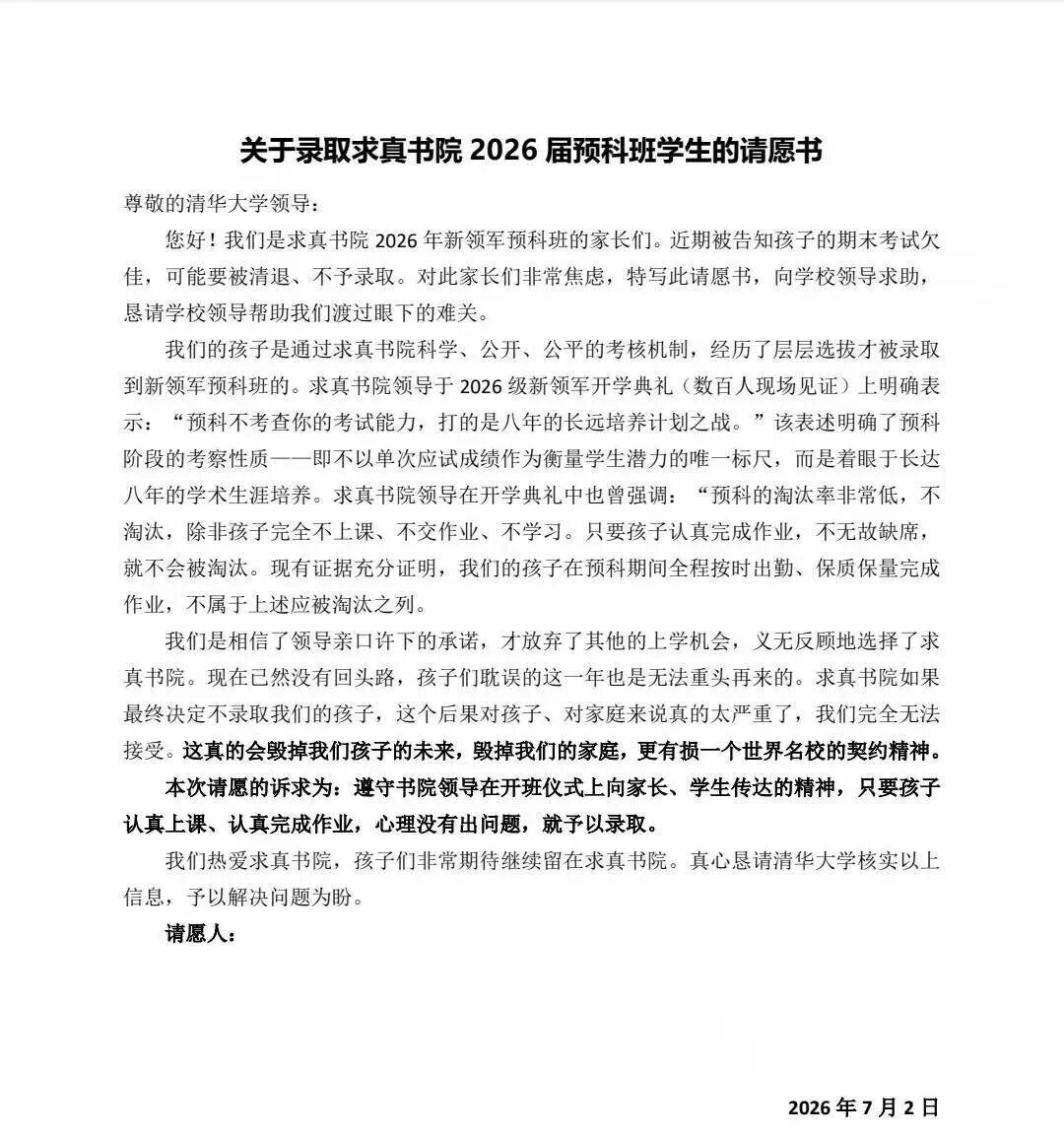
Elite math students reportedly struggled with non-standardized exams, failing to meet expectations.
Why It Matters
This highlights a critical failure in talent selection pipelines that rely on high-stakes testing, suggesting that AI-driven or creative fields require a shift toward evaluating genuine reasoning over pattern matching.
What To Do Next
When building AI training pipelines, ensure your evaluation sets include out-of-distribution tasks to prevent model overfitting to specific training patterns.
Key Points
- •Elite math students reportedly struggled with non-standardized exams, failing to meet expectations.
- •丘成桐 (Shing-Tung Yau) emphasizes that mechanical rote learning destroys mathematical creativity.
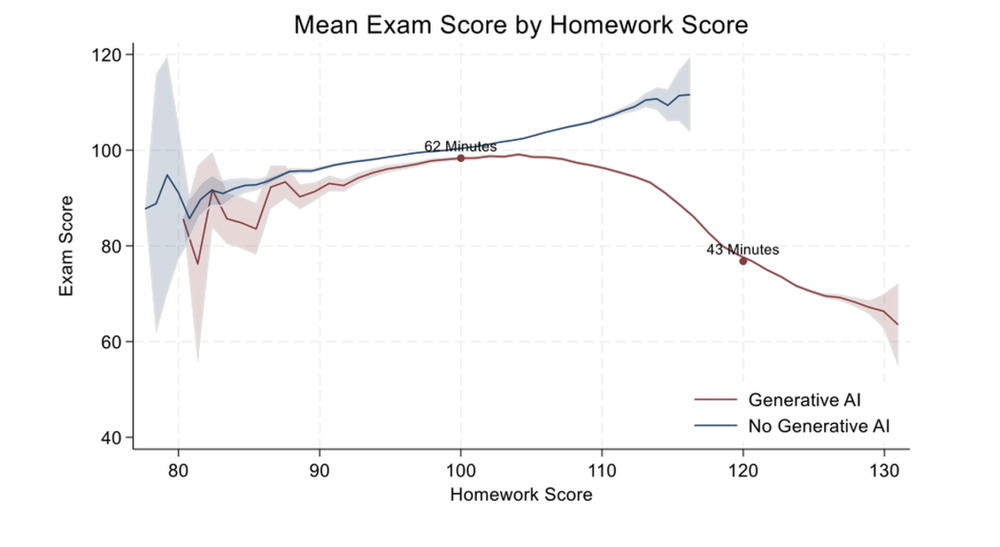
- •The 'overfitting' analogy explains how students trained on specific test patterns fail when faced with novel, creative problems.
🧠 Deep Insight
AI-generated analysis for this event — not the original article.
🔑 Enhanced Key Takeaways
- •The program in question is the 'Yau Mathematical Sciences Leading Talents Class' (丘成桐数学领军人才培养计划), which allows students to enter Tsinghua University as early as middle school.
- •Shing-Tung Yau has publicly criticized the 'involution' (neijuan) of China's primary and secondary education system, arguing it produces students who are 'exam machines' rather than true researchers.
- •The curriculum of the Leading Talents Class intentionally deviates from the standard Chinese National College Entrance Examination (Gaokao) track, focusing instead on advanced undergraduate and graduate-level mathematics.
- •Critics and faculty within the program have noted that some students, despite high scores in competition math (Olympiads), struggle to transition to independent research because they lack the ability to formulate original mathematical conjectures.
- •Tsinghua has implemented a 'dynamic screening' mechanism where students are evaluated not just on exam performance, but on their ability to engage with open-ended research problems under the mentorship of senior faculty.
🔮 Future ImplicationsAI analysis grounded in cited sources
⏳ Timeline
Weekly AI Recap
Read this week's curated digest of top AI events →
👉Related Updates

AI-curated news aggregator. All content rights belong to original publishers.
Original source: 虎嗅 ↗
This is a summary, not the original. Read the source, or get the weekly briefing.
Weekly AI briefing
One email a week. Unsubscribe anytime.