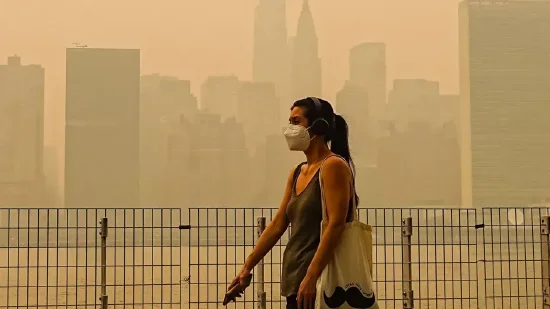
Trump threatens tariffs over Canadian wildfire smoke
💡Understand the new geopolitical risk of environmental policy being used as a lever for international trade tariffs.
⚡ 30-Second TL;DR
What Changed
Trump plans to link environmental damage costs to existing tariffs
Why It Matters
This policy stance could significantly disrupt cross-border supply chains and increase regulatory uncertainty for companies operating in both the US and Canada.
What To Do Next
Review your supply chain exposure to US-Canada trade routes and assess potential tariff impacts on hardware and data center equipment.
Key Points
- •Trump plans to link environmental damage costs to existing tariffs
- •Focuses on cross-border air quality and environmental policy impact
- •Signals a shift toward using trade policy as a tool for environmental enforcement
🧠 Deep Insight
AI-generated analysis for this event.
🔑 Enhanced Key Takeaways
- •The proposed tariff strategy relies on a novel interpretation of the USMCA (United States-Mexico-Canada Agreement) environmental provisions, which Trump argues allows for trade penalties when cross-border pollution causes economic harm.
- •Canadian officials have formally rejected the premise, citing that wildfire management is governed by provincial jurisdiction and climate-driven weather patterns rather than federal policy negligence.
- •Economic analysts note that such tariffs would likely trigger retaliatory measures from Canada, specifically targeting U.S. agricultural exports and energy imports.
- •The U.S. Environmental Protection Agency (EPA) has previously stated that wildfire smoke is classified as an 'exceptional event' under the Clean Air Act, complicating the legal basis for holding a foreign nation liable for damages.
- •This policy shift marks the first time a U.S. administration has attempted to quantify the 'health and economic cost' of transboundary air pollution as a trade deficit factor.
🔮 Future ImplicationsAI analysis grounded in cited sources
⏳ Timeline
Weekly AI Recap
Read this week's curated digest of top AI events →
👉Related Updates
Same topic
Explore #trade-policy
Same product
More on us-trade-policy
Same source
Latest from cnBeta (Full RSS)
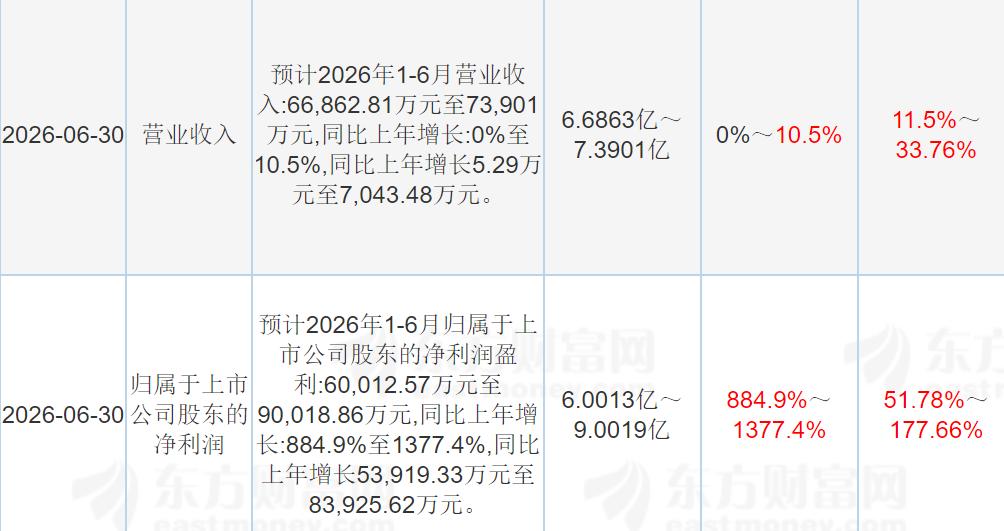
Zhaoyan New Drug profit surges 1300% amid monkey shortage

Konghui Tech Defends Air Suspension Reliability After Failures
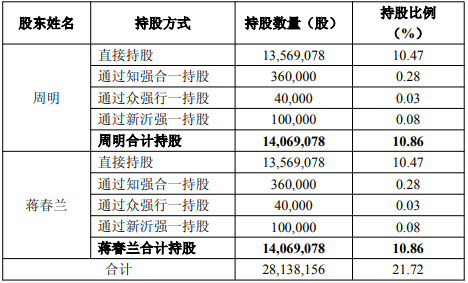
Qiangyi Semiconductor founder divorce triggers $800M stock split
China Denies Allegations of Illicit AI Model Extraction
AI-curated news aggregator. All content rights belong to original publishers.
Original source: cnBeta (Full RSS) ↗