Tim Cook's Complicated Apple Privacy Legacy
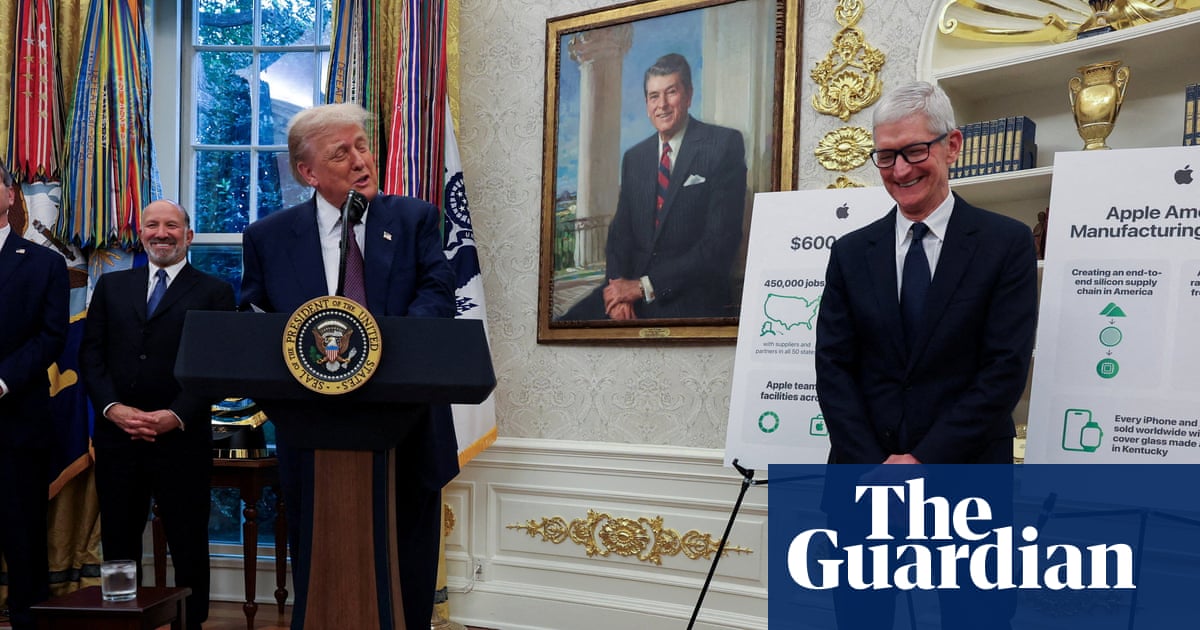
💡Apple privacy legacy impacts AI devs building iOS apps with user data.
⚡ 30-Second TL;DR
What Changed
Resisted FBI demand to unlock San Bernardino shooter's iPhone in 2015.
Why It Matters
Shapes iOS app development standards, influencing AI apps' data collection practices amid global regulations.
What To Do Next
Implement App Tracking Transparency in your iOS AI apps to avoid removal from App Store.
Key Points
- •Resisted FBI demand to unlock San Bernardino shooter's iPhone in 2015.
- •Introduced App Tracking Transparency feature in 2021 to limit app tracking.
- •Acquiesced to government demands abroad, questioning privacy commitment.
🧠 Deep Insight
AI-generated analysis for this event — not the original article.
🔑 Enhanced Key Takeaways
- •Apple's iCloud data for Chinese users is managed by Guizhou-Cloud Big Data (GCBD), a state-owned enterprise, which critics argue grants the Chinese government potential access to encryption keys, directly contradicting Apple's 'on-device' privacy marketing.
- •The 2021 App Tracking Transparency (ATT) rollout significantly disrupted the mobile advertising ecosystem, causing Meta (Facebook) to report an estimated $10 billion revenue loss in 2022 due to reduced ad targeting efficacy.
- •Internal tensions surfaced in 2023 when Apple abandoned plans for client-side scanning of iCloud Photos for child sexual abuse material (CSAM) following intense backlash from privacy advocates who argued the technology created a 'backdoor' that could be exploited by authoritarian regimes.
🛠️ Technical Deep Dive
- •App Tracking Transparency (ATT) functions via the App Tracking Transparency framework, which requires apps to request user permission via the
requestTrackingAuthorizationAPI to access the Identifier for Advertisers (IDFA). - •Apple's 'Advanced Data Protection' for iCloud utilizes end-to-end encryption (E2EE) for most data categories, including iCloud Backups, Photos, and Notes, ensuring that encryption keys are held only on the user's trusted devices.
- •The 2015 FBI dispute centered on the 'Secure Enclave,' a hardware-based key manager isolated from the main processor, which prevented the FBI from using brute-force attacks to bypass the passcode without triggering data erasure.
🔮 Future ImplicationsAI analysis grounded in cited sources
⏳ Timeline
Weekly AI Recap
Read this week's curated digest of top AI events →
👉Related Updates
AI-curated news aggregator. All content rights belong to original publishers.
Original source: The Guardian Technology ↗
This is a summary, not the original. Read the source, or get the weekly briefing.
The weekly digest
One email a week. Unsubscribe anytime.