The Rise of Narcissism and 'Love-Incapacity' in Modern Society
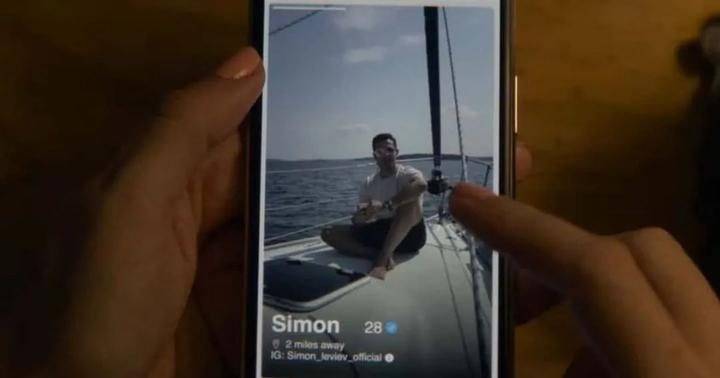
💡Insights into human psychology for building more empathetic and ethically grounded AI social agents.
⚡ 30-Second TL;DR
What Changed
Narcissism is rooted in fragility and a lack of clear boundaries between self and others.
Why It Matters
Understanding these human psychological patterns is critical for developers building social AI, companion bots, or empathetic interfaces.
What To Do Next
When designing AI companions, avoid reinforcing user narcissism by providing only echo-chamber feedback; incorporate 'otherness' to foster healthier interactions.
Key Points
- •Narcissism is rooted in fragility and a lack of clear boundaries between self and others.
- •Capitalism promotes a 'performance-based' self-optimization that erodes the capacity for genuine human connection.
- •Modern 'love-incapacity' stems from treating others as tools or 'blood bags' for self-validation.
- •True love requires accepting the 'other' as an independent entity, which conflicts with the desire for total control.
🧠 Deep Insight
AI-generated analysis for this event — not the original article.
🔑 Enhanced Key Takeaways
- •Byung-Chul Han's 'The Burnout Society' is frequently cited as the foundational philosophical framework for this discourse, arguing that modern individuals are both the perpetrators and victims of self-exploitation.
- •Psychological studies indicate a correlation between high social media usage and 'narcissistic injury,' where the lack of expected digital validation triggers a collapse of self-worth.
- •The concept of 'liquid love,' coined by Zygmunt Bauman, complements this analysis by describing how modern relationships have become fragile and easily dissolvable due to the fear of commitment.
- •Clinical observations suggest that 'love-incapacity' is increasingly manifesting as 'avoidant attachment' styles, exacerbated by the paradox of choice in digital dating markets.
- •Economic sociologists argue that the 'commodification of the self' forces individuals to treat personal branding as a survival mechanism, which inherently prevents the vulnerability required for intimacy.
🔮 Future ImplicationsAI analysis grounded in cited sources
⏳ Timeline
Weekly AI Recap
Read this week's curated digest of top AI events →
👉Related Updates

AI-curated news aggregator. All content rights belong to original publishers.
Original source: 虎嗅 ↗
This is a summary, not the original. Read the source, or get the weekly briefing.
Weekly AI briefing
One email a week. Unsubscribe anytime.