The Reality of Using Valve's Steam Machine Today
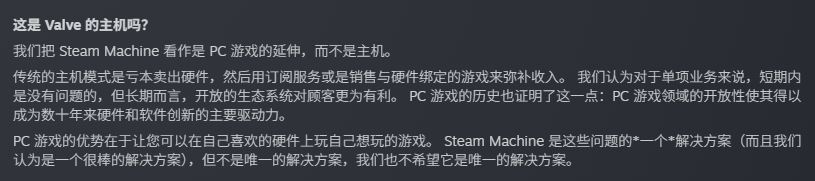
💡A cautionary tale on hardware-software integration for those building AI-powered consumer devices.
⚡ 30-Second TL;DR
What Changed
Steam Machine lacks local repair support in China, increasing maintenance risks.
Why It Matters
This highlights the difficulty of bridging the gap between PC and console ecosystems, a lesson for hardware-software integrated AI devices.
What To Do Next
Analyze the failure of Steam Machine's 'living room' strategy when designing your next hardware-integrated AI product.
Key Points
- •Steam Machine lacks local repair support in China, increasing maintenance risks.
- •Hardware performance requires manual tuning for modern 3A titles, failing the 'plug-and-play' promise.
- •The living room gaming ecosystem in China differs significantly from Western markets, limiting the device's appeal.
- •The device is best suited for users with specific technical skills and a large existing Steam library.
🧠 Deep Insight
AI-generated analysis for this event — not the original article.
🔑 Enhanced Key Takeaways
- •Steam Machines utilized SteamOS, a Debian-based Linux distribution, which served as the foundational architecture for the later development of Proton, the compatibility layer that enables Windows games to run on Linux.
- •The commercial failure of the Steam Machine initiative was largely attributed to the 'chicken-and-egg' problem where developers did not optimize for Linux due to low user base, and users did not adopt the platform due to lack of game support.
- •Valve's hardware strategy shifted significantly after the Steam Machine, moving from a 'living room PC' concept to the handheld form factor of the Steam Deck, which successfully solved the 'plug-and-play' requirement.
- •The Steam Machine project was officially discontinued by Valve in 2018, marking the end of their first major attempt to enter the console hardware market.
- •Many Steam Machines were criticized for their proprietary form factors, which made them difficult to upgrade compared to standard DIY PC builds, contradicting the open-platform philosophy of Steam.
📊 Competitor Analysis▸ Show
| Feature | Steam Machine | PlayStation 4 | Xbox One | DIY Gaming PC |
|---|---|---|---|---|
| OS | SteamOS (Linux) | Orbis OS (FreeBSD) | Windows 10/NT | Windows/Linux |
| Hardware | Variable (OEM) | Fixed (AMD APU) | Fixed (AMD APU) | Custom |
| Plug-and-Play | Low | High | High | Low |
| Pricing | $450 - $5,000+ | ~$399 | ~$499 | Variable |
🛠️ Technical Deep Dive
- Architecture: Utilized x86-64 hardware from various OEMs (Alienware, Zotac, Gigabyte) ranging from Intel Core i3 to i7 processors.
- Graphics: Relied on NVIDIA GeForce or AMD Radeon dedicated GPUs, often in compact or proprietary form factors.
- Software Stack: SteamOS 'Brewmaster' (based on Debian 8) used a custom compositor and Big Picture Mode interface.
- Input: Designed to work with the Steam Controller, which featured dual trackpads and haptic feedback to emulate mouse input for non-controller-native games.
🔮 Future ImplicationsAI analysis grounded in cited sources
⏳ Timeline
Weekly AI Recap
Read this week's curated digest of top AI events →
👉Related Updates



AI-curated news aggregator. All content rights belong to original publishers.
Original source: 虎嗅 ↗
This is a summary, not the original. Read the source, or get the weekly briefing.
The weekly digest
One email a week. Unsubscribe anytime.