The Price Transparency Challenge in Retail
💡Learn how unit-price normalization is becoming a critical metric in retail AI and consumer analytics.
⚡ 30-Second TL;DR
What Changed
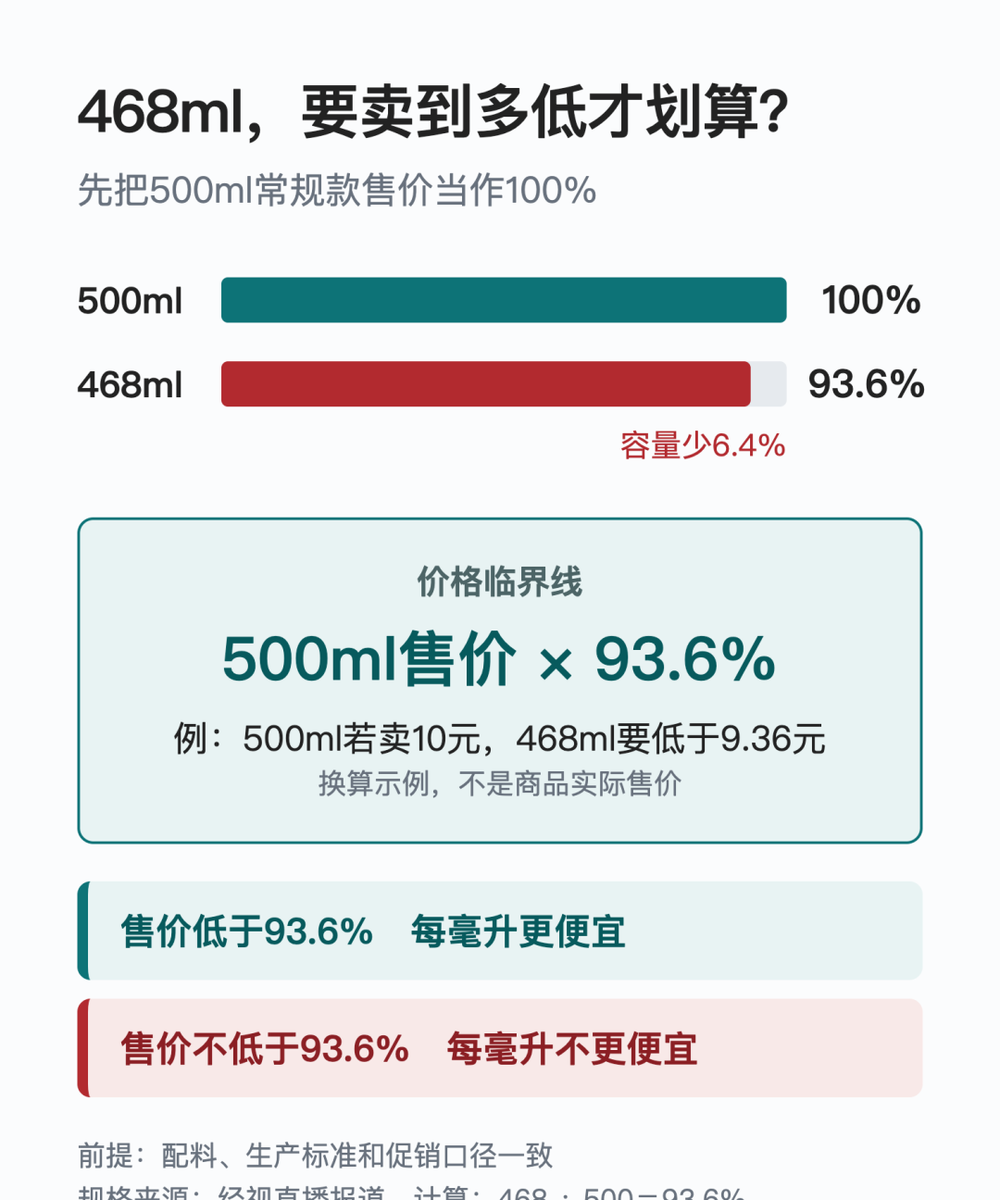
Small-package customization creates price comparison barriers for consumers.
Why It Matters
Retailers and AI-driven pricing engines need to account for unit-price normalization to provide accurate value propositions.
What To Do Next
If building a retail analytics tool, implement a unit-price normalization feature to handle varying package sizes.
Key Points
- •Small-package customization creates price comparison barriers for consumers.
- •Current retail labeling regulations lack mandatory unit-price requirements.
- •Standardized unit pricing is necessary to prove the actual value of discount retail channels.
🧠 Deep Insight
AI-generated analysis for this event — not the original article.
🔑 Enhanced Key Takeaways
- •The rise of 'snack discount' chains in China, such as Lingshi Henmang and Zhao Yiming, has been driven by a 'white-label' strategy that obscures manufacturer identity and makes direct price benchmarking against traditional supermarkets difficult.
- •Regulatory bodies in several Chinese provinces have begun pilot programs requiring 'unit price' (price per 500g or 100g) labeling for bulk and pre-packaged goods to combat deceptive packaging practices.
- •Psychological pricing research indicates that 'shrinkflation'—reducing package size while maintaining price points—is a primary tactic used by discount retailers to maintain the illusion of low prices while increasing margins.
- •The lack of standardized digital shelf labels (ESLs) in many discount snack stores prevents real-time price adjustments and unit-price calculations, forcing consumers to rely on manual, error-prone mental math.
- •Industry data suggests that snack discount chains often utilize 'loss leader' items with high transparency to build brand trust, while obscuring margins on private-label goods through non-standardized weight increments.
📊 Competitor Analysis▸ Show
| Feature | Traditional Supermarkets | Snack Discount Chains | E-commerce Platforms |
|---|---|---|---|
| Pricing Transparency | High (Unit price mandatory) | Low (Custom package sizes) | Medium (Calculated unit price) |
| SKU Variety | High (National brands) | Medium (Private label focus) | Very High |
| Margin Strategy | High volume/Low margin | High turnover/Private label | Dynamic pricing |
| Labeling Standards | Standardized (GB/T) | Variable/Non-standard | Digital/Automated |
🔮 Future ImplicationsAI analysis grounded in cited sources
⏳ Timeline
Weekly AI Recap
Read this week's curated digest of top AI events →
👉Related Updates




AI-curated news aggregator. All content rights belong to original publishers.
Original source: 虎嗅 ↗
This is a summary, not the original. Read the source, or get the weekly briefing.
The weekly digest
One email a week. Unsubscribe anytime.