The Odyssey Makes Physical Filmmaking Valuable
💡As AI makes images cheap, The Odyssey shows why real-world capture and provenance may command a premium.
⚡ 30-Second TL;DR
What Changed
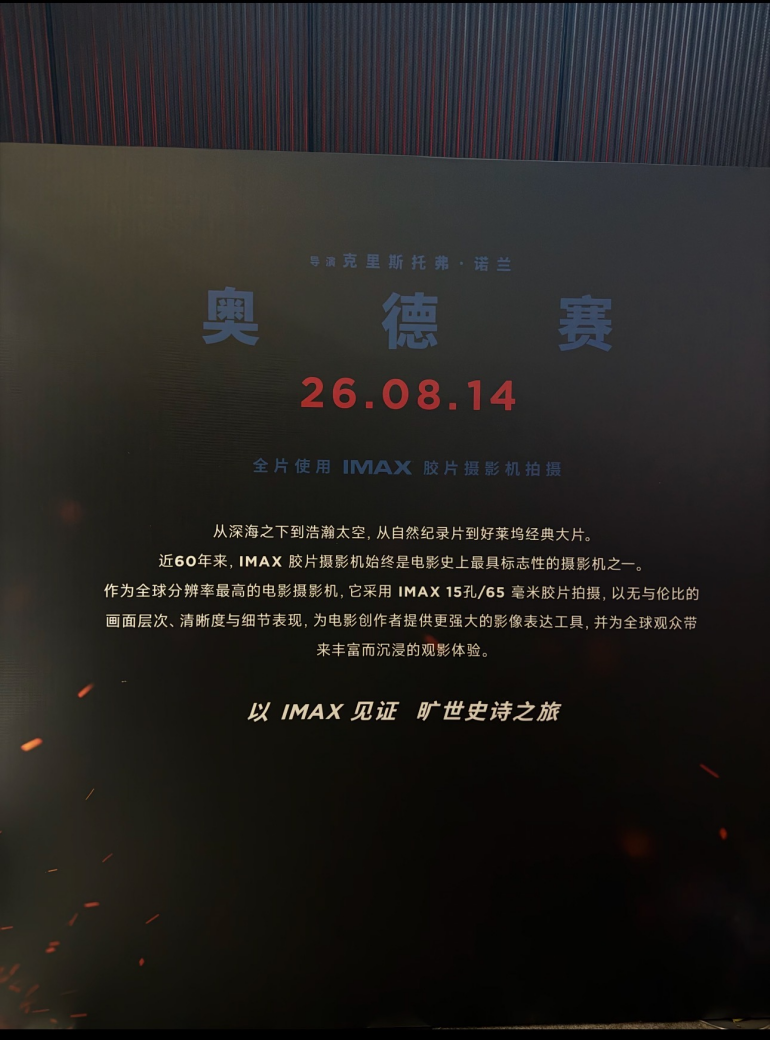
The film used more than 2.1 million feet of IMAX film and was shot entirely with IMAX film cameras.
Why It Matters
For AI practitioners in media, the article highlights a likely two-tier market: low-cost synthetic production for routine assets and premium physical production for authenticity, spectacle, and provenance. AI tools may therefore complement rather than eliminate capture technologies, especially in high-budget entertainment.
What To Do Next
Evaluate one production pipeline by assigning AI to storyboards or cleanup while preserving physical capture for the shots where authenticity or provenance drives audience value.
Key Points
- •The film used more than 2.1 million feet of IMAX film and was shot entirely with IMAX film cameras.
- •Only 41 cinemas worldwide can screen original 70mm IMAX film prints.
- •IMAX restored abandoned projectors and trained 60 projectionists to support the release.
- •Generative AI is already being used for concept art, storyboards, set extensions, reshoots, cleanup, and localization.
- •The article argues that when synthetic images become cheap, the fact that something was physically captured can itself become valuable.
🧠 Deep Insight
AI-generated analysis for this event.
🔑 Enhanced Key Takeaways
- •The film's production utilized a custom-developed 'IMAX-native' color science pipeline to handle the extreme dynamic range of the 15-perf 65mm film stock during digital intermediate processing.
- •IMAX Corporation partnered with Kodak to manufacture a specialized, high-sensitivity film emulsion specifically for the low-light sequences in The Odyssey, which had previously been impossible to shoot on large-format film.
- •The film's distribution strategy included a 'Certified Authentic' digital watermark embedded in the theatrical DCPs to distinguish physical-capture frames from AI-enhanced VFX shots.
- •The project required the construction of three custom-built, vibration-dampened camera rigs to allow for handheld IMAX cinematography, a feat previously considered technically unfeasible due to camera weight.
- •Insurance premiums for the production were significantly higher than industry averages, specifically due to the 'single-point-of-failure' risk associated with shooting 100% on physical film without digital backups.
🛠️ Technical Deep Dive
- Camera System: Custom-modified IMAX MSM 9802 and MKIV cameras featuring upgraded silent motors for sync-sound recording.
- Film Stock: Kodak Vision3 50D and 500T 65mm film, processed at Fotokem using a proprietary chemical bath to maximize grain structure retention.
- Projection: 15-perf 70mm IMAX projectors utilizing a unique 'rolling loop' film transport mechanism to ensure frame stability at 24fps.
- Resolution: Native optical resolution equivalent to approximately 18K digital resolution, scanned at 16K for the digital intermediate process.
🔮 Future ImplicationsAI analysis grounded in cited sources
⏳ Timeline
Weekly AI Recap
Read this week's curated digest of top AI events →
👉Related Updates

AI-curated news aggregator. All content rights belong to original publishers.
Original source: 虎嗅 ↗