The inherent dangers of fireworks manufacturing processes
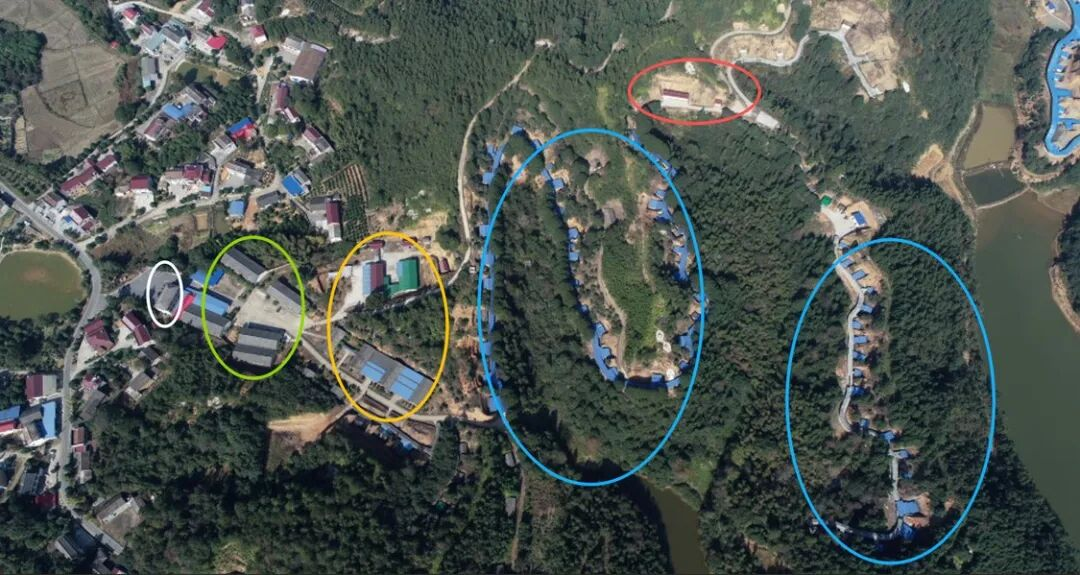
💡A sobering look at why some industries remain resistant to automation and the critical role of safety in AI deployment.
⚡ 30-Second TL;DR
What Changed
Explains the high-risk variables in fireworks production: static electricity, material handling, and human error.
Why It Matters
Provides a cautionary case study on the limits of safety engineering and the persistent danger of human-in-the-loop systems in hazardous industries.
What To Do Next
If you are building AI for industrial safety, focus on predictive monitoring of environmental variables like static electricity and humidity.
Key Points
- •Explains the high-risk variables in fireworks production: static electricity, material handling, and human error.
- •Discusses how cost-cutting (e.g., using nitrocellulose) increases safety risks.
- •Highlights the difficulty of automating high-precision, experience-based manual tasks in dangerous environments.
🧠 Deep Insight
Web-grounded analysis with 19 cited sources.
🔑 Enhanced Key Takeaways
- •Beyond static electricity, specific chemical combinations like chlorates with sulfur or ammonium compounds, and aluminum/magnesium with nitrates, are highly unstable and can spontaneously ignite or explode, especially in the presence of moisture.
- •High ambient temperatures and low humidity environments significantly increase the risk of ignition and intensify chemical reactions in fireworks factories, exacerbating the dangers of static electricity and poorly stored volatile compounds.
- •Illegal production, often conducted in facilities lacking proper conditions and employing workers with insufficient safety awareness, is a major contributor to frequent fireworks and firecracker explosions.
- •Overcrowded sheds, bulk storage, and improper mixing of chemicals, often due to non-compliance with safety regulations, drastically increase blast pressure and the likelihood of mass-casualty events during an ignition.
- •Ammonium perchlorate (AP), a powerful oxidizer used in pyrotechnics, poses significant explosion hazards, particularly when contaminated with impurities or mixed with metal powders or organic substances, and is also toxic.
🛠️ Technical Deep Dive
- Automated Production Lines: Systems are being developed to automate hazardous processes like weighing, mixing, granulation, plate loading, drying, and unloading of fireworks particles, aiming to reduce manual labor and improve consistency.
- AI-Driven Safety and Optimization: AI technologies are used for risk detection, predictive maintenance of equipment, and real-time monitoring of systems and processes in manufacturing. AI algorithms can also optimize the altitude, timing, and trajectory of fireworks for displays and enable simulations to predict environmental impacts like wind conditions.
- Multi-Sensor Safety Mechanisms: Autonomous manufacturing machines integrate real-time, multi-sensor safety features, including LiDAR, thermal imaging, PIR motion detection, gas monitoring, humidity regulation, and metal detection, to halt production instantly upon hazard detection.
- Electronic Firing Systems: Advanced electronic firing systems allow for remote ignition and precise control over the timing and sequencing of fireworks, enhancing safety and enabling synchronized displays.
- Eco-Friendly Materials: Innovations include the development of biodegradable casings, cleaner-burning materials, less-toxic metal salts, and environmentally safer fuels to reduce harmful emissions and pollution.
- Hazardous Chemical Components: Common highly flammable and explosive raw materials include oxidizers like sodium nitrate, potassium perchlorate, and ammonium perchlorate, and combustible materials such as charcoal, sulfur, aluminum powder, and magnesium powder.
- Incompatible Chemical Mixtures: Specific dangerous combinations include chlorates with sulfur (forming explosive chlorine dioxide gas), chlorates with ammonium compounds (forming unstable ammonium chlorate), and aluminum/magnesium with nitrates, which can spontaneously ignite, especially when moist, due to exothermic reactions.
🔮 Future ImplicationsAI analysis grounded in cited sources
⏳ Timeline
📎 Sources (19)
Factual claims are grounded in the sources below. Forward-looking analysis is AI-generated interpretation.
- Google Search Source
- Google Search Source
- Google Search Source
- Google Search Source
- Google Search Source
- Google Search Source
- Google Search Source
- Google Search Source
- Google Search Source
- Google Search Source
- Google Search Source
- Google Search Source
- Google Search Source
- Google Search Source
- Google Search Source
- Google Search Source
- Google Search Source
- Google Search Source
- Google Search Source
Weekly AI Recap
Read this week's curated digest of top AI events →
👉Related Updates

AI-curated news aggregator. All content rights belong to original publishers.
Original source: 虎嗅 ↗