Public Hospitals Downsize Bed Capacity Amid Efficiency Shift
Understand the shifting operational priorities of large-scale healthcare institutions in the AI era.
30-Second TL;DR
What Changed
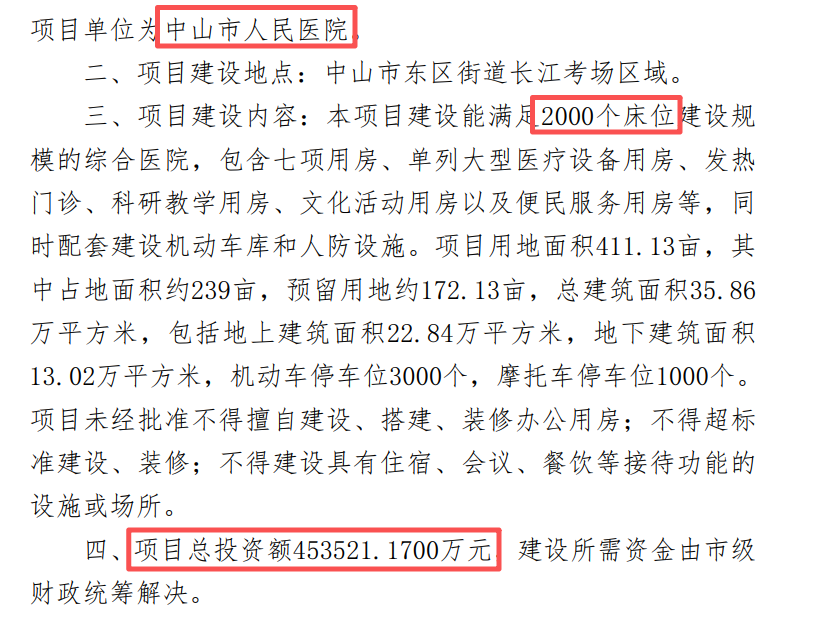
Zhongshan People's Hospital reduced new campus beds from 2000 to 1200.
Why It Matters
The shift away from bed-centric expansion suggests a massive market opportunity for AI-driven hospital management, predictive analytics, and remote patient monitoring systems.
What To Do Next
Develop or integrate AI-based resource allocation tools that help hospitals optimize patient throughput under DRG/DIP constraints.
Key Points
- •Zhongshan People's Hospital reduced new campus beds from 2000 to 1200.
- •National bed counts saw the first decline in 23 years in 2025.
- •DRG/DIP payment reforms are forcing hospitals to optimize costs rather than maximize bed occupancy.
Deep Insight
AI-generated analysis for this event — not the original article.
Enhanced Key Takeaways
- •The shift is heavily influenced by the 'High-Quality Development' policy directive from the National Health Commission, which prioritizes patient turnover rates over total bed volume.
- •Hospitals are increasingly adopting 'Day Surgery' models to reduce average length of stay (ALOS), directly contributing to the reduced necessity for long-term inpatient beds.
- •Financial auditing of public hospitals has intensified, with local governments linking hospital subsidies to cost-efficiency metrics rather than infrastructure expansion.
- •The reduction in bed capacity is also a strategic response to the aging medical workforce, as hospitals struggle to staff existing beds under current labor regulations.
- •Data indicates that while total bed counts are dropping, the proportion of ICU and specialized high-acuity beds is actually increasing to support complex, high-value procedures under DRG reimbursement.
Technical Deep Dive
- DRG (Diagnosis Related Groups) Implementation: A prospective payment system that classifies hospital cases into groups based on clinical complexity and resource consumption, setting fixed reimbursement rates per group.
- DIP (Diagnosis-Intervention Packet) Implementation: A Chinese-specific payment model that uses big data to group diseases and interventions, calculating payment standards based on historical average costs.
- Efficiency Metrics: Hospitals are now tracking 'Bed Turnover Interval' and 'Average Length of Stay' (ALOS) as primary KPIs to minimize the cost-per-case ratio under fixed-fee payment structures.
Future ImplicationsAI analysis grounded in cited sources
Timeline
- 2017-06State Council issues guidelines to accelerate the reform of public hospital compensation mechanisms.
- 2019-05National Healthcare Security Administration launches the first pilot program for DRG payment reform in 30 cities.
- 2021-11National Health Commission releases the '14th Five-Year Plan' for high-quality development of public hospitals.
- 2024-01Full-scale implementation of DRG/DIP payment systems begins across most prefecture-level cities in China.
- 2025-12National statistical data confirms the first year-over-year decline in public hospital bed capacity in 23 years.
Weekly AI Recap
Read this week's curated digest of top AI events →
AI-curated news aggregator. All content rights belong to original publishers.
Original source: 虎嗅 ↗
This is a summary, not the original. Read the source, or get the weekly briefing.
The weekly digest
One email a week. Unsubscribe anytime.