The Grey Market of AI 'Token Resellers' in China
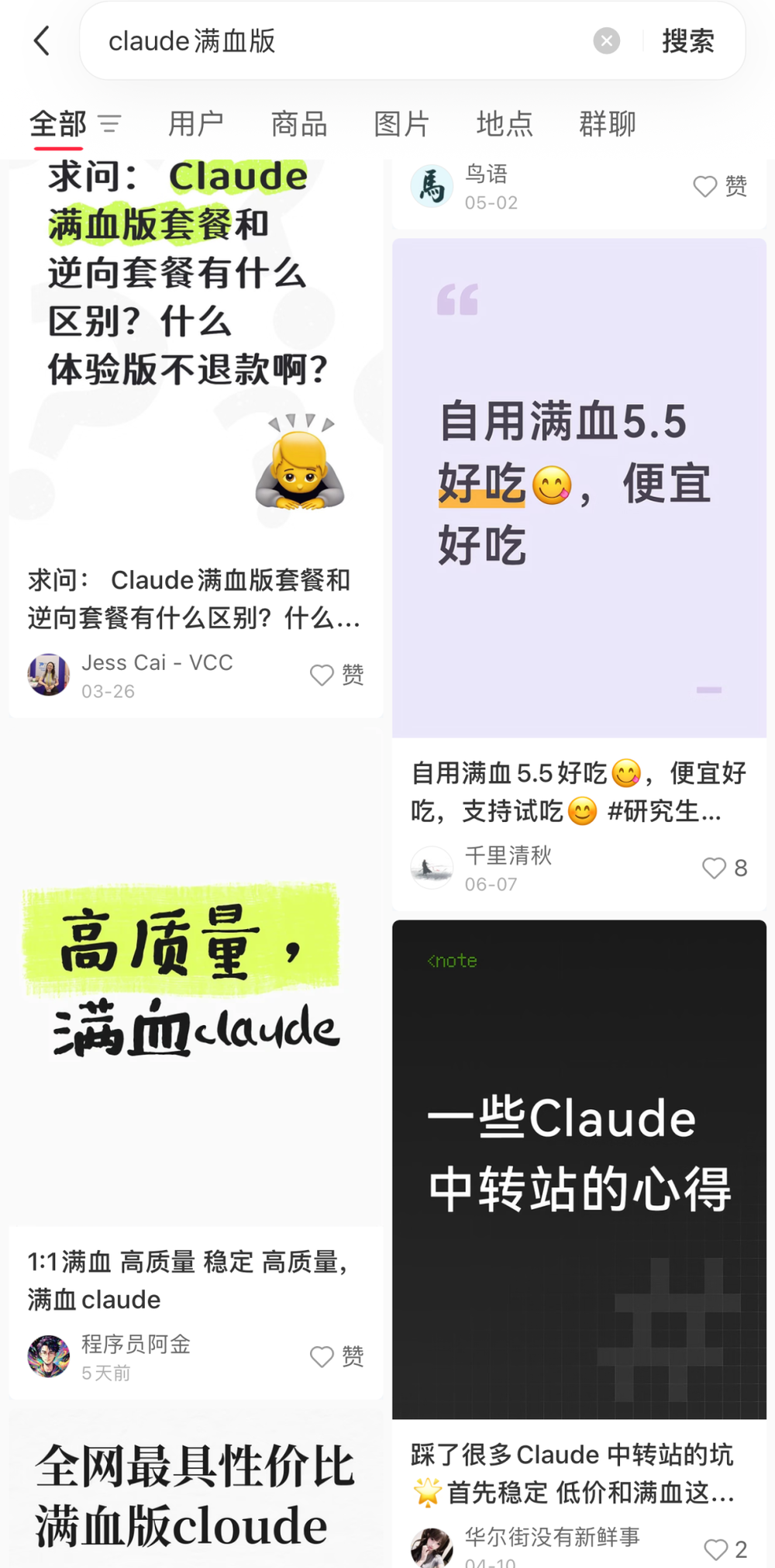
💡Critical warning on the risks of using cheap, third-party AI API resellers for your development projects.
⚡ 30-Second TL;DR
What Changed
Resellers use 'multipliers' to calculate costs, often selling access at a fraction of official prices.
Why It Matters
The crackdown on unauthorized API resellers will likely force developers to seek official, compliant channels, potentially increasing operational costs for AI startups.
What To Do Next
Audit your API supply chain immediately to ensure you are using official, secure endpoints to avoid data leakage and service instability.
Key Points
- •Resellers use 'multipliers' to calculate costs, often selling access at a fraction of official prices.
- •Common scams include 'token watering' (substituting high-end models with cheaper ones) and hidden rate hikes.
- •Operating unauthorized AI API resale services risks charges of illegal business operations.
- •Users face high risks of data leakage when processing sensitive information through third-party intermediaries.
🧠 Deep Insight
AI-generated analysis for this event — not the original article.
🔑 Enhanced Key Takeaways
- •Resellers frequently exploit 'API key pooling' techniques, where a single enterprise-grade API key is shared across thousands of unauthorized end-users to bypass individual rate limits and regional access restrictions.
- •The market relies heavily on 'shadow infrastructure' providers who utilize VPNs and proxy networks to mask the geographic origin of API requests, making it difficult for model providers like OpenAI or Anthropic to detect and ban these accounts.
- •Payment processing for these grey market services often utilizes decentralized cryptocurrencies or domestic Chinese third-party payment platforms that lack transparency, complicating efforts by authorities to track financial flows.
- •Many resellers have integrated these unauthorized APIs into 'wrapper' applications or WeChat mini-programs, which often lack the robust data encryption standards required by China's Personal Information Protection Law (PIPL).
- •There is an emerging trend of 'API arbitrage' where resellers leverage promotional credits or free-tier quotas from various AI startups to offer services at near-zero marginal cost, further destabilizing the pricing models of legitimate providers.
🛠️ Technical Deep Dive
- API Key Pooling: Implementation of middleware that acts as a load balancer to distribute requests from multiple users across a limited set of authorized API keys.
- Request Header Spoofing: Modification of HTTP headers, specifically the 'Origin' and 'User-Agent' fields, to mimic traffic from authorized regions or enterprise environments.
- Token Watering Mechanism: Use of automated routing logic that detects the model requested by the user and dynamically switches the backend API call to a lower-cost, lower-performance model while returning a spoofed response header.
- Latency Injection: Intentional delay mechanisms used by resellers to mask the time taken for the proxy server to relay requests to the actual model provider, preventing detection via time-to-first-token (TTFT) analysis.
🔮 Future ImplicationsAI analysis grounded in cited sources
⏳ Timeline
Weekly AI Recap
Read this week's curated digest of top AI events →
👉Related Updates

AI-curated news aggregator. All content rights belong to original publishers.
Original source: 虎嗅 ↗
This is a summary, not the original. Read the source, or get the weekly briefing.
Weekly AI briefing
One email a week. Unsubscribe anytime.