The Golden Five Years of Fly Ash Resource Utilization
Understand the evolving industrial standards and technical challenges in large-scale hazardous waste management.
30-Second TL;DR
What Changed
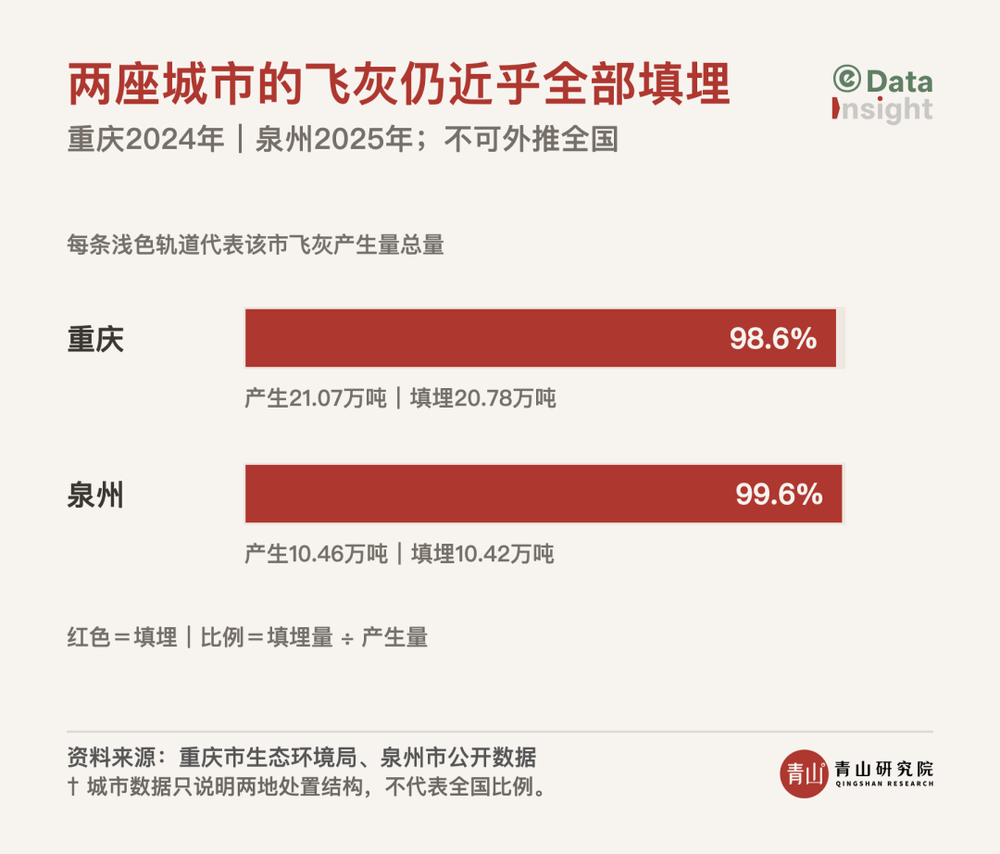
New regulations aim to limit hazardous waste landfilling to under 10% by 2030.
Why It Matters
The industry is moving toward high-tech, integrated waste treatment solutions, creating opportunities for specialized environmental engineering firms.
What To Do Next
Evaluate the feasibility of integrating AI-driven monitoring systems into waste treatment facilities to optimize energy consumption and chemical usage.
Key Points
- •New regulations aim to limit hazardous waste landfilling to under 10% by 2030.
- •Resource utilization requires balancing complex technical routes like water washing, thermal decomposition, and melting.
- •The business model is shifting from simple disposal to providing comprehensive, traceable waste management services.
Deep Insight
AI-generated analysis for this event — not the original article.
Enhanced Key Takeaways
- •Fly ash is increasingly being processed to extract high-value rare earth elements (REEs) and aluminum, transforming it from a waste liability into a strategic mineral feedstock.
- •The integration of AI-driven sorting and real-time chemical composition analysis is significantly reducing the energy intensity of fly ash beneficiation processes.
- •Carbon capture and storage (CCS) technologies are being co-located with coal-fired power plants to mineralize CO2 using fly ash, creating carbon-negative construction materials.
- •Standardization of fly ash quality for high-performance concrete (HPC) is becoming a critical barrier to entry, with new certification frameworks emerging to ensure structural integrity.
- •The circular economy model is incentivizing 'industrial symbiosis' where fly ash producers and cement manufacturers form localized clusters to minimize transportation-related carbon footprints.
Technical Deep Dive
- Water Washing: Utilizes multi-stage leaching to remove soluble salts like chlorides and sulfates, improving the pozzolanic activity of the ash.
- Thermal Decomposition: Employs high-temperature calcination (typically 800-1000 degrees Celsius) to eliminate residual carbon (LOI - Loss on Ignition) and activate glassy phases.
- Melting/Vitrification: Uses plasma arc or electric furnace technology to convert fly ash into inert, glass-like slag, effectively immobilizing heavy metals for use in high-strength aggregates.
- Mineral Carbonation: Exposes fly ash to concentrated CO2 streams under controlled pressure and temperature to form stable carbonate minerals, sequestering carbon while enhancing material density.
Future ImplicationsAI analysis grounded in cited sources
Timeline
- 2021-03China's 14th Five-Year Plan emphasizes the comprehensive utilization of bulk solid waste, including fly ash.
- 2023-07National standards for fly ash in high-performance concrete are updated to reflect higher utilization requirements.
- 2025-01Implementation of stricter provincial-level hazardous waste landfill bans accelerates the adoption of thermal treatment technologies.
Weekly AI Recap
Read this week's curated digest of top AI events →
AI-curated news aggregator. All content rights belong to original publishers.
Original source: 虎嗅 ↗
This is a summary, not the original. Read the source, or get the weekly briefing.
The weekly digest
One email a week. Unsubscribe anytime.