The Evolution of Middle-Floor Retail Strategy
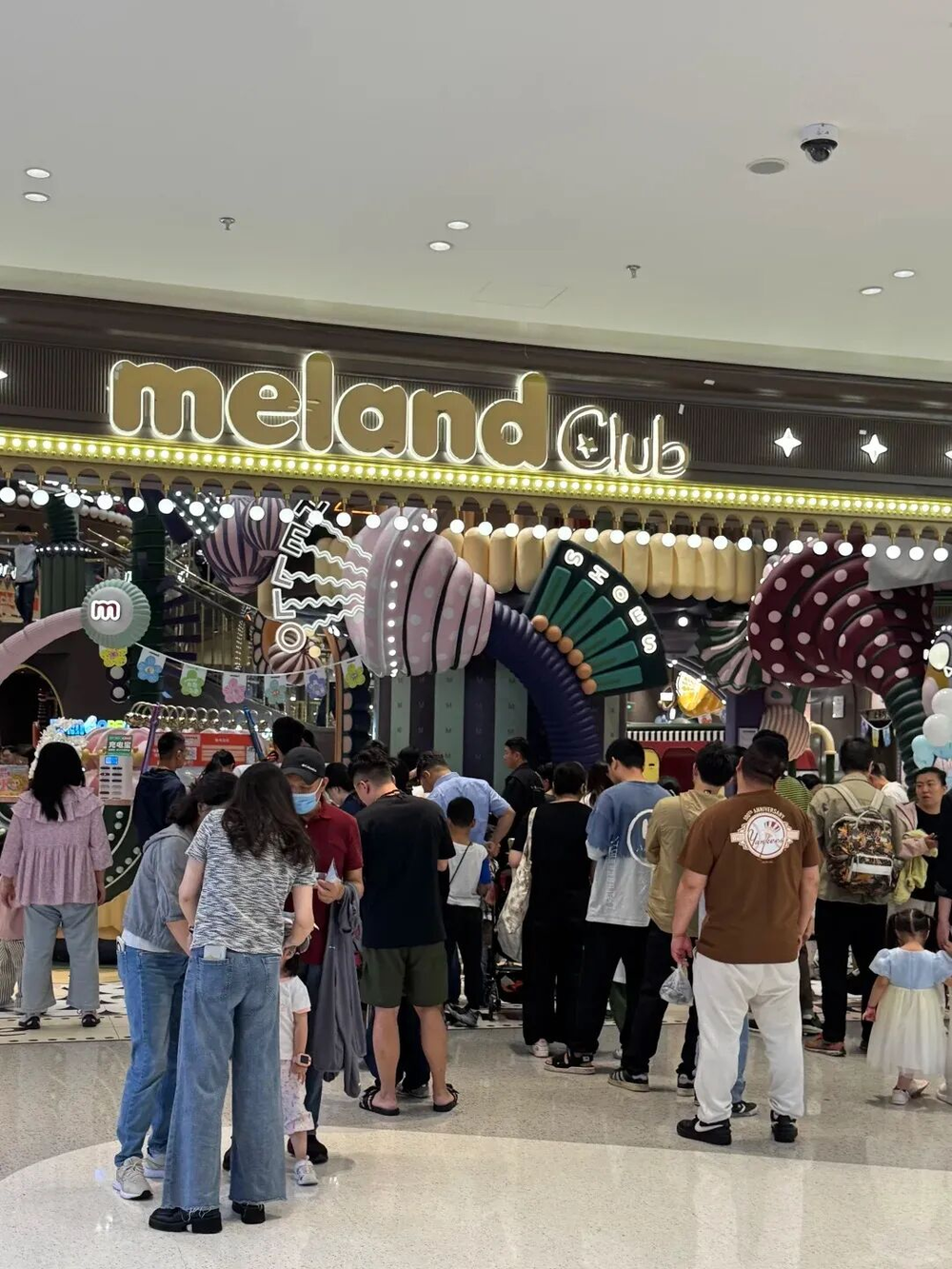
💡Understand how shifting consumer behavior is forcing a total redesign of physical retail space and store placement.
⚡ 30-Second TL;DR
What Changed
Traditional floor-based retail logic is failing due to shifts in consumer habits and online competition.
Why It Matters
Provides insights for retail tech and O2O businesses on how to optimize physical store placement in an era where traditional mall navigation is becoming obsolete.
What To Do Next
If you are building an O2O or retail-tech product, analyze how your store-location algorithms account for non-traditional, cross-floor consumer movement patterns.
Key Points
- •Traditional floor-based retail logic is failing due to shifts in consumer habits and online competition.
- •Children's, women's, and sportswear categories are being redistributed across the entire mall rather than confined to specific floors.
- •New strategies include 'plug-in' branding, where brands leverage the prestige of neighboring stores to gain market positioning.
- •Mall operators must move away from rigid floor-based zoning to more fluid, experience-driven layouts.
🧠 Deep Insight
AI-generated analysis for this event — not the original article.
🔑 Enhanced Key Takeaways
- •The 'middle-floor' decline is heavily driven by the rise of 'community-based' retail, where malls are transitioning into 'third spaces' that prioritize social interaction over pure transaction volume.
- •Data analytics platforms are now being integrated into mall management systems to track 'dwell time' and 'heat maps,' allowing operators to dynamically adjust floor layouts based on real-time foot traffic rather than static zoning.
- •The 'plug-in' strategy is often facilitated by 'pop-up' leasing models, which allow malls to reduce long-term vacancy risks while testing new brand concepts in high-traffic zones previously reserved for anchor tenants.
- •Omnichannel integration has forced physical stores to act as 'fulfillment hubs' for online orders, necessitating a shift in floor space allocation from pure display to logistics and 'click-and-collect' zones.
- •Sustainability mandates and energy efficiency regulations are pushing mall operators to consolidate retail footprints, leading to the repurposing of underutilized middle floors into co-working spaces or entertainment venues.
🔮 Future ImplicationsAI analysis grounded in cited sources
⏳ Timeline
Weekly AI Recap
Read this week's curated digest of top AI events →
👉Related Updates



AI-curated news aggregator. All content rights belong to original publishers.
Original source: 虎嗅 ↗
This is a summary, not the original. Read the source, or get the weekly briefing.
The weekly digest
One email a week. Unsubscribe anytime.