來源虎嗅•較早收集於 20m
商場中間樓層的零售策略演變
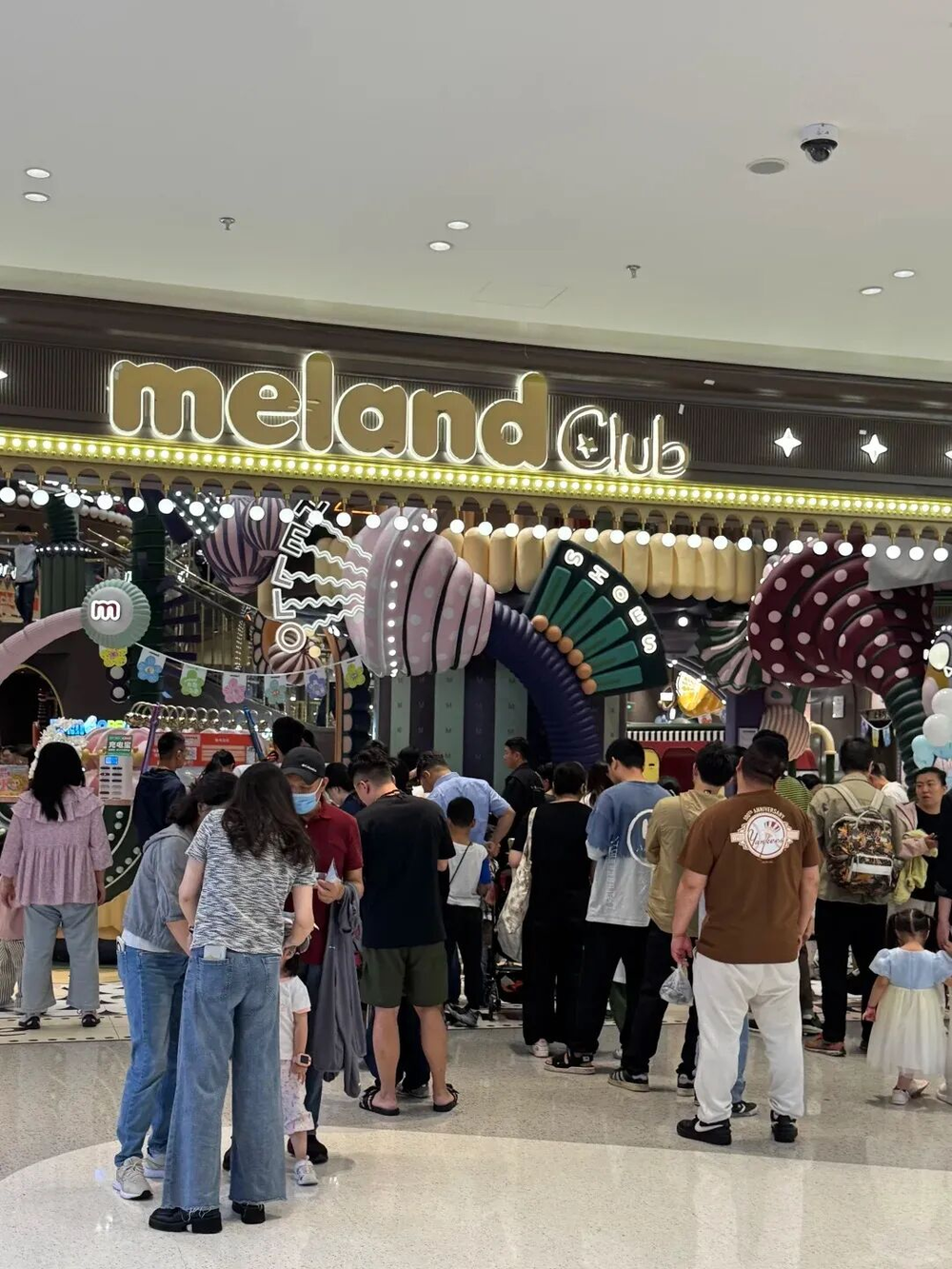
💡了解消費者行為的改變如何迫使實體零售空間與店鋪選址進行全面重構。
⚡ 30 秒速覽
有什麼變化
傳統基於樓層的零售邏輯因消費者習慣改變與線上競爭而失效。
為什麼重要
為零售科技與 O2O 企業提供洞察,說明在傳統商場導航逐漸過時的時代,如何優化實體店鋪位置。
下一步行動
如果您正在構建 O2O 或零售科技產品,請分析您的店鋪選址演算法如何考慮非傳統、跨樓層的消費者移動模式。
誰應關注:Founders & Product Leaders
關鍵要點
- •傳統基於樓層的零售邏輯因消費者習慣改變與線上競爭而失效。
- •兒童、女裝與運動品類正被重新分配至商場各處,而非侷限於特定樓層。
- •新策略包括「插班生」品牌法,即品牌藉助鄰近店鋪的聲望來獲取市場定位。
- •商場運營商必須從僵化的樓層分區轉向更靈活、體驗驅動的佈局。
🧠 深度解析
本篇為 AI 生成分析,非原文內容。
🔑 增強重點摘要
- •The 'middle-floor' decline is heavily driven by the rise of 'community-based' retail, where malls are transitioning into 'third spaces' that prioritize social interaction over pure transaction volume.
- •Data analytics platforms are now being integrated into mall management systems to track 'dwell time' and 'heat maps,' allowing operators to dynamically adjust floor layouts based on real-time foot traffic rather than static zoning.
- •The 'plug-in' strategy is often facilitated by 'pop-up' leasing models, which allow malls to reduce long-term vacancy risks while testing new brand concepts in high-traffic zones previously reserved for anchor tenants.
- •Omnichannel integration has forced physical stores to act as 'fulfillment hubs' for online orders, necessitating a shift in floor space allocation from pure display to logistics and 'click-and-collect' zones.
- •Sustainability mandates and energy efficiency regulations are pushing mall operators to consolidate retail footprints, leading to the repurposing of underutilized middle floors into co-working spaces or entertainment venues.
🔮 前景展望基於引用來源的 AI 分析
Static floor zoning will become obsolete by 2030.
The rapid adoption of AI-driven space management tools allows for fluid, demand-based leasing that renders traditional fixed-category floor plans economically inefficient.
Mall vacancy rates will correlate with the speed of digital infrastructure adoption.
Properties that fail to integrate IoT-based foot traffic analytics and omnichannel logistics will struggle to compete with digitally-native retail environments.
⏳ 時間線
2018-05
Initial shift toward 'experience-first' retail models begins in major Chinese urban centers.
2021-11
Acceleration of digital transformation in retail malls due to post-pandemic consumer behavior changes.
2024-03
Widespread adoption of 'plug-in' and pop-up retail strategies by major commercial real estate developers.
📰
AI 週報
閱讀本週精選 AI 大事摘要 →
👉相關動態


AI 策展新聞聚合。所有內容版權歸原始發布者所有。
原始來源: 虎嗅 ↗
每週電子報
每週一封,可隨時退訂。