China's Silver Economy: A New Demographic Opportunity
💡Understand the massive 30 trillion RMB market shift toward elderly care to align your AI product roadmap.
⚡ 30-Second TL;DR
What Changed
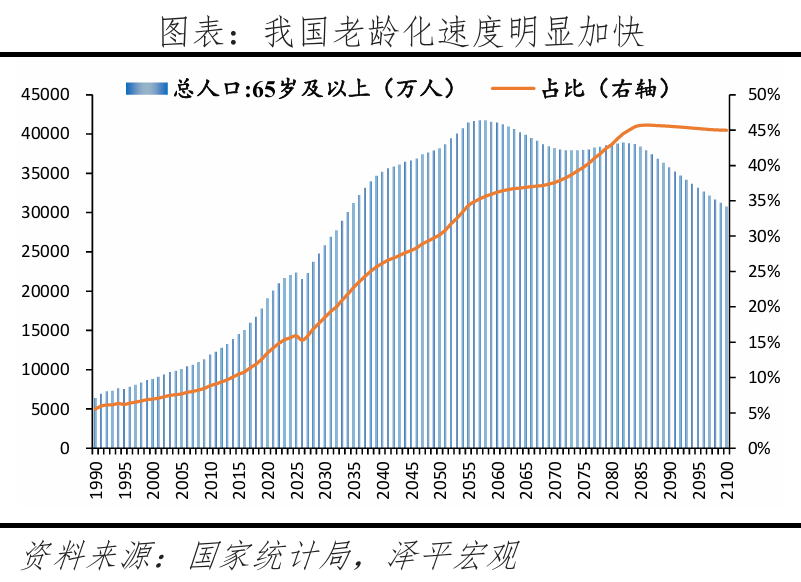
China's 60+ population reached 320 million, projected to exceed 400 million by 2035.
Why It Matters
The shift toward an aging society creates massive demand for AI-driven health monitoring, smart home automation, and personalized elderly care services.
What To Do Next
Analyze demographic data to identify regions with high concentrations of retirees to deploy localized AI health-tech solutions.
Key Points
- •China's 60+ population reached 320 million, projected to exceed 400 million by 2035.
- •Regional governments are actively competing to attract retirees via healthcare and lifestyle infrastructure.
- •The silver economy is expected to grow from 9 trillion RMB in 2025 to 30 trillion RMB by 2035.
🧠 Deep Insight
AI-generated analysis for this event — not the original article.
🔑 Enhanced Key Takeaways
- •The State Council issued the 'Opinions on Developing the Silver Economy and Improving the Well-being of the Elderly' in early 2024, marking the first national-level policy document specifically targeting the silver economy as a strategic pillar.
- •China's silver economy is increasingly shifting toward 'smart elderly care' (AI-driven monitoring, robotics, and IoT health devices) to address the shortage of professional caregivers for the rapidly expanding elderly population.
- •Financial institutions are launching specialized 'silver finance' products, including long-term care insurance and elderly-specific wealth management funds, to capture the estimated 30 trillion RMB market potential.
- •The 'Silver Economy' is being integrated into the 'Dual Circulation' strategy, with a focus on domestic consumption of high-quality healthcare services and leisure products to offset slowing growth in other sectors.
- •There is a growing trend of 'intergenerational housing' and 'elderly-friendly renovation' programs in Tier-1 cities, supported by government subsidies to allow seniors to 'age in place' rather than moving to institutional facilities.
🔮 Future ImplicationsAI analysis grounded in cited sources
⏳ Timeline
Weekly AI Recap
Read this week's curated digest of top AI events →
👉Related Updates



AI-curated news aggregator. All content rights belong to original publishers.
Original source: 虎嗅 ↗
This is a summary, not the original. Read the source, or get the weekly briefing.
The weekly digest
One email a week. Unsubscribe anytime.