Tesla’s Steering-Wheel-Free Robotaxi Debate
💡The real autonomous-driving test may be liability, not another flashy demo.
⚡ 30-Second TL;DR
What Changed
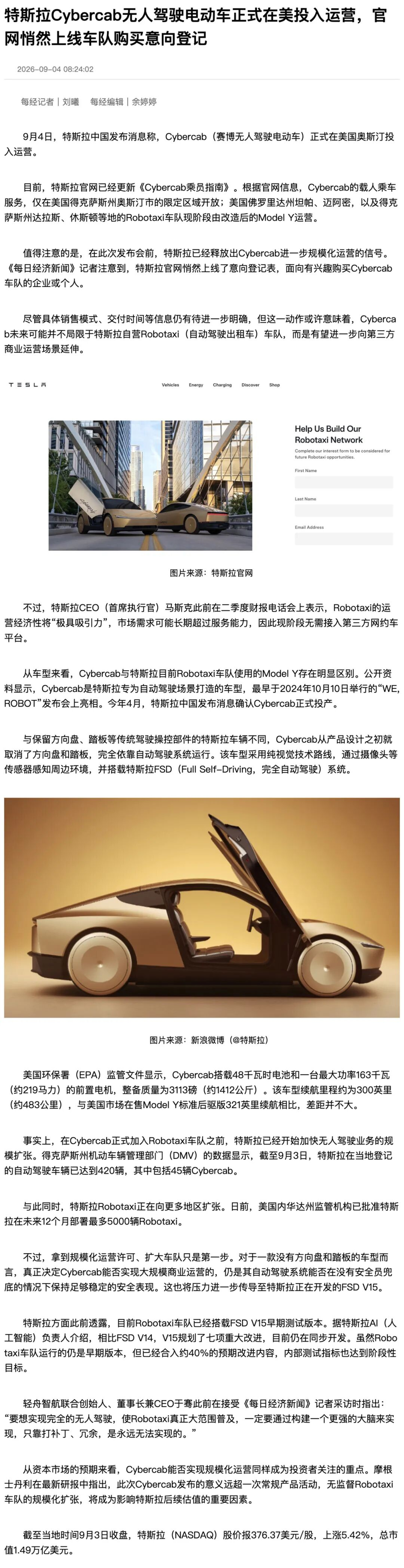
A vehicle without a steering wheel leaves passengers with no practical way to intervene during operation.
Why It Matters
If steering-wheel-free robotaxis scale, liability would shift more clearly from passengers to fleet operators or manufacturers. This could influence autonomous-vehicle insurance, compliance, product architecture, and deployment economics.
What To Do Next
Before integrating autonomous-driving features, map every failure mode to a contractual liability owner and verify the applicable insurance coverage.
Key Points
- •A vehicle without a steering wheel leaves passengers with no practical way to intervene during operation.
- •The author frames liability, compensation, and potential criminal responsibility as the core test of autonomous-driving readiness.
- •Current driver-assistance deployments may provide manufacturers with user data and revenue while leaving consumers exposed to legal responsibility.
- •The article suggests that insurance design and explicit manufacturer liability are necessary alongside further technical development.
Weekly AI Recap
Read this week's curated digest of top AI events →
👉Related Updates



AI-curated news aggregator. All content rights belong to original publishers.
Original source: 虎嗅 ↗
This is a summary, not the original. Read the source, or get the weekly briefing.
Weekly AI briefing
One email a week. Unsubscribe anytime.