Tesla FSD Faces Europe’s Regulatory Maze
💡Europe’s FSD approval battle shows why safety averages are not enough for autonomous-driving deployment.
⚡ 30-Second TL;DR
What Changed
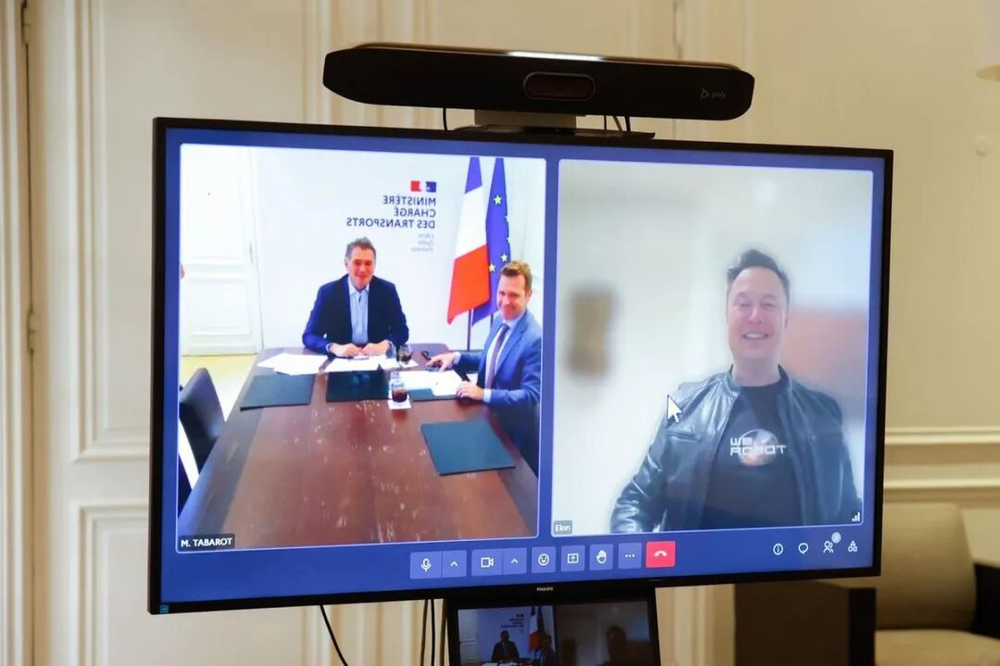
France authorized two Tesla vehicles with FSD Supervised for public-road testing after discussions between its transport minister and Elon Musk.
Why It Matters
For autonomous-driving developers, regulatory approval is becoming as important as model performance. Historical safety data may also lose relevance quickly as software versions, training data, and vehicle compute platforms change.
What To Do Next
Before deploying a supervised-driving model in Europe, map its functions against UN R171 requirements and build a versioned incident dataset that records interventions, fault attribution, and road conditions.
Key Points
- •France authorized two Tesla vehicles with FSD Supervised for public-road testing after discussions between its transport minister and Elon Musk.
- •FSD Supervised has been approved for testing in the Netherlands, Belgium, Denmark, Estonia, Lithuania, and the UK.
- •Tesla reported 1.02 billion kilometers and 12 collisions across five countries, claiming a collision rate 4.1 times lower than human driving.
- •The collision figures do not disclose locations, driver interventions, responsibility, or detailed circumstances, limiting their usefulness for safety validation.
- •The European Union is scheduled to vote on broader approval, requiring support from 15 member states representing 65% of the population.
Weekly AI Recap
Read this week's curated digest of top AI events →
👉Related Updates


AI-curated news aggregator. All content rights belong to original publishers.
Original source: 虎嗅 ↗
This is a summary, not the original. Read the source, or get the weekly briefing.
Weekly AI briefing
One email a week. Unsubscribe anytime.