Tesla Cybercab Launch Hits Regulatory Headwinds
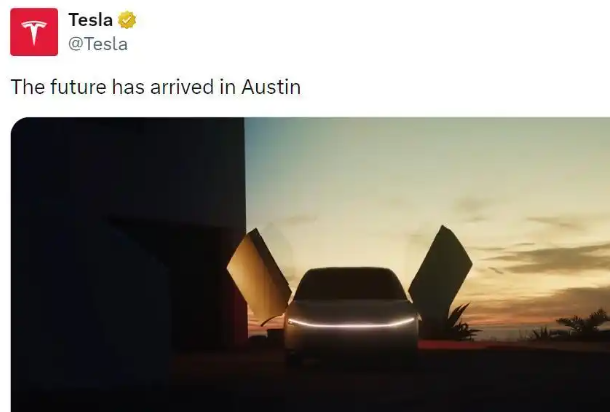
💡Cybercab promises 80% lower ride costs, but NHTSA scrutiny and real-world failures challenge Tesla’s rollout.
⚡ 30-Second TL;DR
What Changed
Cybercab operates without a steering wheel, pedals, or mirrors and is designed specifically for autonomous ride-hailing.
Why It Matters
Cybercab could materially reduce robotaxi operating costs by eliminating driver labor, but regulatory approval, reliability, and fleet scale remain major commercialization constraints. For AI companies, the launch illustrates that autonomous systems require operational safety evidence and compliance infrastructure—not just impressive demonstrations.
What To Do Next
Before integrating autonomous-vehicle APIs, build a safety evaluation suite covering route completion, pickup accuracy, fallback behavior, and regulatory audit logs.
Key Points
- •Cybercab operates without a steering wheel, pedals, or mirrors and is designed specifically for autonomous ride-hailing.
- •Tesla’s Robotaxi app now presents two options: a two-seat Cybercab and a four-seat Model Y.
- •NHTSA is auditing approximately 1,000 Cybercabs, focusing on Tesla’s federal safety-standard compliance process and technical data.
- •The Austin fleet reportedly includes only about 45 Cybercabs, highlighting the gap between the launch narrative and current scale.
- •Tesla estimates operating costs of $0.20 per mile, while external estimates put mass-production costs at $0.21–$0.25 per mile.
Weekly AI Recap
Read this week's curated digest of top AI events →
👉Related Updates



AI-curated news aggregator. All content rights belong to original publishers.
Original source: 虎嗅 ↗
This is a summary, not the original. Read the source, or get the weekly briefing.
Weekly AI briefing
One email a week. Unsubscribe anytime.