Tesla Autopilot involved in fatal Texas home crash
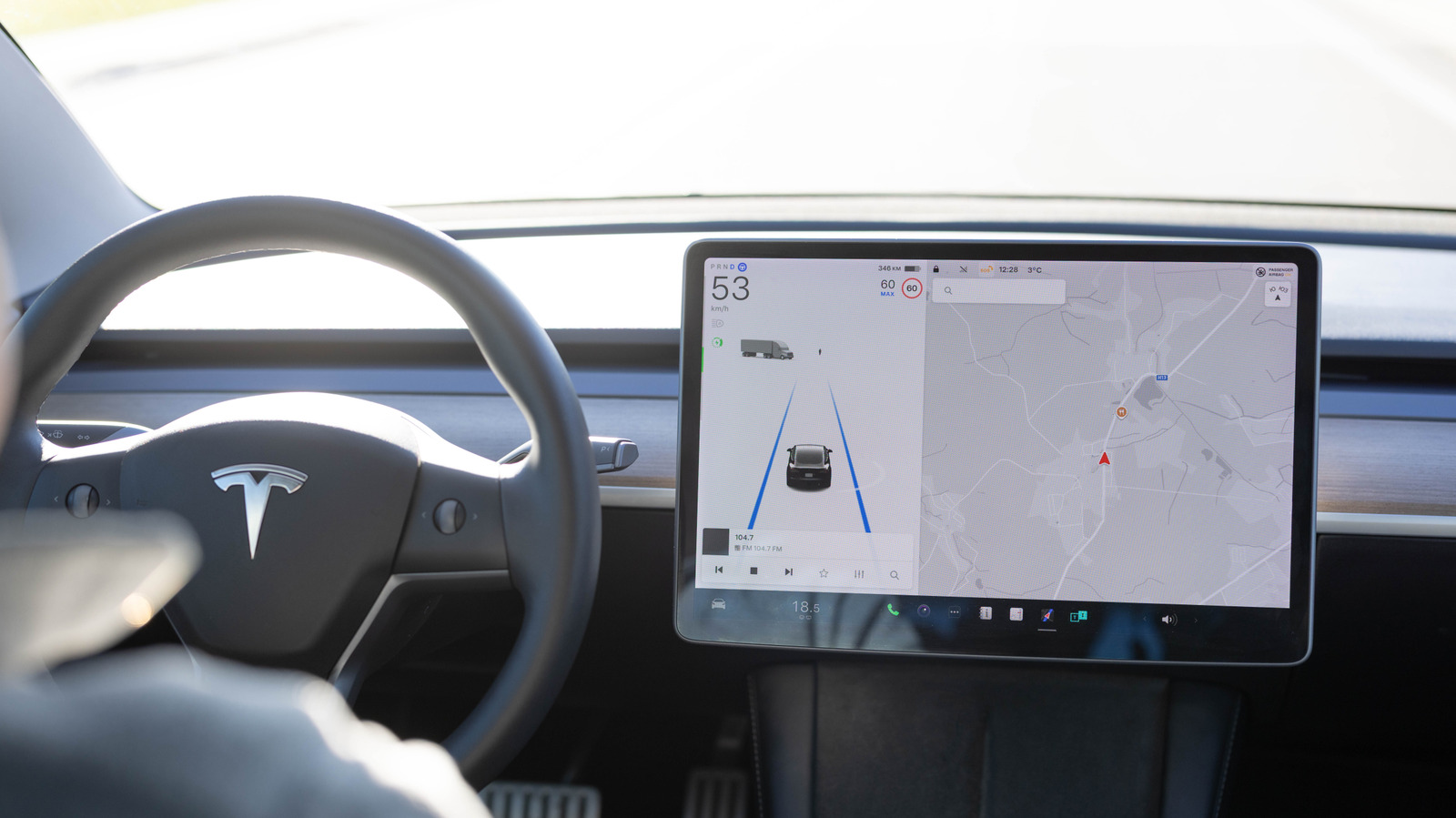
Critical safety incident involving Tesla's automated driving system; vital for developers working on autonomous safety.
30-Second TL;DR
What Changed
Fatal crash involving Tesla automated driving system
Why It Matters
This incident highlights the critical safety challenges in Level 2+ autonomous systems. It may lead to increased regulatory scrutiny and potential changes in how manufacturers communicate system limitations to users.
What To Do Next
Review your autonomous system's edge-case handling protocols and ensure robust fail-safe mechanisms are prioritized in your safety documentation.
Key Points
- •Fatal crash involving Tesla automated driving system
- •Incident occurred in Katy, Texas
- •Ongoing investigation into system engagement status
Deep Insight
AI-generated analysis for this event — not the original article.
Enhanced Key Takeaways
- •The National Highway Traffic Safety Administration (NHTSA) has opened a formal investigation into the Katy, Texas incident to determine if Autopilot's object detection software failed to identify the residential structure.
- •Local law enforcement reports indicate that data logs recovered from the vehicle suggest the driver did not apply the brakes in the seconds leading up to the impact.
- •This incident marks the third reported fatality involving Tesla's driver-assistance systems in the Greater Houston area since 2024.
- •Tesla's legal team has invoked the 'driver-in-the-loop' defense, maintaining that the system requires constant human supervision and is not a fully autonomous product.
- •Consumer advocacy groups have petitioned the Department of Transportation to mandate stricter geofencing for Tesla's automated systems in residential zones following this crash.
Competitor Analysis
- Tesla Autopilot/FSD
- Level 2 ADAS
- Waymo Driver
- Level 4 Autonomous
- Cruise AV
- Level 4 Autonomous
- Tesla Autopilot/FSD
- Public Roads (Any)
- Waymo Driver
- Geofenced Cities
- Cruise AV
- Geofenced Cities
- Tesla Autopilot/FSD
- Vision-Only (Tesla Vision)
- Waymo Driver
- LiDAR, Radar, Cameras
- Cruise AV
- LiDAR, Radar, Cameras
- Tesla Autopilot/FSD
- Subscription/One-time
- Waymo Driver
- Ride-hailing fee
- Cruise AV
- Ride-hailing fee
| Feature | Tesla Autopilot/FSD | Waymo Driver | Cruise AV |
|---|---|---|---|
| System Type | Level 2 ADAS | Level 4 Autonomous | Level 4 Autonomous |
| Operational Domain | Public Roads (Any) | Geofenced Cities | Geofenced Cities |
| Sensor Suite | Vision-Only (Tesla Vision) | LiDAR, Radar, Cameras | LiDAR, Radar, Cameras |
| Pricing | Subscription/One-time | Ride-hailing fee | Ride-hailing fee |
Technical Deep Dive
- Tesla Vision architecture relies exclusively on a suite of eight external cameras and neural network processing to interpret environmental data.
- The system utilizes a transformer-based neural network to predict object trajectories and depth, which has faced scrutiny regarding its ability to classify stationary objects like buildings or emergency vehicles.
- Data logs (EDR) capture vehicle speed, steering angle, brake status, and system engagement state at 5Hz frequency.
- Autopilot's 'Traffic-Aware Cruise Control' and 'Autosteer' features are designed to disengage if the system detects a lack of torque on the steering wheel, though bypass methods remain a safety concern.
Future ImplicationsAI analysis grounded in cited sources
Timeline
- 2015-10Tesla releases Autopilot software update 7.0 for Model S.
- 2021-05Tesla transitions to 'Tesla Vision' (camera-only) for Model 3 and Model Y.
- 2023-12Tesla issues a massive recall of over 2 million vehicles to update Autopilot safety controls.
- 2025-03NHTSA expands its probe into Tesla's automated driving software following a series of low-visibility crashes.
- 2026-06Fatal crash occurs in Katy, Texas, triggering a new federal investigation.
Weekly AI Recap
Read this week's curated digest of top AI events →
Related Updates

AI-curated news aggregator. All content rights belong to original publishers.
Original source: Engadget ↗
This is a summary, not the original. Read the source, or get the weekly briefing.
The weekly digest
One email a week. Unsubscribe anytime.