Teamsters Sue California Over Autonomous Trucks
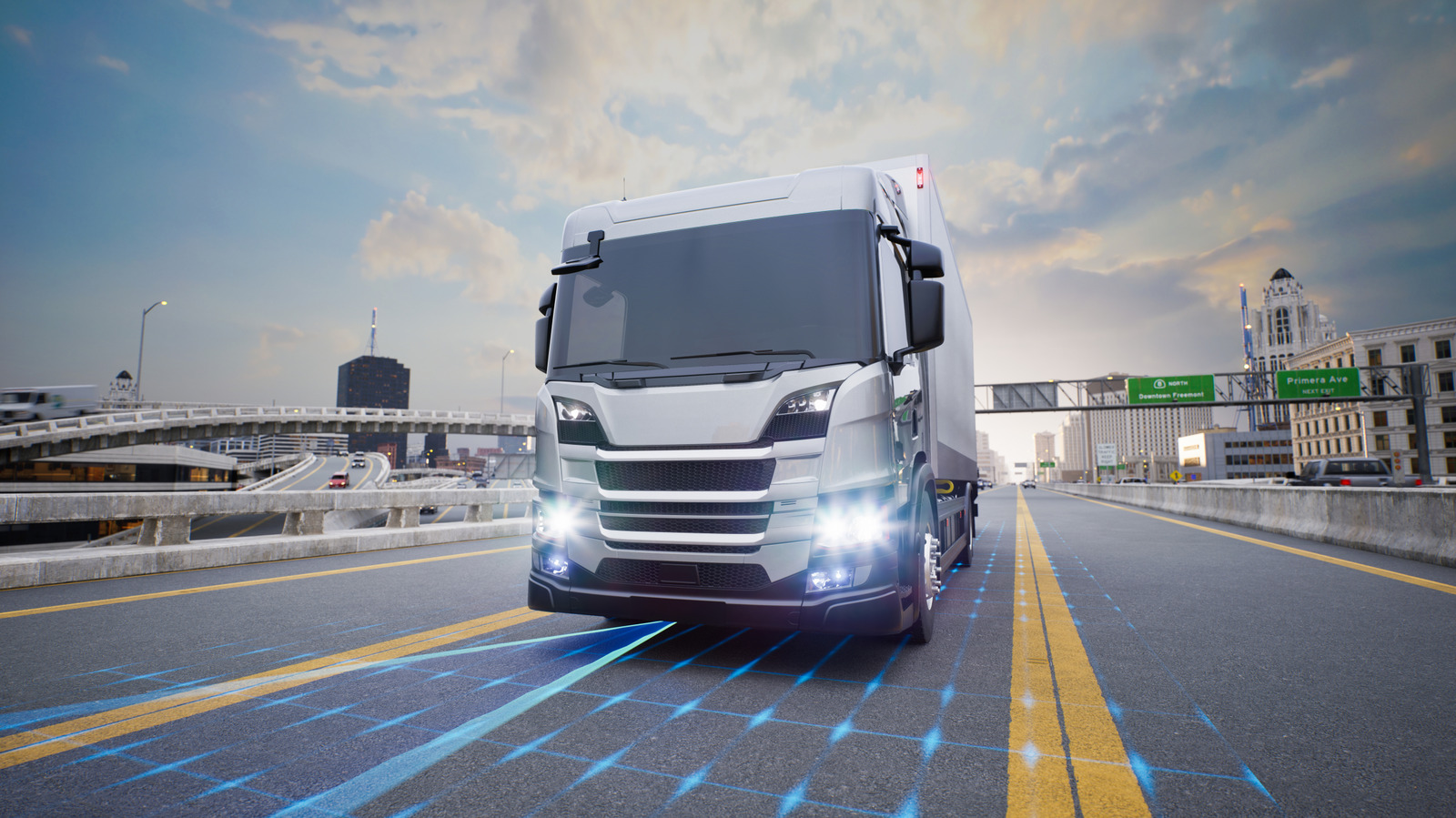
A major labor lawsuit could reshape the regulatory runway for autonomous trucking.
30-Second TL;DR
What Changed
California Teamsters filed a lawsuit against the state
Why It Matters
The lawsuit could influence how quickly autonomous trucking is deployed in California. For AI logistics companies, the dispute highlights the importance of labor policy, safety rules, and regulatory risk in commercialization plans.
What To Do Next
Add California autonomous-vehicle labor and safety regulations to your compliance checklist before piloting AI-driven trucking operations.
Key Points
- •California Teamsters filed a lawsuit against the state
- •The dispute concerns regulations for self-driving trucks
- •The union estimates that approximately 400,000 jobs could be affected
Deep Insight
AI-generated analysis for this event — not the original article.
Enhanced Key Takeaways
- •The lawsuit specifically challenges the California Department of Motor Vehicles' (DMV) authority to issue permits for autonomous heavy-duty trucks without explicit legislative approval.
- •The Teamsters argue that the current regulatory framework fails to mandate a human safety operator in the cab, which they contend violates public safety standards.
- •California's autonomous vehicle regulations have historically been limited to passenger vehicles, making the expansion into heavy-duty trucking a significant legal and policy shift.
- •Industry proponents, including companies like Aurora Innovation and Kodiak Robotics, argue that autonomous trucking is necessary to address the chronic shortage of long-haul drivers.
- •The legal challenge centers on the interpretation of the California Vehicle Code and whether the DMV exceeded its administrative mandate by bypassing the state legislature on this issue.
Technical Deep Dive
- Autonomous trucking systems typically utilize a sensor fusion architecture combining LiDAR, radar, and high-resolution cameras for 360-degree perception.
- Level 4 autonomy in trucks relies on redundant braking and steering systems to ensure the vehicle can achieve a 'minimal risk condition' in the event of a primary system failure.
- V2X (Vehicle-to-Everything) communication protocols are being integrated to allow trucks to receive real-time traffic and infrastructure data, enhancing safety beyond line-of-sight sensors.
- Motion planning algorithms for heavy-duty autonomous vehicles must account for significantly longer stopping distances and larger turning radii compared to passenger vehicles.
Future ImplicationsAI analysis grounded in cited sources
Timeline
- 2023-05California DMV proposes regulations to allow autonomous heavy-duty trucks on public roads.
- 2023-08Teamsters union launches a public campaign opposing the expansion of autonomous trucking in California.
- 2024-01California legislature considers AB 316, which would have required human drivers in heavy-duty autonomous trucks.
- 2024-09Governor Newsom vetoes AB 316, allowing the DMV to proceed with autonomous trucking regulations.
- 2026-07Teamsters union officially files a lawsuit against the state of California regarding autonomous truck regulations.
Weekly AI Recap
Read this week's curated digest of top AI events →
Related Updates

AI-curated news aggregator. All content rights belong to original publishers.
Original source: Engadget ↗
This is a summary, not the original. Read the source, or get the weekly briefing.
The weekly digest
One email a week. Unsubscribe anytime.