T-Pop's transition from viral hits to industrial growth
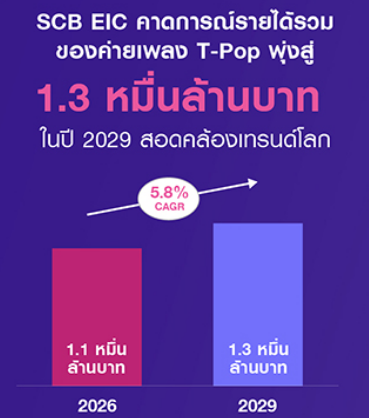
💡Learn how T-Pop is scaling through fan-centric data strategies rather than just viral content.
⚡ 30-Second TL;DR
What Changed
Shift from viral hit reliance to building a sustainable super-fan ecosystem.
Why It Matters
The professionalization of T-Pop suggests a new competitive force in the Asian entertainment market, offering lessons for content-driven AI recommendation and fan engagement strategies.
What To Do Next
Analyze the fan-engagement data models used by T-Pop platforms to optimize your own user retention and community building strategies.
Key Points
- •Shift from viral hit reliance to building a sustainable super-fan ecosystem.
- •Strategic partnerships with global platforms like Tencent Music Entertainment.
- •Government-backed initiatives to facilitate international music festival participation.
- •High monetization efficiency from the top 1.9% of 'super-fans' contributing 42% of revenue.
🧠 Deep Insight
AI-generated analysis for this event — not the original article.
🔑 Enhanced Key Takeaways
- •The 'T-Pop' industry is increasingly leveraging the 'Soft Power' strategy under Thailand's National Soft Power Strategy Committee, which provides direct subsidies for music export and international touring.
- •Data analytics platforms are now being integrated into talent management agencies to track cross-platform engagement, allowing for real-time adjustments to marketing spend based on fan sentiment in China and Southeast Asia.
- •The rise of 'T-Pop' idols is heavily intertwined with the 'BL (Boys' Love) economy,' where production houses now bundle music releases directly into the distribution deals of streaming series to guarantee initial listener bases.
- •Local Thai labels are shifting from traditional 360-degree contracts to modular partnership models that allow for greater flexibility in digital distribution and merchandise licensing with international partners.
- •The industry is experiencing a significant shift in revenue composition, with live event ticketing and high-end fan-meet experiences now outpacing traditional streaming royalties as the primary income driver for top-tier agencies.
🔮 Future ImplicationsAI analysis grounded in cited sources
⏳ Timeline
Weekly AI Recap
Read this week's curated digest of top AI events →
👉Related Updates
AI-curated news aggregator. All content rights belong to original publishers.
Original source: 虎嗅 ↗
This is a summary, not the original. Read the source, or get the weekly briefing.
Weekly AI briefing
One email a week. Unsubscribe anytime.