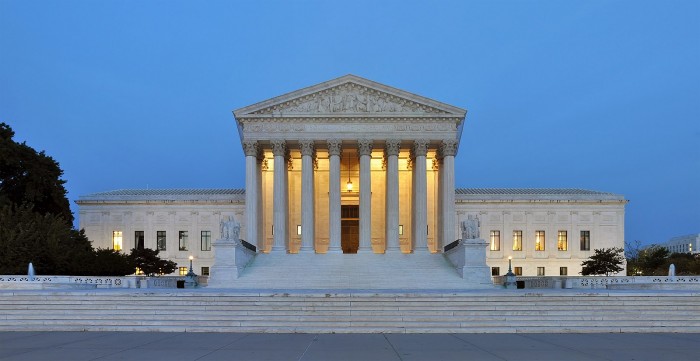
Supreme Court: No Copyright for Pure AI Art
💡Sets legal precedent for AI content ownership in US
⚡ 30-Second TL;DR
What Changed
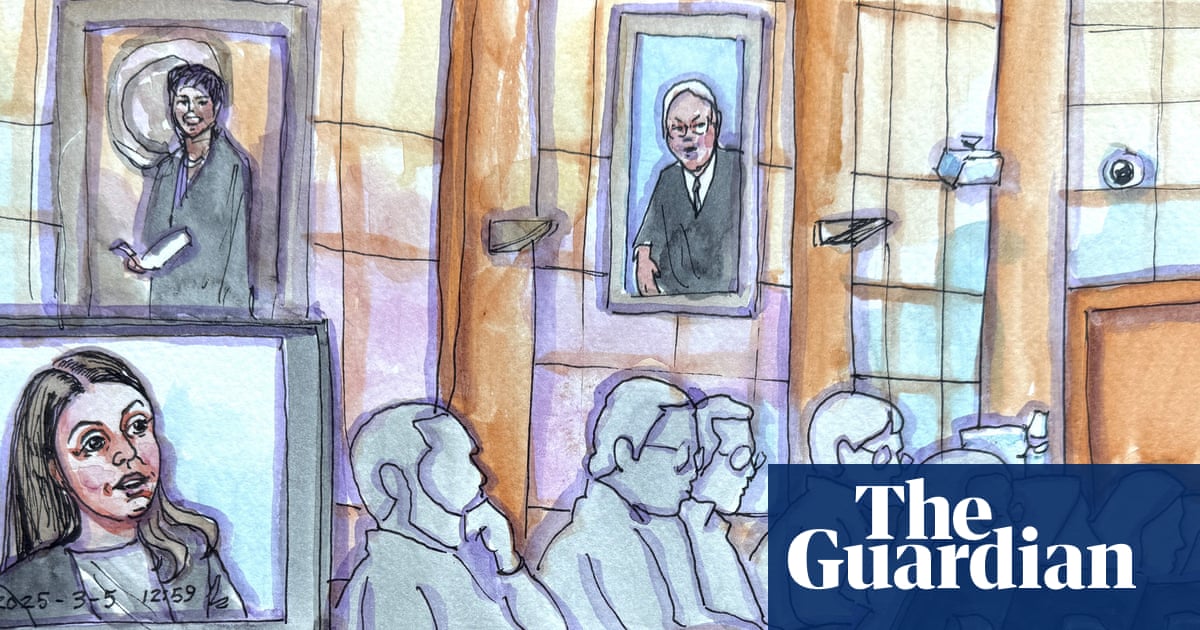
Supreme Court declines to hear AI copyright appeal
Why It Matters
AI creators must incorporate human creativity to secure copyrights. Shifts strategy for AI art businesses toward hybrid human-AI workflows.
What To Do Next
Incorporate human edits into AI outputs before USPTO copyright filing.
Key Points
- •Supreme Court declines to hear AI copyright appeal
- •Pure AI works confirmed ineligible for protection
- •Human involvement required for copyright eligibility
🧠 Deep Insight
Background and context from public sources — not the original article. 7 sources cited.
🔑 Enhanced Key Takeaways
- •The case centers on Stephen Thaler's 2018 copyright application for 'A Recent Entrance to Paradise,' a visual artwork autonomously generated by his 'Creativity Machine' AI system with no human creative input.[2][3]
- •US Copyright Office rejected the application in 2022, citing lack of human authorship; Thaler lost subsequent appeals in federal district court (2023) and US Court of Appeals for the DC Circuit (2025).[2][4]
- •Thaler also faced parallel rejections from the US Patent and Trademark Office for AI-generated inventions on similar human authorship grounds.[2]
🔮 Future ImplicationsAI analysis grounded in cited sources
⏳ Timeline
📎 Sources (7)
Factual claims are grounded in the sources below. Forward-looking analysis is AI-generated interpretation.
- law360.com — Justices Reject Appeal Over Copyright for AI Created Art
- engadget.com — The Supreme Court Doesnt Care If You Want to Copyright Your AI Generated Art 171849407
- nationaltoday.com — Supreme Court Declines to Hear Case on Copyrighting AI Generated Art
- graphicartistsguild.org — Judge Rules AI Artwork Cant Be Copyrighted
- taylorwessing.com — Once Again No Copyright Proetection for AI Generated Output
- patentlyo.com — Government Copyright Emphasizing
- courthousenews.com — Supreme Court Denies Appeal in AI Generated Art Case
Weekly AI Recap
Read this week's curated digest of top AI events →
👉Related Updates
AI-curated news aggregator. All content rights belong to original publishers.
Original source: cnBeta (Full RSS) ↗
This is a summary, not the original. Read the source, or get the weekly briefing.
Weekly AI briefing
One email a week. Unsubscribe anytime.