Suno Adds Watermarks to AI-Generated Songs
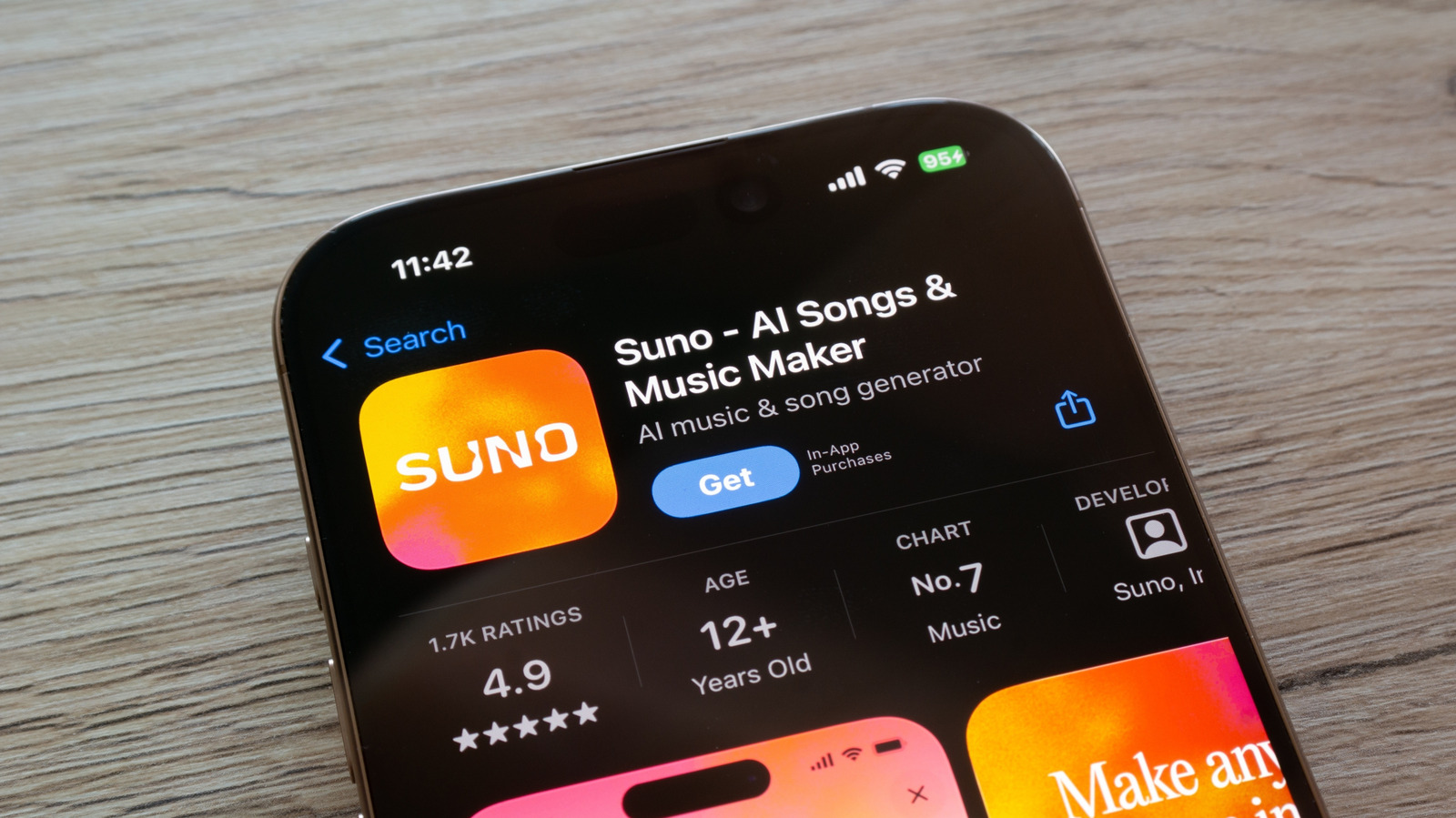
Suno’s watermark update could change how AI-generated music is identified and moderated.
30-Second TL;DR
What Changed
Suno is introducing audio watermarks for AI-generated songs.
Why It Matters
Clearer provenance could help platforms, rights holders, and listeners distinguish AI-generated music from human-created work. Developers building music workflows should consider how watermark detection may affect publishing, moderation, and attribution.
What To Do Next
Test Suno-generated tracks through your publishing and moderation pipeline to determine whether the new watermark affects audio processing or provenance checks.
Key Points
- •Suno is introducing audio watermarks for AI-generated songs.
- •The watermarks are intended to make AI-created music easier to identify.
- •The article does not specify the watermark format, detection method, or rollout timeline.
Deep Insight
AI-generated analysis for this event — not the original article.
Enhanced Key Takeaways
- •Suno's watermarking technology utilizes inaudible signal processing techniques designed to persist even after audio compression, format conversion, or analog playback.
- •The implementation of these watermarks is part of a broader industry effort to comply with emerging regulatory frameworks regarding AI transparency and copyright protection.
- •Suno has partnered with third-party forensic audio companies to ensure that the watermarks can be reliably detected by automated content moderation systems.
- •The watermarking initiative is specifically designed to combat the proliferation of deepfakes and unauthorized AI-generated content that mimics real artists' voices.
- •This feature is being integrated directly into the model's inference pipeline, ensuring that all future generations are automatically tagged without requiring user intervention.
Competitor Analysis
- Suno
- Inaudible Signal
- Udio
- Inaudible/Metadata
- Stable Audio
- Metadata-based
- Suno
- Subscription/Credits
- Udio
- Subscription/Credits
- Stable Audio
- Subscription/Credits
- Suno
- Songwriting/Vocals
- Udio
- High-Fidelity Music
- Stable Audio
- Sound Effects/Music
| Feature | Suno | Udio | Stable Audio |
|---|---|---|---|
| Watermarking | Inaudible Signal | Inaudible/Metadata | Metadata-based |
| Pricing | Subscription/Credits | Subscription/Credits | Subscription/Credits |
| Primary Focus | Songwriting/Vocals | High-Fidelity Music | Sound Effects/Music |
Technical Deep Dive
- The watermarking mechanism employs spread-spectrum steganography to embed a unique identifier within the frequency domain of the audio signal.
- The system is engineered to be robust against common signal processing attacks, including low-pass filtering, time-stretching, and MP3/AAC compression.
- Detection relies on a proprietary decoder that correlates the input audio against a reference key to extract the embedded payload.
- The watermark payload includes metadata such as the user ID, generation timestamp, and model version to facilitate provenance tracking.
Future ImplicationsAI analysis grounded in cited sources
Timeline
- 2023-12Suno launches its V3 model, significantly increasing audio quality and song length.
- 2024-05Suno releases a mobile application to expand accessibility beyond its web interface.
- 2024-06Major record labels file lawsuits against Suno and Udio alleging copyright infringement.
- 2026-08Suno officially announces the integration of inaudible watermarking technology.
Event Coverage
Weekly AI Recap
Read this week's curated digest of top AI events →
Related Updates

AI-curated news aggregator. All content rights belong to original publishers.
Original source: Engadget ↗
This is a summary, not the original. Read the source, or get the weekly briefing.
The weekly digest
One email a week. Unsubscribe anytime.