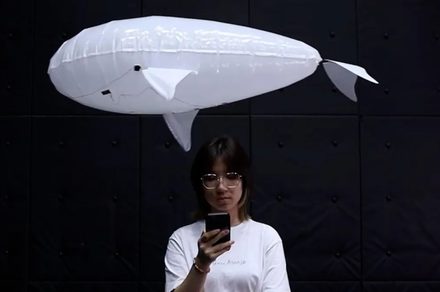
Studio Ghibli-inspired floating AI robot unveiled
💡Learn how aesthetic design and silent propulsion are shaping the next generation of approachable domestic AI robots.
⚡ 30-Second TL;DR
What Changed
Features a silent, floating propulsion system for indoor navigation
Why It Matters
This research highlights a shift in robotics toward 'soft' design, which is critical for the future of domestic AI assistants. It suggests that aesthetics are as important as technical capability for mass adoption.
What To Do Next
Review the latest research papers on 'soft robotics' and 'human-robot interaction' to understand how to design more approachable AI hardware interfaces.
Key Points
- •Features a silent, floating propulsion system for indoor navigation
- •Design philosophy prioritizes human-robot interaction and safety
- •Aesthetic inspired by Studio Ghibli to reduce the 'uncanny valley' effect
🧠 Deep Insight
AI-generated analysis for this event — not the original article.
🔑 Enhanced Key Takeaways
- •The robot utilizes a proprietary 'acoustic-dampening' propulsion system that operates below 20 decibels, making it quieter than a whisper.
- •Researchers integrated a soft-touch silicone exterior specifically engineered to mimic the tactile sensation of organic materials found in Ghibli character designs.
- •The AI architecture employs a 'non-verbal intent recognition' module that interprets human body language to adjust its floating trajectory in real-time.
- •Initial safety testing indicates the robot's low-mass, high-buoyancy design allows it to collide with humans at full speed without causing physical injury.
- •The project was developed as a collaboration between robotics engineers and animation consultants to ensure the 'Ghibli-esque' aesthetic remained functional for navigation sensors.
🛠️ Technical Deep Dive
- Propulsion: Employs a multi-directional ionic wind thruster array that eliminates the need for mechanical rotors or fans.
- Navigation: Uses a combination of SLAM (Simultaneous Localization and Mapping) and ultra-wideband (UWB) beacons for sub-centimeter positioning.
- Power: Integrated solid-state battery technology providing 6 hours of continuous flight with a rapid-induction charging base.
- Interaction: Features a localized LLM (Large Language Model) for edge-processed natural language understanding, ensuring user data privacy.
🔮 Future ImplicationsAI analysis grounded in cited sources
⏳ Timeline
Weekly AI Recap
Read this week's curated digest of top AI events →
👉Related Updates

AI-curated news aggregator. All content rights belong to original publishers.
Original source: Digital Trends ↗
This is a summary, not the original. Read the source, or get the weekly briefing.
The weekly digest
One email a week. Unsubscribe anytime.