StepFun pivots to AI-native hardware and agents
💡A strategic shift from pure model-as-a-service to vertical hardware integration for AI-native agents.
⚡ 30-Second TL;DR
What Changed
Focus on 'model, software, and hardware' integration for AI-native terminals.
Why It Matters
By vertically integrating hardware, StepFun aims to solve the 'commercial closed-loop' problem, potentially setting a new paradigm for AI-native device interaction.
What To Do Next
Evaluate the potential of integrating your LLM into a personal agent framework rather than just providing API-based coding assistance.
Key Points
- •Focus on 'model, software, and hardware' integration for AI-native terminals.
- •Personal intelligent agents are prioritized over generic coding-based commercialization.
- •Development of a proprietary AI operating system (AOS) for future hardware ecosystems.
🧠 Deep Insight
AI-generated analysis for this event — not the original article.
🔑 Enhanced Key Takeaways
- •StepFun, founded by former ByteDance AI lab head Li Lei, has transitioned from its initial focus on large language model (LLM) infrastructure to a vertical integration strategy.
- •The company's pivot is heavily influenced by the 'Step-2' model architecture, which is designed to support long-context reasoning capabilities essential for autonomous agent operations.
- •StepFun is actively pursuing partnerships with secondary-tier smartphone manufacturers to implement its AI-native OS, aiming to bypass the dominance of major incumbents.
- •The strategy includes a shift toward 'on-device' processing to address latency and privacy concerns, moving away from pure cloud-based model inference.
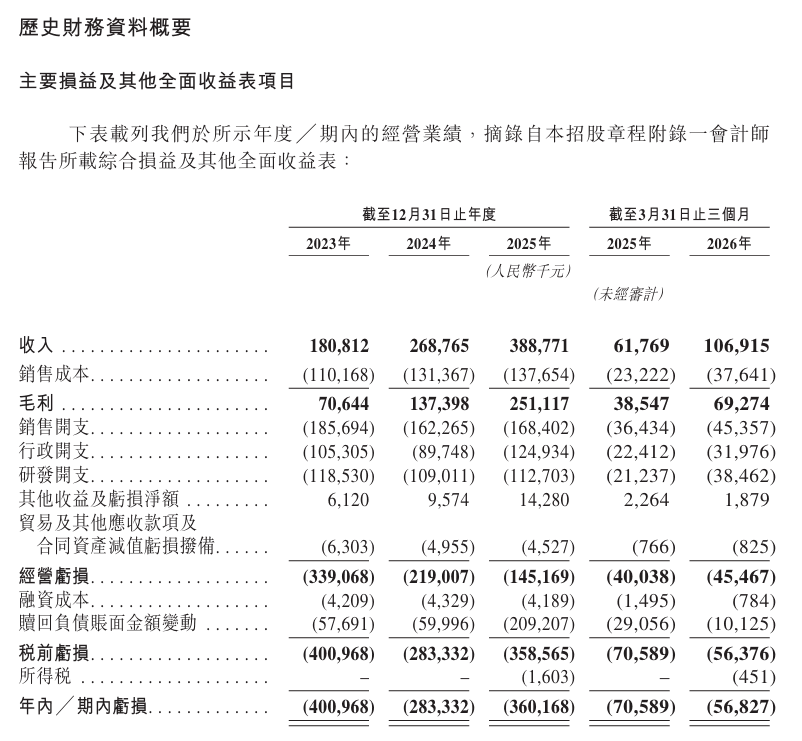
- •Financial reports indicate that StepFun has secured significant funding rounds specifically earmarked for hardware R&D and the acquisition of supply chain talent.
📊 Competitor Analysis▸ Show
| Feature | StepFun (AI-Native OS) | Apple (Apple Intelligence) | Xiaomi (HyperOS AI) |
|---|---|---|---|
| Integration | Vertical (Model-OS-Hardware) | Closed Ecosystem | Hardware-First |
| Agent Focus | Autonomous Task Execution | System-Level Assistance | Device Control |
| Model Strategy | Proprietary/Open Hybrid | Proprietary/Private Cloud | Multi-Model/On-Device |
🛠️ Technical Deep Dive
- Step-2 Architecture: Utilizes a Mixture-of-Experts (MoE) framework optimized for low-latency inference on mobile NPUs.
- AOS Kernel: A lightweight, AI-first kernel designed to prioritize agent-based task scheduling over traditional application-based resource allocation.
- Context Window: Implements dynamic memory management to maintain long-term user state across disparate applications.
- Quantization Techniques: Employs 4-bit and 8-bit weight quantization specifically tuned for mobile-grade silicon to enable on-device agent autonomy.
🔮 Future ImplicationsAI analysis grounded in cited sources
⏳ Timeline
Weekly AI Recap
Read this week's curated digest of top AI events →
👉Related Updates

AI-curated news aggregator. All content rights belong to original publishers.
Original source: 虎嗅 ↗
This is a summary, not the original. Read the source, or get the weekly briefing.
The weekly digest
One email a week. Unsubscribe anytime.