Start-ups explore new geothermal energy economics
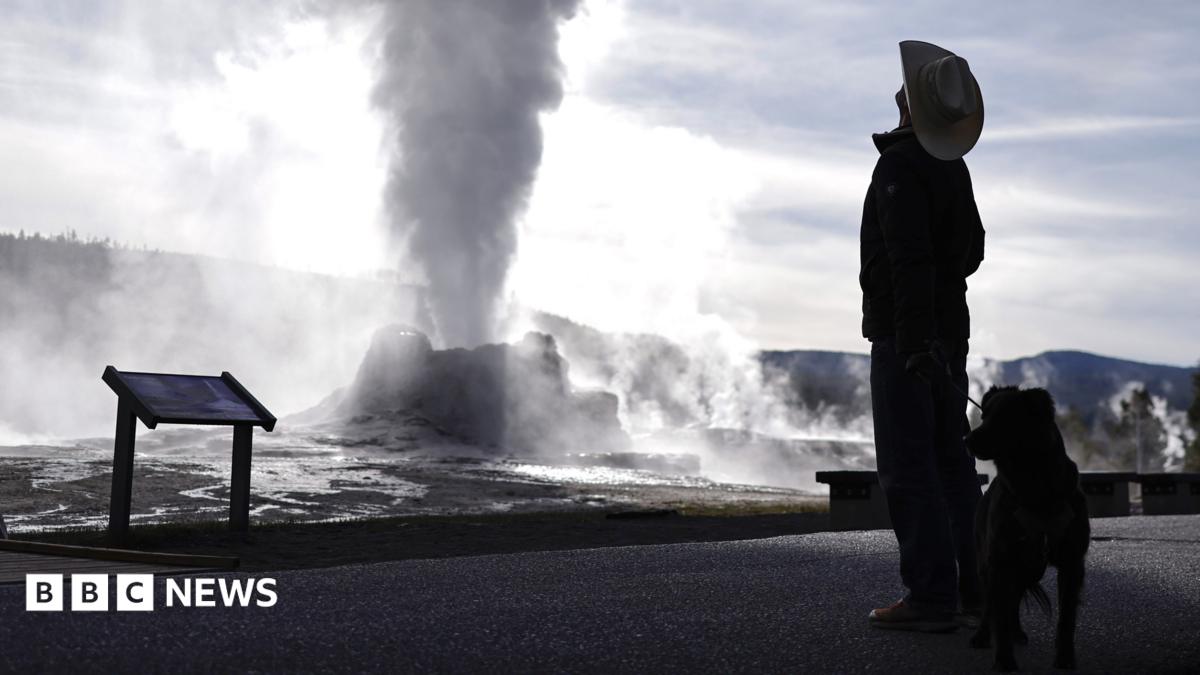
Energy-efficient infrastructure is critical for the future of large-scale AI model training.
30-Second TL;DR
What Changed
Geothermal energy is highly abundant but faces high extraction costs
Why It Matters
If successful, these innovations could provide a stable, carbon-free baseload power source for data centers and AI training clusters.
What To Do Next
Monitor geothermal energy startups for potential long-term energy partnerships to power energy-intensive AI infrastructure.
Key Points
- •Geothermal energy is highly abundant but faces high extraction costs
- •New start-ups are applying advanced drilling and thermal extraction techniques
- •Economic viability remains the primary barrier to widespread adoption
Deep Insight
AI-generated analysis for this event — not the original article.
Enhanced Key Takeaways
- •Next-generation geothermal (EGS) utilizes horizontal drilling and multi-stage hydraulic fracturing techniques adapted from the oil and gas industry to create artificial reservoirs in hot, impermeable rock.
- •Closed-loop geothermal systems, often called Advanced Geothermal Systems (AGS), circulate a working fluid through sealed underground radiators, eliminating the need for permeable rock or water injection.
- •Start-ups are increasingly leveraging millimeter-wave drilling technology, which uses high-frequency energy to vaporize rock, potentially reaching depths of 20 kilometers where temperatures are significantly higher.
- •The integration of geothermal energy with existing fossil fuel infrastructure, such as repurposing abandoned oil and gas wells, is being explored to drastically reduce initial capital expenditure.
- •Geothermal energy is gaining traction as a 'firm' renewable energy source capable of providing 24/7 baseload power, addressing the intermittency issues associated with solar and wind.
Competitor Analysis
- Enhanced Geothermal Systems (EGS)
- Hydraulic fracturing of hot rock
- Closed-Loop (AGS)
- Sealed underground heat exchangers
- Millimeter-Wave Drilling
- Vaporization via directed energy
- Enhanced Geothermal Systems (EGS)
- High (requires fluid injection)
- Closed-Loop (AGS)
- Very Low (closed system)
- Millimeter-Wave Drilling
- Negligible
- Enhanced Geothermal Systems (EGS)
- Moderate (3-5 km)
- Closed-Loop (AGS)
- Moderate (3-5 km)
- Millimeter-Wave Drilling
- Extreme (10-20 km)
- Enhanced Geothermal Systems (EGS)
- Pilot/Commercial scale
- Closed-Loop (AGS)
- Early commercial deployment
- Millimeter-Wave Drilling
- R&D / Prototype phase
| Feature | Enhanced Geothermal Systems (EGS) | Closed-Loop (AGS) | Millimeter-Wave Drilling |
|---|---|---|---|
| Primary Mechanism | Hydraulic fracturing of hot rock | Sealed underground heat exchangers | Vaporization via directed energy |
| Water Usage | High (requires fluid injection) | Very Low (closed system) | Negligible |
| Depth Capability | Moderate (3-5 km) | Moderate (3-5 km) | Extreme (10-20 km) |
| Economic Status | Pilot/Commercial scale | Early commercial deployment | R&D / Prototype phase |
Technical Deep Dive
- EGS utilizes hydraulic stimulation to increase permeability in hot dry rock formations, allowing fluid to circulate and extract thermal energy.
- AGS designs employ downhole heat exchangers where a working fluid (often supercritical CO2 or water) travels through a closed loop of pipes, absorbing heat via conduction from the surrounding rock.
- Millimeter-wave drilling systems utilize gyrotrons to generate high-power electromagnetic radiation, which spalls or melts rock, enabling faster penetration rates in hard crystalline basement rock.
- Supercritical CO2 is being tested as a working fluid in closed-loop systems due to its superior heat transfer properties and lower viscosity compared to water.
Future ImplicationsAI analysis grounded in cited sources
Timeline
- 2021-06Major funding rounds for EGS start-ups signal shift toward commercialization.
- 2023-04First successful pilot of closed-loop geothermal system in a commercial setting.
- 2024-11DOE announces increased grant allocations for deep-drilling geothermal technology.
- 2025-08Successful demonstration of millimeter-wave drilling in hard rock environments.
Weekly AI Recap
Read this week's curated digest of top AI events →
Related Updates

AI-curated news aggregator. All content rights belong to original publishers.
Original source: BBC Technology ↗
This is a summary, not the original. Read the source, or get the weekly briefing.
The weekly digest
One email a week. Unsubscribe anytime.