SpaceX Plans Mars Colonization with Tesla Optimus Robots
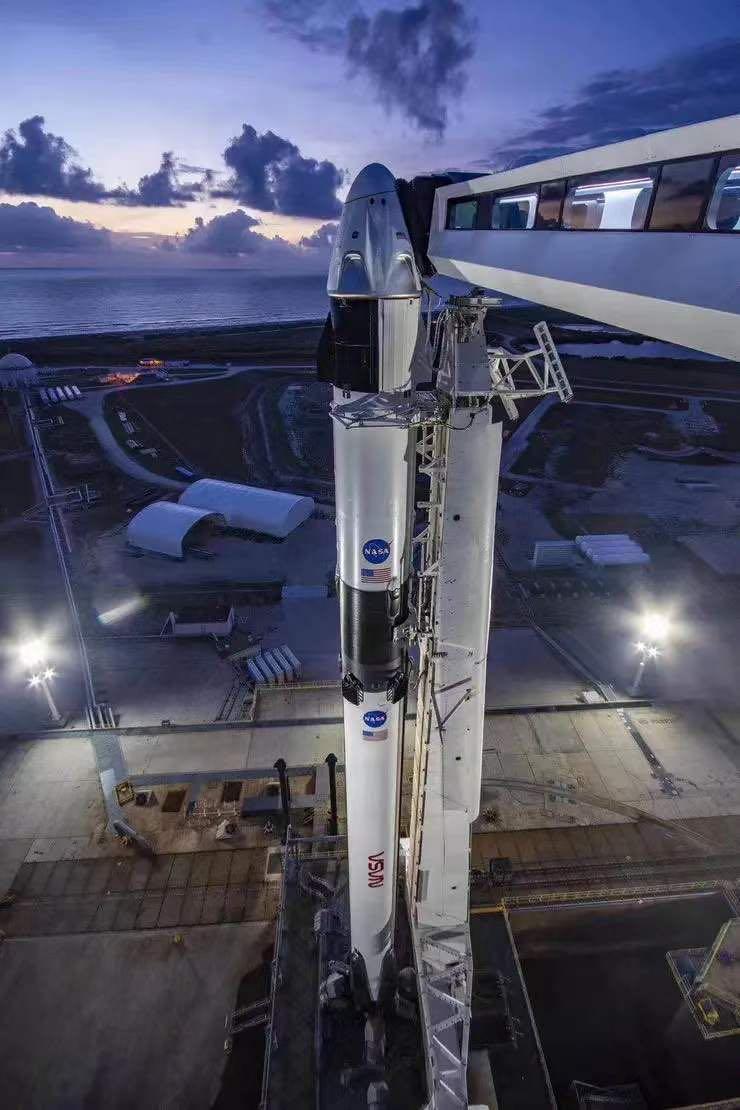
💡A major leap for embodied AI: Tesla's Optimus robots are being deployed for autonomous construction on Mars.
⚡ 30-Second TL;DR
What Changed
SpaceX targets late 2026 for initial lunar and Martian supply launches.
Why It Matters
This marks a significant milestone for embodied AI, moving robotics from controlled factory floors to extreme, unstructured extraterrestrial environments.
What To Do Next
Study the latest research on autonomous robotics in unstructured environments to prepare for future embodied AI deployment scenarios.
Key Points
- •SpaceX targets late 2026 for initial lunar and Martian supply launches.
- •Tesla Optimus robots will perform autonomous construction tasks in space.
- •This strategy leverages embodied AI for high-risk, remote infrastructure development.
🧠 Deep Insight
AI-generated analysis for this event — not the original article.
🔑 Enhanced Key Takeaways
- •The integration of Optimus into SpaceX missions relies on the 'FSD' (Full Self-Driving) computer architecture, adapted for non-terrestrial navigation and object manipulation in low-gravity environments.
- •SpaceX has reportedly developed a specialized 'Starship-Optimus' interface module, allowing the robots to recharge directly from the Starship power grid during transit.
- •NASA and SpaceX have entered into a public-private partnership framework specifically for 'autonomous robotic site preparation,' which precedes human-rated landing missions.
- •The Optimus units deployed for these missions feature a radiation-hardened chassis and specialized actuators designed to operate in extreme thermal cycling conditions found on the Martian surface.
- •Tesla has transitioned the Optimus production line to a 'Space-Grade' variant, incorporating redundant sensor suites to mitigate the lack of GPS and high-latency communication with Earth.
📊 Competitor Analysis▸ Show
| Feature | Tesla Optimus (SpaceX) | Boston Dynamics (Atlas) | Figure AI (Figure 02) |
|---|---|---|---|
| Primary Focus | Autonomous Infrastructure | Research & Logistics | Commercial/Industrial |
| Space Readiness | High (Integrated) | Low (Experimental) | Low (Experimental) |
| Control System | End-to-End Neural Net | Hybrid Control | Neural Foundation Model |
🛠️ Technical Deep Dive
- Architecture: Utilizes a custom Tesla-designed SoC (System on Chip) optimized for real-time spatial mapping and object recognition.
- Actuation: Employs high-torque, planetary gear actuators with integrated force-torque sensors for precision manipulation in pressurized and vacuum environments.
- Power Management: Features a 2.3kWh battery pack with thermal management systems capable of maintaining operational temperature in sub-zero Martian conditions.
- Communication: Implements a multi-modal link using Starlink-compatible hardware for low-latency command relay during proximity operations.
🔮 Future ImplicationsAI analysis grounded in cited sources
⏳ Timeline
Weekly AI Recap
Read this week's curated digest of top AI events →
👉Related Updates

AI-curated news aggregator. All content rights belong to original publishers.
Original source: cnBeta (Full RSS) ↗
This is a summary, not the original. Read the source, or get the weekly briefing.
The weekly digest
One email a week. Unsubscribe anytime.