SpaceX Plans NVIDIA GPUs for Solar-Powered Space AI
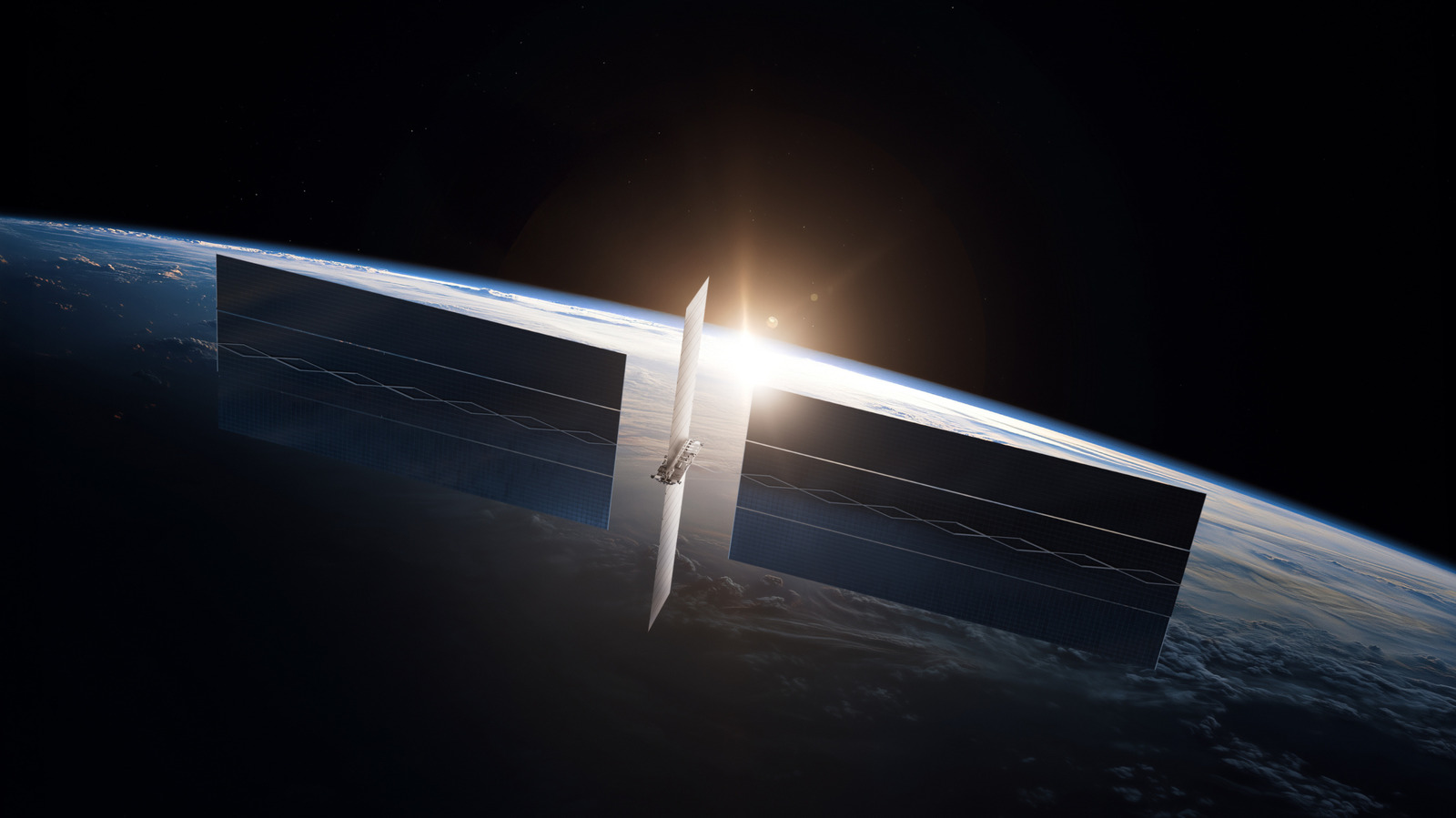
💡SpaceX’s plan links solar power, NVIDIA GPUs, and the harsh realities of space-based AI.
⚡ 30-Second TL;DR
What Changed
SpaceX plans to use NVIDIA GPUs for the Starmind project.
Why It Matters
If successful, the project could expand AI infrastructure beyond conventional terrestrial data centers and connect space-based power generation with accelerated computing. Its feasibility will depend on power availability, thermal management, radiation tolerance, and communications constraints.
What To Do Next
Model a Starmind-like deployment using NVIDIA’s target GPU specifications, including power, thermal, radiation, and bandwidth constraints, before estimating its AI throughput.
Key Points
- •SpaceX plans to use NVIDIA GPUs for the Starmind project.
- •The project aims to harness solar energy for AI workloads.
- •Operating GPU-based AI systems in space will involve environmental and infrastructure challenges.
🧠 Deep Insight
Background and context from public sources — not the original article. 10 sources cited.
🔑 Enhanced Key Takeaways
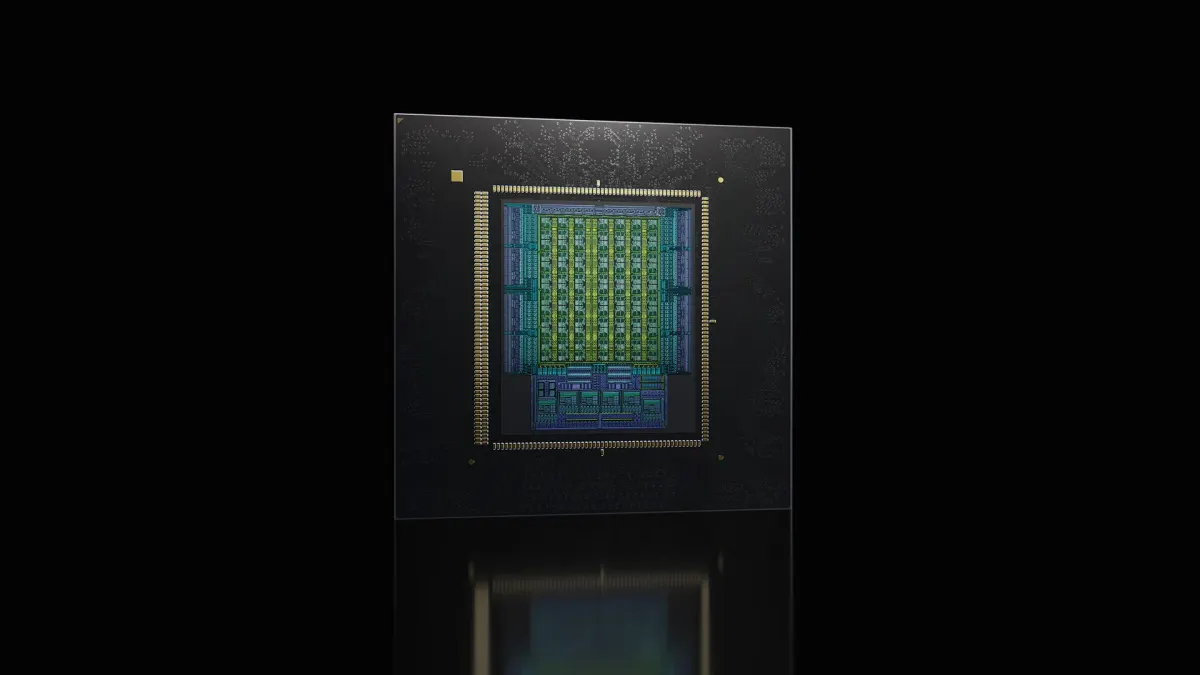
- •SpaceX has formalized an exclusive partnership with NVIDIA, utilizing the Vera CPU and Rubin GPU architectures for the Starmind orbital infrastructure.
- •The Starmind AI1 satellite design is based on a space-hardened adaptation of the NVIDIA NVL72 rack-scale system, integrating 72 GPUs and 36 CPUs per unit.
- •SpaceX has filed an FCC application seeking authorization to deploy a massive constellation of up to 1 million satellites to facilitate these orbital data centers.
- •The system is designed to process AI workloads, including Grok and agentic AI, in orbit, transmitting only processed results to Earth via Starlink laser links to conserve bandwidth.
- •Each AI1 satellite unit is engineered to handle 120 kilowatts of continuous computing power, leveraging the vacuum of space for thermal management.
🛠️ Technical Deep Dive
- Hardware Architecture: Utilizes the NVIDIA Vera Rubin NVL72 rack-scale system.
- Processor Specs: The Vera CPU features 88 Olympus cores, delivering 1.8x performance over traditional x86 architectures.
- Power Capacity: Each unit supports 120kW nominal and 150kW peak power consumption.
- Connectivity: Employs Starlink laser links for high-speed, low-latency data transmission between orbital nodes and terrestrial stations.
- Thermal Management: Leverages the vacuum of space for passive and active cooling of high-density GPU racks.
🔮 Future ImplicationsAI analysis grounded in cited sources
⏳ Timeline
📎 Sources (10)
Factual claims are grounded in the sources below. Forward-looking analysis is AI-generated interpretation.
Weekly AI Recap
Read this week's curated digest of top AI events →
👉Related Updates

AI-curated news aggregator. All content rights belong to original publishers.
Original source: Engadget ↗
This is a summary, not the original. Read the source, or get the weekly briefing.
Weekly AI briefing
One email a week. Unsubscribe anytime.