SpaceX Falcon 9 rocket stage to impact the Moon
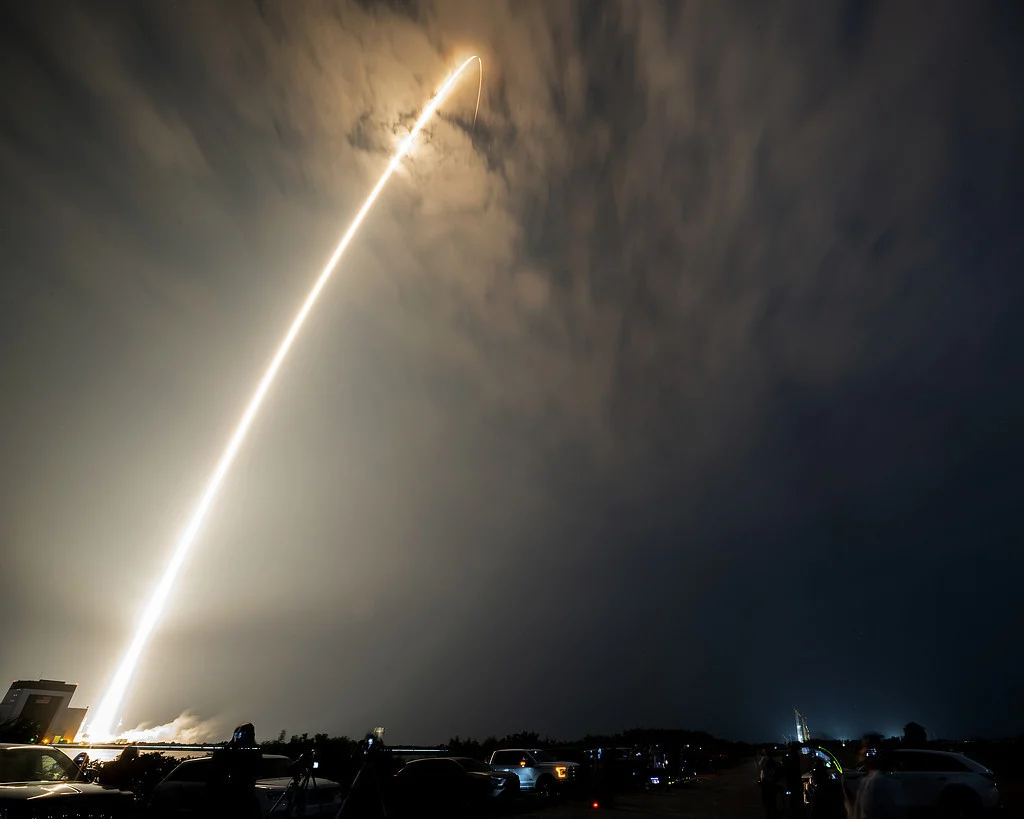
Rare real-world impact data that can refine autonomous navigation and landing models for lunar AI robotics.
30-Second TL;DR
What Changed
Falcon 9 second-stage debris to hit Moon on August 5
Why It Matters
The event provides a unique opportunity to study lunar surface dynamics and impact physics, which are critical for autonomous lunar landing and navigation AI systems.
What To Do Next
Review lunar surface simulation datasets to see if they incorporate impact physics from real-world celestial collisions.
Key Points
- •Falcon 9 second-stage debris to hit Moon on August 5
- •Impact expected to generate observable ejecta plume
- •Data will support future lunar exploration and impact research
Deep Insight
AI-generated analysis for this event — not the original article.
Enhanced Key Takeaways
- •The object in question is identified as the second stage of the Falcon 9 rocket that launched the Deep Space Climate Observatory (DSCOVR) mission in February 2015.
- •The impact occurred at the Moon's far side, specifically within the Hertzsprung crater, making direct observation by Earth-based telescopes impossible at the moment of impact.
- •Initial misidentification by some observers led to the object being incorrectly labeled as a Chinese Long March 3C rocket body before later corrections confirmed it was SpaceX hardware.
- •The impact velocity was estimated to be approximately 2.58 kilometers per second (about 5,770 mph), which is sufficient to create a crater several meters in diameter.
- •NASA's Lunar Reconnaissance Orbiter (LRO) was tasked with imaging the impact site post-event to study the crater's morphology and the underlying lunar regolith.
Technical Deep Dive
- Rocket Stage: SpaceX Falcon 9 v1.1 second stage.
- Mission Origin: DSCOVR (Deep Space Climate Observatory), launched Feb 11, 2015.
- Mass: Approximately 4 metric tons (dry mass).
- Impact Location: Hertzsprung crater, lunar far side (approx. 5.18°N, 244.5°E).
- Kinetic Energy: Estimated at roughly 13 gigajoules based on mass and velocity.
Future ImplicationsAI analysis grounded in cited sources
Timeline
- 2015-02Falcon 9 launches the DSCOVR mission from Cape Canaveral.
- 2022-01Astronomers identify the abandoned rocket stage on a collision course with the Moon.
- 2022-03The Falcon 9 second stage impacts the lunar far side.
- 2022-06NASA's Lunar Reconnaissance Orbiter captures images of the resulting double-lobed crater.
Weekly AI Recap
Read this week's curated digest of top AI events →
Related Updates

AI-curated news aggregator. All content rights belong to original publishers.
Original source: cnBeta (Full RSS) ↗
This is a summary, not the original. Read the source, or get the weekly briefing.
The weekly digest
One email a week. Unsubscribe anytime.