Soviet Chip Push: Spies, Reverse Eng, Ultimate Failure
Soviet chip flops show why ecosystem > hardware for AI semis
30-Second TL;DR
What Changed
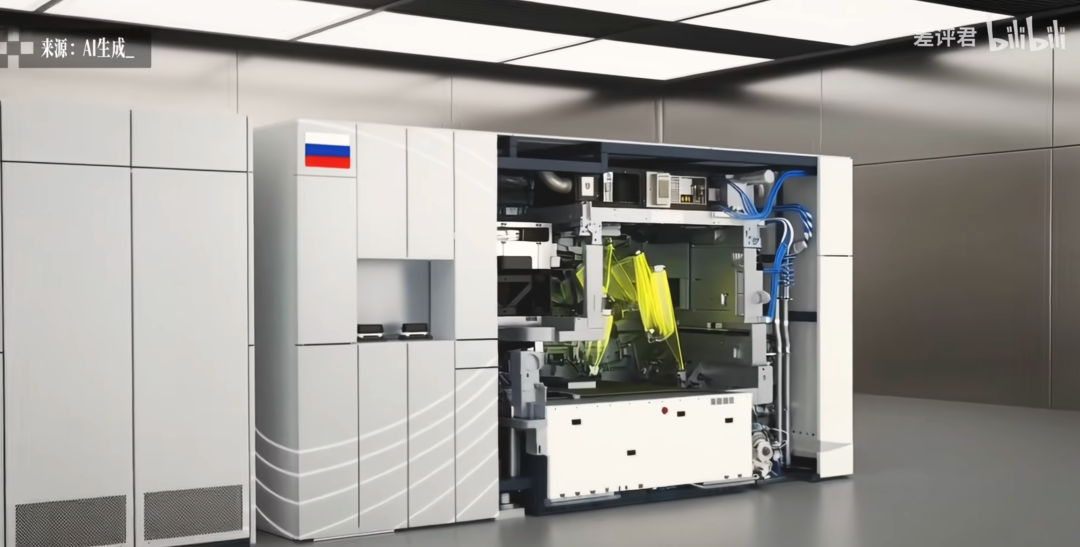
350nm lithography machine added to Russia's national system
Why It Matters
Reveals ecosystem gaps in chip tech beyond hardware, informing current AI semiconductor geopolitics and self-reliance strategies.
What To Do Next
Study Planar’s legacy docs for insights on scaling lithography in AI chip prototyping.
Key Points
- •350nm lithography machine added to Russia's national system
- •Joint development by Russia's ZNTC and Belarus's Planar
- •Capable of 90nm chip production from Soviet-era tech
- •Soviet tactics included spies, reverse engineering, full national effort
- •Analysis of reasons behind Soviet semiconductor shortcomings
Deep Insight
AI-generated analysis for this event — not the original article.
Enhanced Key Takeaways
- •The 350nm lithography machine is part of a broader Russian state-funded initiative, 'Project Lithography,' aimed at achieving technological sovereignty following severe Western sanctions that cut off access to advanced EUV and DUV equipment.
- •Planar, a Belarusian state-owned enterprise, has historically specialized in photolithography equipment for the Soviet military-industrial complex, and this collaboration represents a revival of specialized optics and precision engineering capabilities that had largely atrophied since the 1990s.
- •Industry analysts note that while 90nm production is sufficient for certain legacy military and industrial control systems, it remains significantly behind the global state-of-the-art, which has moved toward 2nm and 3nm nodes, limiting the machine's utility for modern consumer electronics or high-performance computing.
Technical Deep Dive
- The machine utilizes a g-line (436 nm) or i-line (365 nm) mercury lamp light source, which is standard for older lithography systems but lacks the resolution required for sub-90nm features.
- The 350nm designation refers to the resolution limit of the optical system, while the 90nm capability is achieved through advanced process integration and multi-patterning techniques.
- The system relies on traditional refractive optics rather than the reflective EUV (Extreme Ultraviolet) optics used in modern ASML machines, making it significantly larger and less efficient in terms of throughput.
Future ImplicationsAI analysis grounded in cited sources
Timeline
- 2022-03Western sanctions lead to a total ban on the export of advanced semiconductor manufacturing equipment to Russia.
- 2023-05Russian Ministry of Industry and Trade announces the 'Project Lithography' initiative to develop domestic manufacturing tools.
- 2024-11ZNTC and Planar announce the successful testing of a prototype lithography system capable of 350nm resolution.
- 2026-04Official integration of the 350nm lithography machine into the Russian national industrial production framework.
Weekly AI Recap
Read this week's curated digest of top AI events →
Related Updates


AI-curated news aggregator. All content rights belong to original publishers.
Original source: cnBeta (Full RSS) ↗
This is a summary, not the original. Read the source, or get the weekly briefing.
The weekly digest
One email a week. Unsubscribe anytime.