Apple Eyes Intel, Samsung for US Chips
💡Apple's chip diversification boosts US AI hardware resilience vs TSMC risks
⚡ 30-Second TL;DR
What Changed
Apple holding discussions with Intel Corp.
Why It Matters
Diversifying from TSMC reduces geopolitical risks for Apple's supply chain, potentially stabilizing hardware for on-device AI. AI practitioners may see varied performance in future Apple Silicon due to different fabs.
What To Do Next
Benchmark your Core ML models on current Apple Silicon to anticipate fab shifts.
Key Points
- •Apple holding discussions with Intel Corp.
- •Samsung Electronics eyed for main processor production
- •US-based manufacturing as TSMC alternative
- •Focus on chips for core Apple devices
🧠 Deep Insight
AI-generated analysis for this event.
🔑 Enhanced Key Takeaways
- •The push for US-based production is heavily influenced by the CHIPS and Science Act, which provides federal subsidies to incentivize domestic semiconductor manufacturing and reduce reliance on East Asian supply chains.
- •Apple's strategy involves utilizing Intel Foundry Services (IFS) and Samsung's Taylor, Texas facility, both of which are currently scaling up advanced node capabilities (sub-3nm) to compete with TSMC's Arizona expansion.
- •Technical hurdles remain significant, as Apple's proprietary silicon designs are highly optimized for TSMC's specific process technology (N3/N2 families), requiring substantial re-engineering for Intel's '18A' or Samsung's 'SF2' processes.
📊 Competitor Analysis▸ Show
| Feature | TSMC (Current) | Intel Foundry (Target) | Samsung Foundry (Target) |
|---|---|---|---|
| Primary Node | N3E / N2 | 18A (Angstrom) | SF2 (2nm) |
| US Presence | Arizona (Fab 21) | Ohio/Arizona | Taylor, Texas |
| Apple Integration | Native / Deep | Requires Porting | Requires Porting |
🛠️ Technical Deep Dive
- Process Node Compatibility: Apple's A-series and M-series chips utilize TSMC's FinFET and GAA (Gate-All-Around) variants. Transitioning to Intel's 18A requires adapting to RibbonFET (GAA) and PowerVia (backside power delivery) architectures.
- Packaging Constraints: Apple relies on TSMC's CoWoS (Chip-on-Wafer-on-Substrate) and InFO (Integrated Fan-Out) advanced packaging. Intel's Foveros and Samsung's I-Cube/X-Cube technologies are functional equivalents but require different thermal and signal integrity validation for Apple's high-performance silicon.
- Design Portability: Apple's EDA (Electronic Design Automation) workflows are currently tuned for TSMC's PDKs (Process Design Kits). Migrating to Intel or Samsung requires a complete overhaul of physical design implementation and timing closure scripts.
🔮 Future ImplicationsAI analysis grounded in cited sources
⏳ Timeline
Weekly AI Recap
Read this week's curated digest of top AI events →
👉Related Updates
Same topic
Explore #semiconductors
Same product
More on apple-device-processors
Same source
Latest from Bloomberg Technology

Amazon CEO: Compute Demand to Outstrip Supply Through 2028
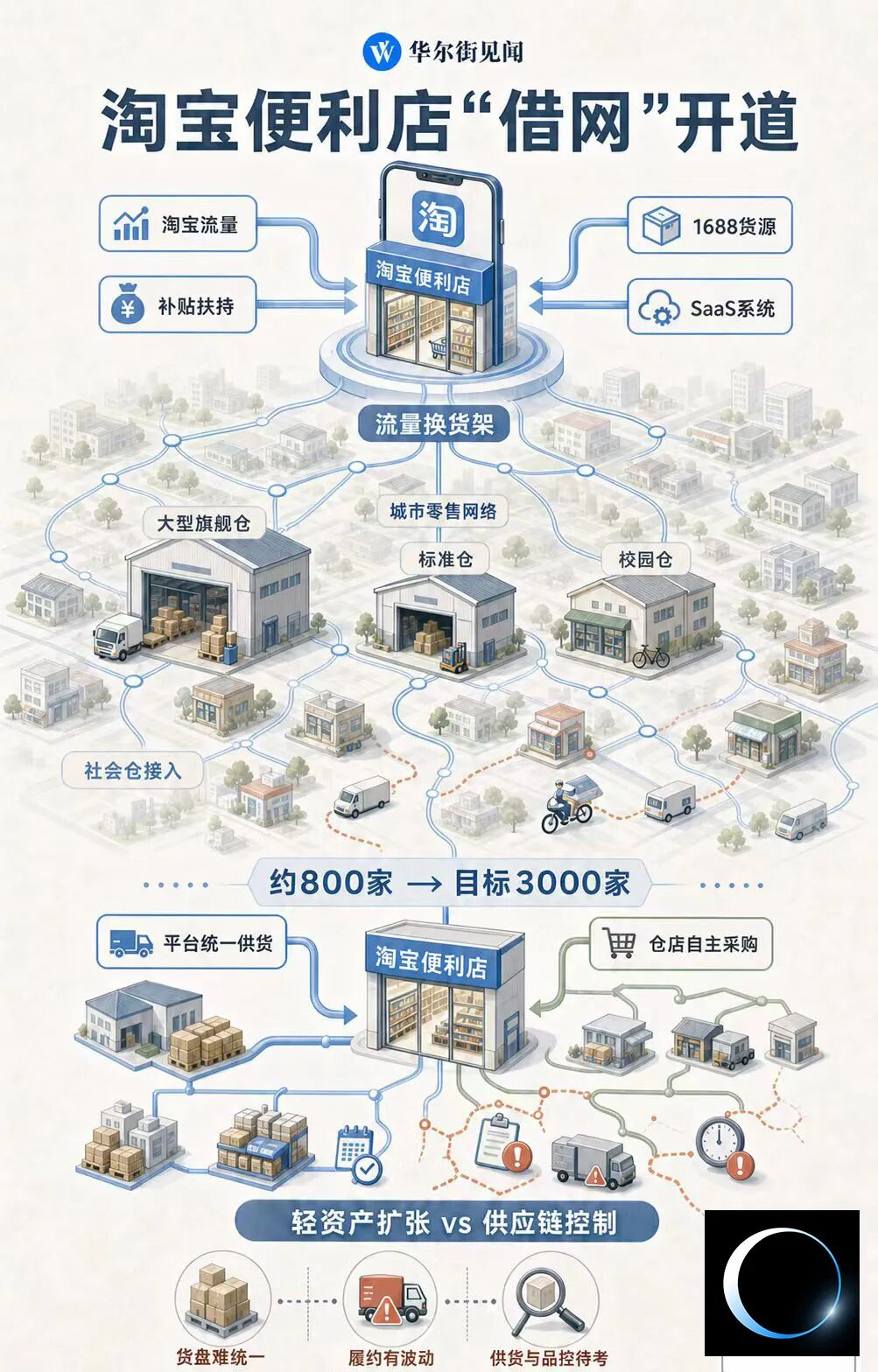
Taobao expands instant retail 'Convenience Store' network
Korea to Inject $14B into AI and Data Infrastructure
Anthropic AI Models Accidentally Hacked Three Organizations During Testing
AI-curated news aggregator. All content rights belong to original publishers.
Original source: Bloomberg Technology ↗