Sony Austria Factory Pivots to Micro-lenses
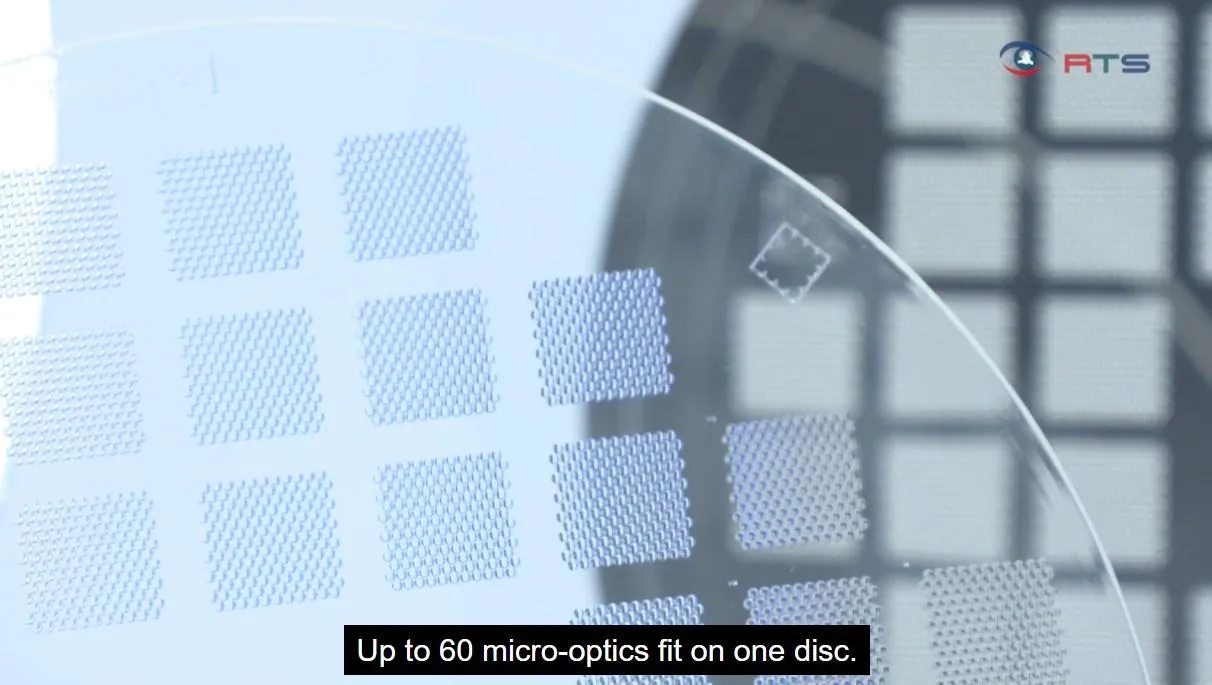
💡Sony's shift to micro-lenses signals potential hardware supply chain changes for future spatial computing and AI sensors
⚡ 30-Second TL;DR
What Changed
Sony DADC Thalgau factory shifting from discs to micro-lenses
Why It Matters
The pivot to micro-lenses suggests Sony is strengthening its supply chain for advanced optical components, which are critical for future AR/VR and sensor-based AI hardware.
What To Do Next
Investigate micro-lens technology specs if you are developing hardware for spatial computing or computer vision applications.
Key Points
- •Sony DADC Thalgau factory shifting from discs to micro-lenses
- •Optical disc production volume expected to drop by 90% by 2028
- •300 employees undergoing retraining for high-precision optical manufacturing
🧠 Deep Insight
AI-generated analysis for this event — not the original article.
🔑 Enhanced Key Takeaways
- •The Thalgau facility, operated by Sony DADC (Digital Audio Disc Corporation), has historically served as a primary manufacturing hub for PlayStation physical media, including Blu-ray discs for PS4 and PS5.
- •The transition to micro-lenses is part of Sony's broader 'Green Management 2025' initiative, aiming to reduce environmental impact by repurposing existing industrial infrastructure rather than decommissioning sites.
- •Micro-lenses produced at the facility are intended for integration into Sony's next-generation AR/VR headsets and high-end automotive sensor arrays, moving the company into the high-growth photonics market.
- •The retraining program for the 300 employees is being conducted in partnership with local Austrian technical universities to certify staff in cleanroom operations and nanophotonic manufacturing processes.
- •Sony DADC's pivot signifies the end of an era for the Thalgau plant, which was established in 1987 and became one of the largest optical disc manufacturing sites in Europe.
🛠️ Technical Deep Dive
- The new production line utilizes nano-imprint lithography (NIL) technology to mass-produce micro-lens arrays with sub-micron precision.
- The manufacturing process involves high-precision injection molding of specialized optical polymers capable of maintaining refractive index stability under extreme thermal conditions.
- The facility is being upgraded to ISO Class 5 cleanroom standards to accommodate the sensitivity requirements of semiconductor-grade optical component fabrication.
🔮 Future ImplicationsAI analysis grounded in cited sources
⏳ Timeline
Weekly AI Recap
Read this week's curated digest of top AI events →
👉Related Updates



AI-curated news aggregator. All content rights belong to original publishers.
Original source: cnBeta (Full RSS) ↗
This is a summary, not the original. Read the source, or get the weekly briefing.
Weekly AI briefing
One email a week. Unsubscribe anytime.