Solar storms pose critical risks to global tech infrastructure
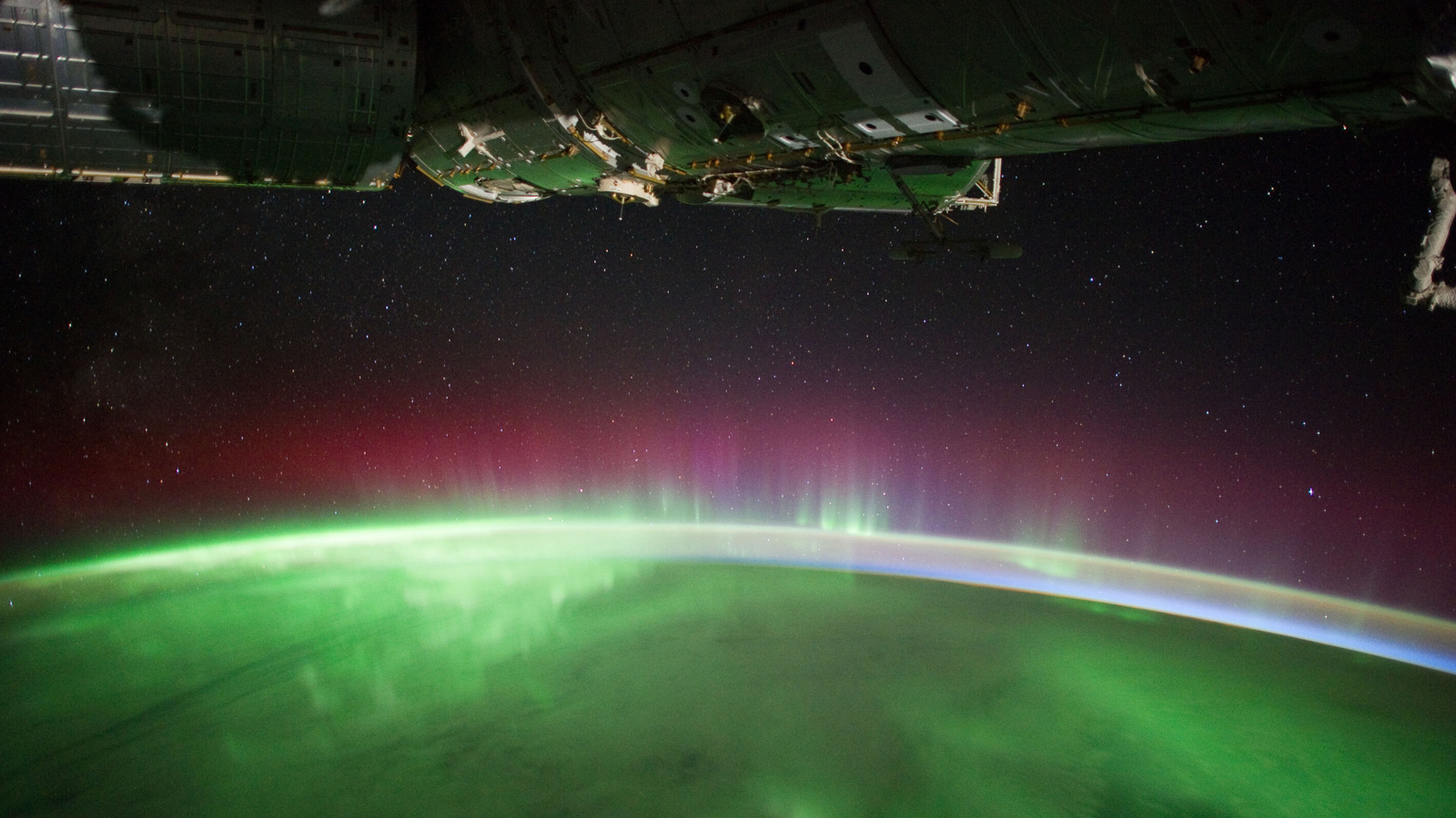
Understand the physical vulnerabilities of your AI infrastructure to space weather and geomagnetic interference.
30-Second TL;DR
What Changed
Geomagnetic storms can induce currents that damage power grid transformers.
Why It Matters
Extreme space weather could lead to widespread service outages, affecting cloud availability and data integrity. AI infrastructure providers should evaluate their physical redundancy and disaster recovery protocols.
What To Do Next
Review your cloud provider's regional disaster recovery and physical infrastructure resilience documentation for geomagnetic event mitigation.
Key Points
- •Geomagnetic storms can induce currents that damage power grid transformers.
- •Satellite-based communication and GPS systems are highly vulnerable to solar interference.
- •Data centers and cloud infrastructure face potential downtime during extreme space weather events.
Deep Insight
AI-generated analysis for this event — not the original article.
Enhanced Key Takeaways
- •The Carrington Event of 1859 remains the benchmark for extreme space weather, with modern estimates suggesting a similar event today could cause trillions of dollars in economic damage.
- •Geomagnetically Induced Currents (GICs) primarily threaten long-distance transmission lines and high-voltage transformers by causing core saturation and overheating.
- •The Dst (Disturbance Storm Time) index is the primary metric used by space weather forecasters to measure the intensity of geomagnetic storms in nanoteslas.
- •Modern mitigation strategies include the deployment of GIC-blocking capacitors and the implementation of 'load shedding' protocols by grid operators during peak solar activity.
- •Space weather impacts are exacerbated by the current solar cycle (Solar Cycle 25), which has consistently exceeded initial predictions for sunspot activity and flare frequency.
Technical Deep Dive
- Geomagnetic storms induce electric fields in the Earth's crust, typically measured in V/km (volts per kilometer), which drive currents into grounded infrastructure.
- Transformers are susceptible to half-cycle saturation, leading to increased reactive power consumption, harmonic distortion, and potential permanent thermal damage to windings.
- Satellite drag increases during solar maximums due to thermospheric expansion, requiring more frequent station-keeping maneuvers and shortening the operational lifespan of Low Earth Orbit (LEO) assets.
- Ionospheric scintillation caused by solar radiation disrupts L-band and GPS signals, significantly degrading positioning accuracy and timing synchronization for financial and telecommunications networks.
Future ImplicationsAI analysis grounded in cited sources
Timeline
- 1859-09The Carrington Event, the most intense geomagnetic storm on record, causes global telegraph system failures.
- 1989-03A severe geomagnetic storm causes a total collapse of the Hydro-Québec power grid, leaving millions without electricity.
- 2003-10The 'Halloween Solar Storms' cause widespread satellite anomalies and power outages in parts of Sweden.
- 2022-02A geomagnetic storm destroys 40 SpaceX Starlink satellites shortly after launch due to increased atmospheric drag.
- 2024-05The strongest geomagnetic storm in two decades reaches G5 levels, causing widespread auroras and minor power grid fluctuations.
Weekly AI Recap
Read this week's curated digest of top AI events →
Related Updates

AI-curated news aggregator. All content rights belong to original publishers.
Original source: Engadget ↗
This is a summary, not the original. Read the source, or get the weekly briefing.
The weekly digest
One email a week. Unsubscribe anytime.